
Mold and Allergies: What Homeowners Should Know – Real Risks, Not Fear Tactics for Homes in North Lauderdale
Let’s get one thing straight right away. Mold doesn’t need scary headlines or doom-and-gloom marketing to cause real problems. I’ve inspected plenty of homes in North Lauderdale, and the truth sits somewhere between “mold will ruin your life” and “mold is totally harmless.” Spoiler alert: both extremes miss the point.
If you or someone in your home deals with allergies, mold deserves your attention—but not your panic. Let’s talk about what actually matters, based on real inspections and real symptoms, not fear tactics designed to sell you something you don’t need.
Mold and Allergies: What’s the Real Connection?
Mold releases spores into the air. That part stays simple. When people breathe those spores in, some react and some don’t.
Here’s where things get misunderstood. Mold doesn’t affect everyone the same way, and not all mold causes allergic reactions. Genetics, immune systems, and existing respiratory conditions all play a role.
In inspections, I often see families blaming every sniffle on mold while ignoring other indoor air quality issues like dust, pet dander, or dirty ductwork.
Common Allergy Symptoms Linked to Mold Exposure
Symptoms That Actually Show Up in Homes
When mold contributes to allergy symptoms, the signs tend to repeat consistently. I hear homeowners describe the same complaints over and over.
Common mold-related allergy symptoms include:
- Sneezing and nasal congestion
- Itchy or watery eyes
- Persistent coughing
- Skin irritation
- Worsening asthma symptoms
If symptoms improve when you leave the house and return when you come back, that pattern matters.
Symptoms Mold Usually Doesn’t Cause Alone
Mold doesn’t typically cause sudden fevers, severe body aches, or flu-like symptoms by itself. When I hear those concerns, I usually suggest homeowners talk to a medical professional instead of assuming mold plays the villain.
Mold contributes to discomfort, not mystery illnesses. That distinction matters.
Why North Lauderdale Homes Face Higher Mold Allergy Risks
Humidity Creates the Perfect Setup
South Florida humidity doesn’t take days off. Warm, moist air hangs around almost year-round, and mold loves that consistency.
Homes in North Lauderdale often deal with:
- High indoor humidity
- Condensation on vents
- Moisture inside duct systems
- Damp bathrooms and laundry rooms
When moisture sticks around, mold gets comfortable.
Tight Homes, Poor Airflow
Many newer or renovated homes seal tightly for energy efficiency. That helps utility bills but traps moisture and allergens inside.
Without proper ventilation and clean ducts, mold spores circulate instead of escaping.
Where Mold Hides That Homeowners Miss
Inside HVAC and Duct Systems
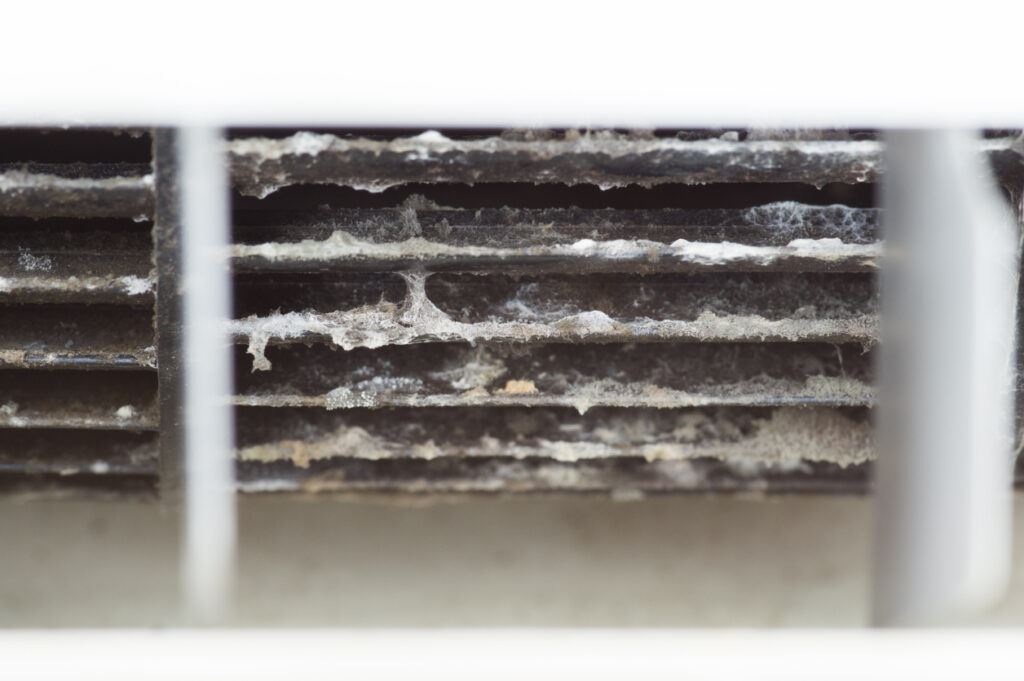
I find mold inside air handlers and ductwork more often than homeowners expect. Condensation forms naturally in cooling systems, and without regular maintenance, moisture stays put.
Once mold grows inside ducts, the system distributes spores throughout the house. That exposure adds up over time.
Bathrooms and Laundry Areas
Bathrooms without proper exhaust fans trap steam. Laundry rooms with poor airflow trap moisture from washers and dryers.
These areas often grow mold behind walls or under flooring long before anyone spots visible growth.
Behind Walls and Under Flooring
Slow plumbing leaks feed mold quietly. Drywall absorbs moisture easily, and mold spreads inside wall cavities without visible warning signs.
By the time stains appear, mold already establishes itself.
Mold Types and Allergies: Clearing Up Confusion
Not All Mold Triggers Allergies
This part surprises homeowners. Some mold species trigger strong allergic reactions, while others barely cause symptoms at all.
The problem isn’t just the type of mold. The amount of mold and length of exposure matter more.
A small amount of mold in a hidden area rarely causes severe symptoms. Widespread growth combined with airflow issues causes trouble.
“Black Mold” Isn’t the Whole Story
People fixate on black mold, but color alone means nothing. I’ve seen green, white, and gray molds cause just as many issues when conditions allow growth.
Fear-based marketing loves dramatic labels. Real inspections focus on moisture, spread, and exposure.
How Dirty Air Ducts Make Allergies Worse
Mold, Dust, and Allergens Team Up
Dirty ducts don’t just hold mold. They trap dust, pollen, pet dander, and debris. When moisture enters the mix, mold spores join the party.
Every time the system runs, it pushes allergens through living spaces. Allergy symptoms stick around longer than they should.
Why Cleaning and Sealing Matter
Professional duct cleaning removes buildup that fuels allergies. Sealing duct leaks prevents humid attic air from feeding mold growth inside the system.
Clean ducts won’t cure allergies, but they reduce unnecessary exposure significantly.
When Mold Becomes a Real Health Concern
High-Risk Individuals Need Extra Care
Some people face higher risks from mold exposure:
- Individuals with asthma
- People with weakened immune systems
- Elderly residents
- Young children
For these groups, even moderate mold growth can worsen symptoms quickly.
Long-Term Exposure Matters More Than Short-Term Contact
Brief exposure rarely causes major issues. Long-term exposure inside a home does.
I see allergy symptoms improve often after moisture control and duct cleaning. That improvement tells the real story.
What Homeowners Should Do Instead of Panicking
Start With Moisture Control
Mold follows moisture every single time. Fixing moisture problems stops mold growth at the source.
Key steps include:
- Keeping indoor humidity below recommended levels
- Maintaining HVAC systems regularly
- Fixing leaks quickly
- Venting bathrooms and kitchens properly
No moisture means no mold party.
Get Inspections, Not Assumptions
Guessing wastes money. Real inspections identify where mold grows, why it grows, and whether it actually affects indoor air quality.
Testing without inspection often leads to confusion instead of solutions.
Lessons From Real Homes in North Lauderdale
I’ve walked into homes where families felt miserable for months. After inspections, the issues usually traced back to damp ducts, poor ventilation, or unnoticed leaks.
Once homeowners addressed moisture and airflow, allergy symptoms often eased. Not magically, but noticeably.
The biggest lesson stays simple: mold issues respond best to calm, informed action, not fear-driven decisions.
Final Thoughts: Facts Beat Fear Every Time
Mold and allergies deserve respect, not panic. Homes in North Lauderdale face real humidity challenges, and ignoring them doesn’t help anyone. At the same time, fear tactics don’t solve problems either.
If allergies feel worse at home, look at moisture, airflow, and hidden growth first. Real risks deserve real solutions, and those solutions start with understanding—not fear.
