


How Humidity Impacts Indoor Air Quality – Real Risks, Not Fear Tactics for Homes in Miramar
Humidity doesn’t kick the door in and announce itself. It quietly settles into your home, messes with your air, and leaves you wondering why everything feels off. I’ve inspected plenty of homes in Miramar, and I can tell you this straight up: most indoor air quality problems start with humidity, not mold panic or mystery toxins.
This isn’t a scare story. This is the real-world version homeowners actually deal with—sticky air, lingering odors, and allergies that won’t calm down. Let’s break down what humidity really does to indoor air quality and why ignoring it never works.
Why Humidity Matters More Than Homeowners Think
Most people focus on temperature. If the house feels cool, they assume everything works fine. That mindset causes problems.
Humidity controls how air feels, how pollutants behave, and how comfortable a home stays. When humidity climbs too high, indoor air quality takes a hit fast.
High humidity changes air chemistry, encourages biological growth, and traps contaminants inside living spaces. That combination affects health and comfort more than most people expect.
What “High Humidity” Actually Means Indoors
The Ideal Indoor Humidity Range
Homes feel best when humidity stays balanced. Too low feels dry and irritating. Too high feels heavy and stale.
In real inspections, indoor humidity problems usually show up when levels stay elevated for long periods, especially during South Florida summers.
When humidity stays high:
- Air feels sticky even when cool
- Odors linger longer
- Surfaces stay damp
- Allergens stay airborne
Comfort drops, and air quality follows.
Why Miramar Homes Struggle With Humidity
Miramar sits in a warm, moisture-rich climate almost year-round. Outdoor humidity constantly tries to move indoors.
Homes with:
- Poor ventilation
- Leaky ductwork
- Oversized HVAC systems
- Inadequate insulation
…struggle to keep moisture under control. That struggle shows up in indoor air quality complaints quickly.
How High Humidity Damages Indoor Air Quality
Humidity Traps Pollutants Indoors
Dryer air lets particles settle or exit through ventilation. Humid air holds onto them like a grudge.
High humidity keeps:
- Dust
- Pollen
- Pet dander
- Mold spores
suspended in the air longer. Every breath pulls more irritants into lungs.
Odors Become Harder to Remove
Ever notice how smells stick around longer in humid homes? That’s not your imagination.
Moist air slows evaporation and traps odor-causing particles. Kitchens, bathrooms, and laundry rooms feel musty even when clean.
Air fresheners don’t fix humidity problems. They just mask symptoms.
Humidity and Mold: The Part Everyone Overreacts To
Mold Needs Moisture, Not Drama
Mold grows when moisture stays available long enough. High humidity provides that moisture without visible leaks.
I see mold growth in Miramar homes where:
- HVAC systems sweat constantly
- Duct insulation stays damp
- Bathrooms lack ventilation
- Air handlers collect condensation
The mold didn’t appear overnight. Humidity invited it slowly.
Mold Exposure vs. Mold Panic
Not every mold spore causes health issues. The real concern comes from long-term exposure combined with poor airflow.
Fear-based messaging skips that nuance. Real inspections don’t.
HVAC Systems and Humidity Control
Oversized Systems Create Big Problems
Bigger HVAC systems cool air quickly, then shut off too fast. That short cycle removes less moisture.
The result:
- Cool but clammy air
- Condensation on vents
- Moisture buildup inside ductwork
I see this mistake often in renovated Miramar homes.
Dirty Coils and Drain Issues
When coils clog or drain lines back up, moisture builds inside the system. That moisture feeds biological growth and worsens air quality.
Routine HVAC maintenance solves more humidity problems than most homeowners realize.
Air Ducts: Where Humidity and Air Quality Collide
Condensation Inside Ductwork
Cold air travels through ducts surrounded by warm, humid spaces. Condensation forms naturally.
When ducts:
- Leak
- Lose insulation
- Pull attic air inside
Moisture builds up inside them. That moisture feeds mold and bacteria.
What Dirty Ducts Do to Air Quality
Dirty ducts already hold dust and allergens. Add humidity, and those contaminants stay active longer.
Professional duct cleaning removes buildup. Duct sealing keeps humid air out. Together, they improve indoor air quality noticeably.
Health Effects Linked to High Indoor Humidity
Respiratory Irritation and Allergies
High humidity worsens allergy symptoms by increasing airborne exposure. Sneezing, congestion, and coughing stick around longer indoors.
People with asthma notice flare-ups faster in humid homes.
Fatigue and Poor Sleep
Heavy air feels harder to breathe. That discomfort affects sleep quality more than most people expect.
I’ve had homeowners report better sleep simply after humidity control improvements. That result isn’t magic. It’s physics.
Hidden Signs Humidity Is Hurting Your Air
Homeowners miss these clues all the time:
- Condensation on vents or windows
- Musty smells without visible mold
- Sticky surfaces despite cleaning
- Clammy air even with AC running
- Frequent dust buildup
If your home never feels truly fresh, humidity usually plays a role.
How to Improve Indoor Air Quality by Controlling Humidity
Start With the HVAC System
Your HVAC system controls temperature and moisture. If it struggles, indoor air quality suffers.
Key steps include:
- Proper system sizing
- Regular maintenance
- Clean coils and drain lines
- Sealed, insulated ductwork
Skipping maintenance almost guarantees humidity problems later.
Improve Ventilation Where It Counts
Bathrooms, kitchens, and laundry rooms generate moisture quickly. Venting them properly matters.
Exhaust fans should:
- Vent outside, not into attics
- Run long enough to remove moisture
- Match room size
Good ventilation prevents humidity from spreading through the home.
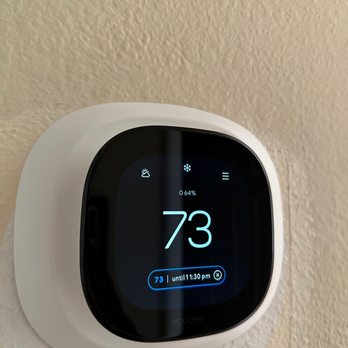
Monitor Indoor Humidity Levels
You don’t need fancy equipment. Simple monitoring helps homeowners catch issues early.
When humidity stays elevated, address it before air quality drops further. Waiting never helps.
Lessons From Real Homes in Miramar
After inspecting countless homes, one pattern stands out clearly. Humidity problems show up before serious air quality complaints, not after.
Homeowners who control moisture early:
- Avoid mold growth
- Breathe cleaner air
- Reduce allergy symptoms
- Protect HVAC systems
Those who ignore humidity usually deal with bigger fixes later.
Final Thoughts: Control Humidity, Protect Your Air
Humidity doesn’t deserve fear tactics. It deserves attention. Homes in Miramar face real moisture challenges, and ignoring them quietly damages indoor air quality over time.
If your home feels heavy, smells stale, or triggers allergies, start with humidity. Clean air starts with dry balance, not panic-driven decisions.
