
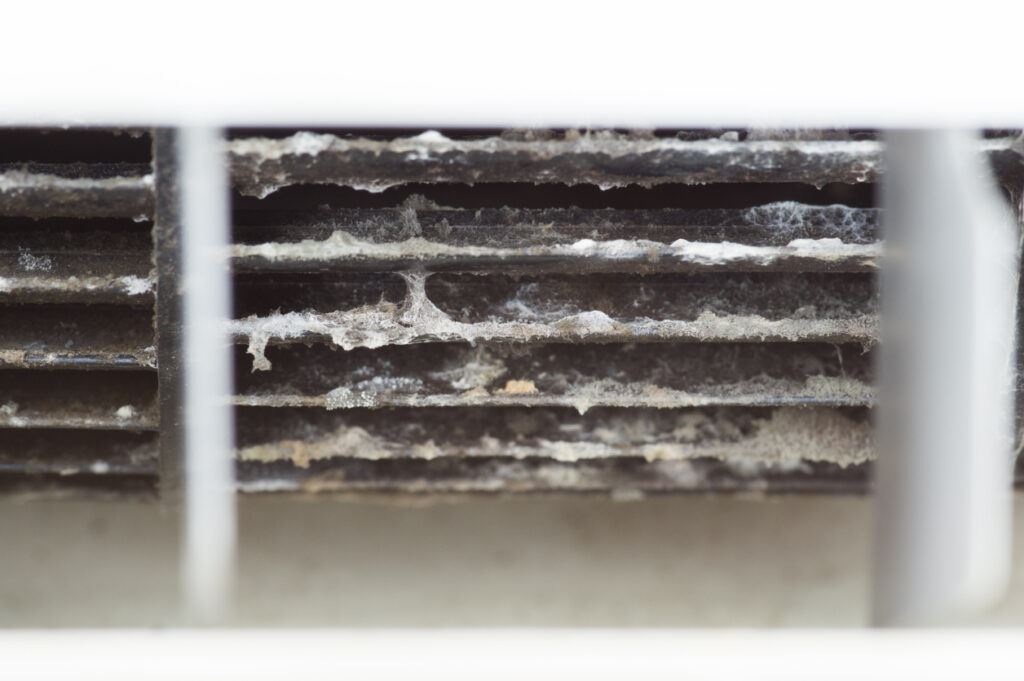
Mold and Allergies: What Homeowners Should Know – Why Ignoring It Costs More for Homes in Pompano Beach
Mold and allergies create a weird dynamic. Homeowners either panic instantly or shrug it off completely. I’ve inspected plenty of homes in Pompano Beach, and the expensive problems almost always come from the second group. Ignoring mold-related allergy issues doesn’t save money. It quietly runs up the bill.
This isn’t about scare tactics or dramatic claims. This is about how mold exposure actually affects homes, health, and budgets over time—and why waiting nearly always makes things worse.
The Mold and Allergy Connection Most People Misunderstand
Mold releases spores into the air. That part stays simple. What gets misunderstood is how those spores interact with people over time.
Some homeowners expect immediate, extreme reactions. Others expect no reaction at all. Reality lives in the middle.
Mold-related allergies usually develop gradually, not overnight. Symptoms creep in, get brushed off, and slowly become “normal” until someone finally connects the dots.
Common Allergy Symptoms Linked to Mold Exposure
Symptoms That Show Up Again and Again
During inspections, homeowners describe the same complaints on repeat. The pattern stays consistent.
Common mold-related allergy symptoms include:
- Persistent sneezing or congestion
- Itchy or watery eyes
- Chronic coughing
- Sinus pressure
- Worsening asthma symptoms
When symptoms feel worse at home and ease when leaving, that detail matters more than people realize.
Symptoms Mold Usually Doesn’t Cause Alone
Mold doesn’t typically cause sudden fevers, severe fatigue, or flu-like symptoms by itself. When people assume mold causes everything, they delay proper diagnosis.
Mold contributes to irritation and inflammation, not mystery illnesses. Clear expectations help homeowners act smarter, not slower.
Why Pompano Beach Homes Face Higher Allergy Risks
Humidity Never Takes a Day Off
Pompano Beach humidity stays relentless. Warm air holds moisture year-round, and that moisture loves indoor spaces with poor airflow.
High humidity causes:
- Condensation on vents
- Damp ductwork
- Moist wall cavities
Once moisture settles in, mold follows quietly.
Coastal Air Adds Extra Stress
Salt air and coastal moisture accelerate wear on HVAC systems. Drain pans rust faster. Coils collect buildup quicker. Moisture control slips sooner.
That combination increases the chance of mold growth inside systems that circulate air daily.
How Ignoring Mold Allergies Gets Expensive
Health Costs Add Up Faster Than Expected
People don’t always connect allergy symptoms to indoor environments. Instead, they spend money elsewhere.
Common expenses include:
- Doctor visits
- Allergy medications
- Air purifiers that don’t address the source
Those costs repeat monthly while mold exposure continues unchecked.
Mold Spreads While Symptoms Get Managed
Medications reduce symptoms, not causes. Mold keeps growing behind walls, inside ducts, and around HVAC components.
By the time homeowners investigate the source, mold often spreads further than it needed to.
Treating symptoms without fixing exposure increases long-term costs.
HVAC Systems Play a Bigger Role Than Most Think
Mold Inside HVAC Systems Drives Continuous Exposure
When mold grows inside air handlers or ductwork, exposure becomes constant. Every cooling cycle circulates spores through the home.
Homeowners often assume allergies come from outdoors. In reality, the HVAC system may amplify indoor exposure daily.
Oversized Systems Make Allergy Problems Worse
Oversized HVAC systems cool air quickly but remove less moisture. That leaves humidity behind.
The result includes:
- Damp ducts
- Condensation on vents
- Moist coils
Mold thrives in that environment, and allergy symptoms follow.
Dirty Ducts Make Mold Allergies Harder to Control
Dust and Mold Work Together
Dust inside ducts contains organic material mold uses as food. Add moisture, and growth accelerates.
Dirty ducts:
- Hold allergens longer
- Circulate spores repeatedly
- Prevent air from feeling fresh
Cleaning ducts doesn’t cure allergies, but it reduces unnecessary exposure significantly.
Leaky Ducts Pull in Humid Air
Leaky ductwork pulls humid attic or wall air into the system. That air condenses inside cooler ducts.
Moisture stays longer. Mold grows easier. Allergies worsen gradually.
Hidden Mold Areas That Drive Allergy Symptoms
Behind Walls and Under Flooring
Slow plumbing leaks soak materials quietly. Drywall and wood absorb moisture easily.
Mold grows inside wall cavities without visible warning signs. Homeowners usually notice symptoms before stains appear.
Bathrooms and Laundry Rooms
Bathrooms without proper exhaust fans trap steam. Laundry rooms trap moisture from washers and dryers.
These spaces often feed mold growth behind walls and ceilings long before homeowners suspect anything.
Why “Waiting It Out” Backfires
Mold Doesn’t Stay in One Place
Mold spreads when conditions allow it. Ignoring early signs gives mold time to move beyond the original source.
What starts as a small issue often turns into:
- Multiple affected rooms
- HVAC involvement
- Larger remediation zones
Costs rise with every delay.
Allergy Symptoms Rarely Improve on Their Own
Allergy symptoms tied to indoor mold usually worsen over time. The body reacts repeatedly, not occasionally.
Homeowners often say, “I thought it was seasonal.” Then seasons change and symptoms don’t.
Mold Testing and Inspections Save Money Long-Term
Testing Provides Direction, Not Panic
Mold testing identifies:
- Whether mold is present
- Where it originates
- How widespread it is
Without testing, homeowners guess. Guessing often leads to unnecessary spending or delayed action.
Early Inspections Limit Repair Scope
Homes inspected early often need:
- Moisture control adjustments
- HVAC maintenance
- Limited cleaning
Homes inspected late usually require:
- Material removal
- Larger remediation areas
- Higher labor costs
Timing makes the difference.
Fear Tactics vs. Real Mold Risks
Not All Mold Causes Severe Reactions
Some mold exposure causes mild irritation. Other exposure worsens allergies significantly. The difference lies in quantity, duration, and airflow.
Fear-based messaging ignores that nuance. Real inspections don’t.
Data Beats Assumptions Every Time
Inspection results often surprise homeowners. Some expect disaster and find manageable issues. Others expect nothing and uncover hidden problems.
Either way, information costs less than assumptions.
What Homeowners in Pompano Beach Should Do
Start with practical steps instead of stress.
Smart actions include:
- Monitoring indoor humidity
- Maintaining HVAC systems regularly
- Venting bathrooms and laundry rooms properly
- Inspecting for leaks early
- Addressing persistent allergy symptoms seriously
FYI, moisture control prevents more mold than any cleaning product ever will.
Lessons From Real Homes in Pompano Beach
After years of inspections, the lesson stays consistent. Homes that ignore mold-related allergy symptoms spend more over time.
Homeowners who act early:
- Reduce health-related expenses
- Limit mold spread
- Protect HVAC systems
- Improve indoor comfort
Those who wait usually say the same thing later: “I didn’t think it was a big deal.”
Final Thoughts: Ignoring Mold Allergies Always Costs More
Mold and allergies don’t demand panic, but they do demand attention. Homes in Pompano Beach face constant humidity pressure, and ignoring its effects never saves money.
If allergy symptoms feel worse at home, trust that signal. Addressing mold exposure early costs less than managing the consequences later, and that lesson repeats itself in home after home.
