
Facts vs Common Myths: Mold Testing Insights for Homes in Plantation
Mold testing sits in a weird spot. Some homeowners treat it like a scam. Others treat it like a medical emergency. After inspecting plenty of homes in Plantation, I can tell you the truth lives somewhere in between. Mold testing isn’t magic, and it’s definitely not pointless either.
The problem isn’t mold testing itself. The problem is what people think mold testing does. Let’s separate the facts from the myths and talk about how testing actually helps homeowners when it’s done for the right reasons.
Myth #1: “If I Don’t See Mold, I Don’t Have Mold”
This one leads the chart every time. Homeowners trust their eyes way too much.
Mold loves hidden spaces. It grows:
- Inside wall cavities
- Behind cabinets
- Under flooring
- Inside HVAC systems
- Above ceilings
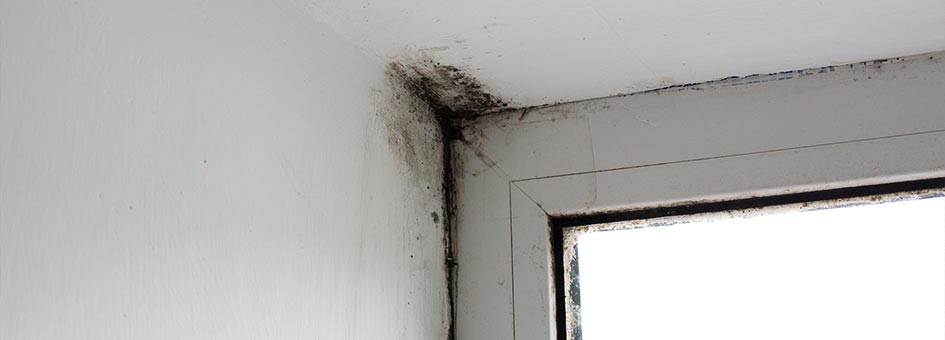
By the time mold becomes visible, it usually isn’t new. Visible mold often signals a larger hidden issue, not a starting point.
Fact: Mold testing often finds problems long before walls show stains or damage.
Fact #1: Mold Testing Detects What Inspections Can’t See
Visual inspections matter, but they have limits. Mold testing fills in the gaps.
Testing can reveal:
- Elevated airborne spore levels
- Hidden mold sources
- Whether indoor air contains more mold than outdoor air
That comparison matters. When indoor levels exceed outdoor levels, something inside the home feeds mold growth.
Testing doesn’t guess. It measures.
Myth #2: “Mold Testing Automatically Means I Need Remediation”
This myth scares people away from testing more than anything else.
Testing doesn’t decide remediation. Conditions decide remediation. Sometimes testing shows normal levels and no action needed.
I’ve seen plenty of Plantation homes where testing confirmed:
- No abnormal mold activity
- Minor issues that only needed monitoring
- Moisture problems without mold growth yet
Fact: Mold testing often prevents unnecessary remediation by proving when action isn’t needed.
Fact #2: Mold Testing Helps You Spend Money Smarter
Homeowners worry testing adds cost. In reality, it prevents wasted spending.
Testing helps:
- Pinpoint affected areas
- Limit remediation scope
- Avoid tearing into clean spaces
- Focus on moisture sources
Without testing, remediation often turns into educated guessing. Guessing usually costs more than measuring.
Myth #3: “All Mold Is Dangerous”
This myth gets used a lot in fear-based marketing. It’s also wildly misleading.
Mold exists everywhere. Outdoors. Indoors. In tiny amounts, mold doesn’t cause issues for most people.
Problems arise from:
- High spore concentrations
- Long-term exposure
- Poor ventilation and airflow
Fact: The amount of mold and duration of exposure matter far more than the name or color of mold.
Fact #3: Testing Measures Exposure, Not Panic
Mold testing doesn’t label mold as “good” or “bad.” It measures concentration.
That data helps determine:
- Whether mold affects indoor air quality
- If exposure levels exceed normal ranges
- Where growth may exist
Testing replaces emotional reactions with numbers. Numbers calm situations down fast.
Myth #4: “DIY Test Kits Are Just as Good”
DIY mold test kits feel convenient. They also create confusion more often than clarity.
Most DIY kits:
- Lack outdoor comparison samples
- Provide no interpretation
- Show growth even in normal homes
Mold spores always exist. A petri dish growing mold doesn’t mean you have a problem.
Fact: Without context, test results mean very little.
Fact #4: Professional Testing Includes Context
Professional mold testing doesn’t rely on one sample or one room.
Proper testing includes:
- Indoor and outdoor air comparisons
- Visual inspection correlation
- Moisture readings
- HVAC evaluation when needed
Results get interpreted, not just handed over. That interpretation makes all the difference.
Myth #5: “Mold Testing Tells You Everything”
This one sounds positive, but it’s still wrong.
Mold testing doesn’t:
- Fix mold
- Identify moisture sources by itself
- Replace inspections
Testing works best as part of a process, not as a standalone solution.
Fact: Testing supports decisions. It doesn’t make them alone.
Fact #5: Moisture Data Matters as Much as Mold Data
In Plantation homes, mold rarely exists without moisture issues.
Testing often pairs with:
- Humidity readings
- Moisture meters
- Thermal imaging
These tools identify why mold grows, not just where it exists. Fixing moisture stops mold from returning.
IMO, moisture control solves more problems than mold removal alone ever will.
Myth #6: “If the House Smells Fine, Mold Isn’t a Problem”
Smells help, but they don’t tell the whole story.
Some mold produces strong odors. Some doesn’t. Airflow patterns affect whether smells reach living spaces.
I’ve tested homes with:
- No noticeable odor
- Elevated indoor spore counts
Fact: Odor absence doesn’t equal mold absence.
Fact #6: HVAC Systems Skew Mold Exposure
Mold inside HVAC systems spreads differently than mold on walls.
When mold grows inside:
- Air handlers
- Drain pans
- Ductwork
Exposure becomes constant. Every cooling cycle distributes spores throughout the home.
Testing often reveals HVAC-related mold issues homeowners never suspect.
Myth #7: “Mold Testing Is Only for Sick Homes”
Many homeowners wait until symptoms appear before testing. That delay costs money.
Mold testing works best when used:
- After water damage
- During real estate transactions
- When humidity issues persist
- Before major renovations
Fact: Preventive testing catches problems early, when fixes stay smaller and cheaper.
Fact #7: Timing Changes Everything
Homes tested early usually need:
- Moisture control
- Ventilation improvements
- HVAC maintenance
Homes tested late often require:
- Material removal
- Larger remediation zones
- Higher labor costs
Same house. Different timing. Completely different outcome.
Myth #8: “Testing Is a One-Time Thing”
Homes change constantly. Moisture conditions shift. HVAC systems age. Plumbing wears out.
Testing once doesn’t guarantee future conditions stay the same.
Fact: Mold testing works best when used strategically, not randomly or excessively.
FYI, testing after known moisture events makes far more sense than testing on a strict schedule.
How Mold Testing Actually Helps Plantation Homeowners
When used correctly, mold testing provides clarity, not fear.
It helps homeowners:
- Understand real exposure levels
- Avoid unnecessary remediation
- Catch hidden problems early
- Fix moisture sources properly
- Protect indoor air quality
Testing supports smarter decisions instead of reactive ones.
What Mold Testing Doesn’t Do
Let’s be clear.
Mold testing does not:
- Create mold problems
- Guarantee remediation
- Replace professional judgment
Testing simply reveals what’s already there.
Lessons From Real Homes in Plantation
After reviewing countless test results, one pattern stays consistent. Homes with good moisture control test cleaner.
Homes with:
- Poor ventilation
- Oversized HVAC systems
- Unchecked humidity
- Hidden leaks
show elevated mold findings more often. Testing doesn’t cause the problem. It just exposes it.
How to Approach Mold Testing the Right Way
Homeowners get the best results when they:
- Pair testing with inspections
- Ask for interpretation, not just numbers
- Address moisture sources immediately
- Avoid panic-driven decisions
Calm, informed action beats fear every time.
Final Thoughts: Facts Always Beat Myths
Mold testing doesn’t deserve blind trust or blind fear. It deserves understanding. Homes in Plantation face real humidity and moisture challenges, and ignoring them never works.
When homeowners separate myths from facts, mold testing becomes what it should be: a tool for clarity, not confusion. Used correctly, it saves money, limits damage, and keeps indoor air healthier without unnecessary stress.
