
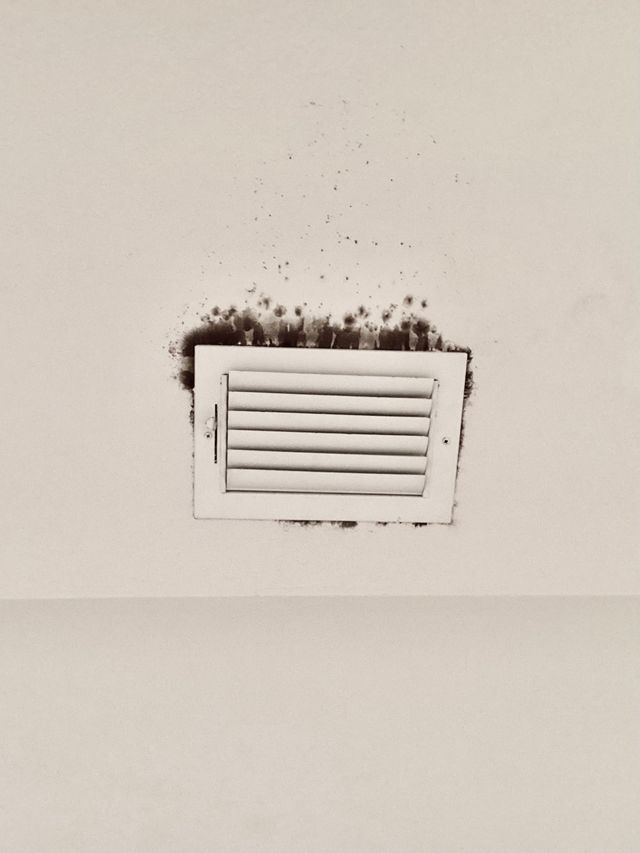
The Science Explained Simply: Hidden Mold Insights for Homes in Deerfield Beach
Hidden mold doesn’t act like the mold people imagine. It doesn’t announce itself with big black spots or dramatic leaks. I’ve inspected plenty of homes in Deerfield Beach, and hidden mold usually stays quiet, patient, and very good at blending into everyday life.
The science behind hidden mold stays simple once you strip away the fear tactics. Mold grows where moisture lingers, food exists, and airflow stays limited. When those three things line up behind walls or inside systems, mold doesn’t hesitate. Let’s break this down in plain language so it actually makes sense.
What “Hidden Mold” Really Means
Hidden mold isn’t a special type of mold. It’s regular mold growing in places people don’t look.
Common hidden locations include:
- Inside wall cavities
- Behind cabinets
- Under flooring
- Inside HVAC systems
- Above ceilings
If mold grows out of sight, it still releases spores. The only difference is homeowners don’t see the source right away.
Hidden doesn’t mean harmless. It just means unnoticed.
Why Florida Homes Create Perfect Conditions
Warmth, Moisture, and Time
Mold needs three things:
- Moisture
- A food source
- Time
Florida homes provide all three without effort. Warm temperatures stay consistent. Humidity stays high. Building materials provide food.
In Deerfield Beach, homes rarely dry out completely. Moisture sticks around long enough for mold to establish itself quietly.
Humidity Does More Damage Than Leaks
People blame leaks, but humidity causes more hidden mold than plumbing failures.
Moist air moves through:
- Wall cavities
- Attics
- Duct systems
When that air hits cooler surfaces, moisture condenses. That condensation feeds mold without leaving obvious water damage.
The Simple Physics Behind Hidden Mold
Condensation Is the Real Trigger
Warm air holds moisture. Cool surfaces pull moisture out of the air. That’s basic physics.
Inside homes, cool surfaces include:
- Drywall behind furniture
- HVAC components
- Duct interiors
- Tile backer boards
When humid air contacts these surfaces repeatedly, condensation forms. Even small amounts create damp conditions mold loves.
Drying Speed Matters More Than Moisture Amount
Mold doesn’t need floods. It needs surfaces that don’t dry quickly.
Hidden spaces dry slowly because:
- Airflow stays limited
- Sunlight never reaches them
- Temperatures stay stable
That slow drying gives mold time to grow undisturbed.
Building Materials Feed Mold Easily
Drywall and Wood Absorb Moisture
Most Florida homes rely heavily on drywall and wood framing. These materials absorb moisture quickly and release it slowly.
Mold grows well on:
- Drywall paper backing
- Wood studs
- Plywood
- Dust-coated surfaces
Once these materials stay damp repeatedly, mold establishes itself quietly.
Dust Isn’t Just Dirt
Dust contains organic material mold uses as food. Even clean homes generate dust daily.
When dust settles in damp hidden spaces, mold gets a steady food supply. Cleaning visible surfaces doesn’t change what’s happening behind walls.
HVAC Systems Hide Mold Better Than Any Wall
Why HVAC Systems Become Mold Hotspots
HVAC systems naturally produce condensation. That part is normal.
Problems start when:
- Drain lines clog
- Drain pans rust
- Coils stay dirty
- Airflow becomes uneven
Moisture lingers inside the system, and mold moves in quickly.
Ductwork Spreads Hidden Mold
When mold grows inside ducts, homeowners don’t see it. They feel it.
Every time the system runs:
- Spores circulate
- Exposure becomes consistent
- Odors spread intermittently
Hidden mold inside HVAC systems often causes symptoms long before anyone suspects the source.
Why Bathrooms and Kitchens Hide Mold So Well
Steam Moves Into Walls, Not Just the Air
Hot showers release moisture fast. Without proper ventilation, that moisture travels into wall cavities and ceilings.
Bathroom mold often grows:
- Behind tile
- Above shower ceilings
- Inside wall cavities
Kitchens and laundry rooms behave the same way. Moisture doesn’t stay where it’s produced.
Ventilation Mistakes Matter
Fans that:
- Don’t vent outside
- Don’t move enough air
- Don’t run long enough
allow moisture to settle where homeowners never look. Hidden mold loves that setup.
Why People Miss Hidden Mold for So Long
Symptoms Appear Before Visual Clues
Hidden mold often affects people before it affects paint or drywall.
Common early complaints include:
- Persistent musty smells
- Allergy symptoms that don’t ease
- Headaches or fatigue at home
- Air that feels stale or heavy
Because these symptoms feel vague, people dismiss them instead of investigating.
Odors Come and Go
Hidden mold odors often appear only when:
- The AC runs
- Humidity rises
- Certain rooms stay closed
That inconsistency confuses homeowners and delays action.
Why DIY Checks Rarely Find Hidden Mold
Eyes Can’t See Behind Walls
Visual inspections only catch surface mold. Hidden mold requires tools and experience.
Inspectors rely on:
- Moisture meters
- Thermal imaging
- Air sampling
- HVAC inspection
Without these tools, homeowners guess based on symptoms alone.
Cleaning Doesn’t Touch Hidden Growth
Wiping visible surfaces doesn’t affect mold behind walls or inside systems.
If moisture remains, hidden mold continues growing regardless of how clean the house looks.
The Health Side of Hidden Mold Exposure
Long-Term Exposure Feels Subtle
Hidden mold often causes low-level exposure that builds over time.
People report:
- Chronic congestion
- Sneezing indoors
- Irritated eyes
- Trouble sleeping
- Fatigue
Symptoms often improve outside the home, then return inside. That pattern matters.
HVAC Mold Makes Exposure Continuous
When mold hides inside HVAC systems, exposure becomes daily. There’s no break.
That consistency explains why symptoms persist even when visible mold stays absent.
Why Hidden Mold Keeps Coming Back
Cleaning Without Moisture Control Fails
Removing mold without fixing moisture sources guarantees regrowth.
Common missed sources include:
- High indoor humidity
- Duct leaks
- Condensation issues
- Ventilation failures
Mold doesn’t need to reappear. It never fully leaves.
Partial Fixes Create False Confidence
Fixing one leak while ignoring airflow or humidity leaves conditions unchanged.
Hidden mold thrives when homeowners address symptoms instead of causes.
What Actually Reduces Hidden Mold Risk
Moisture Control Changes Outcomes
Hidden mold disappears when moisture disappears.
Effective steps include:
- Monitoring indoor humidity
- Maintaining HVAC systems
- Sealing and insulating ductwork
- Venting bathrooms and kitchens properly
- Fixing leaks immediately
These steps stop mold growth before it becomes visible.
Airflow Helps Hidden Spaces Dry
Improved airflow shortens drying time. Shorter drying time means fewer mold opportunities.
Balanced HVAC systems and sealed ducts make a noticeable difference over time.
When Inspections Make Sense
Hidden mold inspections help when homeowners notice:
- Persistent musty odors
- Allergy symptoms tied to the home
- Past water damage
- Ongoing humidity problems
- HVAC moisture issues
Inspections work best when paired with moisture evaluation. Finding mold without fixing conditions solves nothing.
Lessons From Real Homes in Deerfield Beach
Across inspections, one lesson stays consistent. Homes with controlled humidity and maintained HVAC systems show fewer hidden mold issues.
Homes that ignore moisture tend to chase mold repeatedly. The difference isn’t luck. It’s understanding how moisture behaves indoors.
Once homeowners grasp the science, solutions stop feeling complicated.
Simple Takeaways Homeowners Can Use
Here’s the science without the noise:
- Mold follows moisture
- Hidden spaces dry slowly
- Dust feeds mold
- HVAC systems spread exposure
- Moisture control stops growth
That’s the whole story.
Final Thoughts: Hidden Mold Isn’t Mysterious Once You Understand It
Hidden mold doesn’t require scary explanations or extreme solutions. Homes in Deerfield Beach face constant humidity pressure, and hidden spaces respond to that pressure quietly.
When homeowners understand how moisture, airflow, and materials interact, hidden mold becomes manageable instead of mysterious. The science stays simple, and simple science leads to better decisions, fewer surprises, and healthier indoor air over time.
