
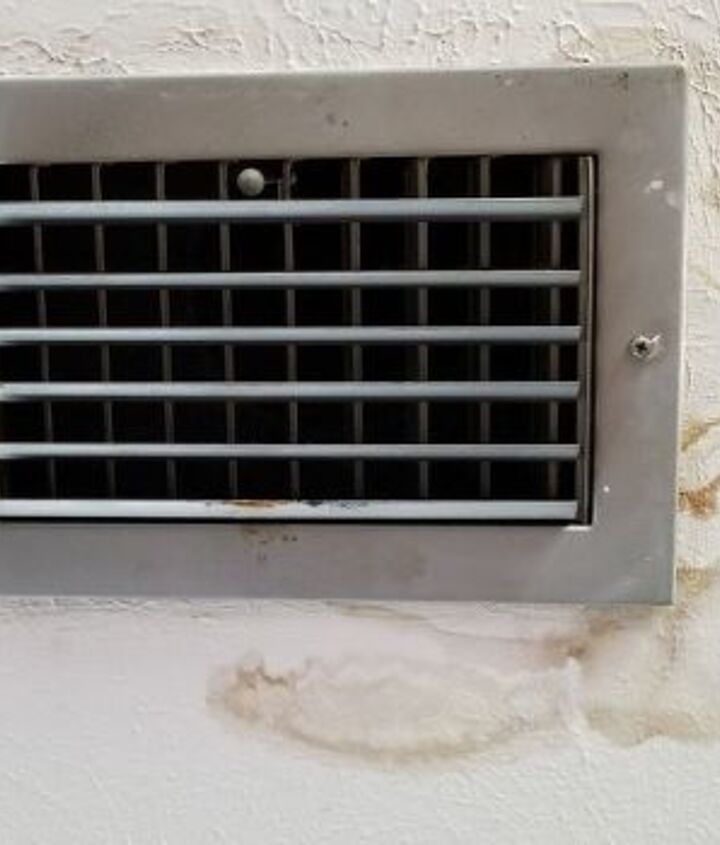
Early Warning Signs of Mold Growth – What We See Inside Homes for Homes in Deerfield Beach
Mold rarely starts with a dramatic black patch screaming for attention. It starts with subtle clues that feel easy to ignore. After inspecting plenty of homes in Deerfield Beach, I can say this without hesitation: the most expensive mold problems almost always showed warning signs early. The homeowners just didn’t recognize them for what they were.
This isn’t a scare piece. It’s a heads-up. These are the real early warning signs we see inside homes long before mold becomes obvious or costly.
Why Early Mold Signs Get Missed So Often
Most homeowners expect mold to look ugly right away. In reality, mold prefers to stay quiet at first.
Early mold growth usually hides behind walls, inside HVAC systems, or in damp materials that look fine on the surface. By the time mold becomes visible, it’s often been growing for a while.
Catching mold early saves money because the damage hasn’t spread yet. Missing the signs lets moisture and spores keep working in the background.
Persistent Musty or Earthy Odors
Smells That Come and Go Matter
One of the earliest signs we notice during inspections is a musty smell that isn’t constant. It might show up:
- When the AC turns on
- After a humid day
- In specific rooms or closets
That inconsistency throws people off. They assume it’s just humidity or an “old house smell.”
In reality, intermittent odors often mean hidden mold reacting to moisture and airflow.
Why Odor Appears Before Mold Is Visible
Mold releases microbial gases before it spreads far enough to stain surfaces. Your nose often detects a problem before your eyes do.
If a smell keeps returning in the same area, it deserves attention.
Condensation Where It Shouldn’t Be
Condensation on Vents and Windows
Condensation doesn’t just mean warm air meets cool glass. In Deerfield Beach homes, it often signals excess indoor humidity.
Warning signs include:
- Water droplets on AC vents
- Foggy windows even when it’s not cold
- Damp air that feels sticky
Condensation feeds mold quietly. If it happens regularly, mold conditions already exist.
Condensation Inside the Home Is a Red Flag
Outdoor humidity explains some moisture. Indoor condensation that repeats usually points to airflow or HVAC issues.
Mold loves surfaces that never fully dry.
Allergy Symptoms That Only Act Up at Home
Health Clues Often Show Up First
We hear this all the time: “I feel fine outside, but my allergies act up at home.”
Early mold exposure often causes:
- Sneezing indoors
- Nasal congestion
- Itchy eyes
- Mild coughing
These symptoms usually feel manageable at first, which is why people ignore them.
When symptoms improve outside the home, indoor air quality deserves a closer look.
Subtle Changes in Walls, Ceilings, or Paint
Small Visual Changes Matter
Early mold growth often causes minor changes that seem cosmetic.
Common early signs include:
- Slight paint bubbling
- Hairline cracks that feel damp
- Discoloration that fades and returns
Homeowners often repaint and move on. That covers the symptom, not the cause.
Why Paint Fails Before Mold Shows
Moisture affects paint before mold breaks through the surface. If paint keeps failing in the same spot, moisture is active behind it.
Bathrooms That Never Seem to Dry
Lingering Moisture After Showers
Bathrooms create moisture fast. In healthy homes, ventilation removes it quickly.
Early mold risk shows up when:
- Mirrors stay foggy long after showers
- Walls feel damp hours later
- The bathroom smells musty despite cleaning
This usually means ventilation isn’t doing its job, and moisture is moving into walls or ceilings.
Fans That “Work” But Don’t Vent Properly
A running fan doesn’t guarantee ventilation. We often find fans that:
- Vent into attics
- Move very little air
- Turn off too quickly
That trapped moisture feeds mold in hidden spaces.
Closets and Corners That Smell Off
Low Airflow Areas Get Hit First
Mold loves places where air doesn’t move much.
Early warning areas include:
- Closets on exterior walls
- Corners behind furniture
- Storage rooms that stay closed
These spaces dry slowly and trap humidity, making them early mold targets.
If one closet always smells off, that’s not random.
HVAC Clues Most Homeowners Overlook
Musty Smell When the AC Starts
If you notice a musty smell when the AC kicks on, pay attention.
That often points to:
- Mold inside the air handler
- Moisture in ductwork
- Dirty coils holding condensation
HVAC-related mold spreads spores through the home long before anyone sees visible growth.
Excess Dust or Damp Vents
Damp vents or dust that feels sticky can signal moisture inside ducts. That combination creates perfect mold conditions.
Floors That Feel Off for No Clear Reason
Warping, Lifting, or Soft Spots
Early moisture problems often show up in flooring first.
Warning signs include:
- Laminate edges lifting
- Vinyl planks separating
- Carpet that smells musty
Homeowners often blame installation or age. Moisture usually tells the real story.
Why Deerfield Beach Homes See These Signs Early
Humidity stays high most of the year. Homes don’t get many chances to fully dry out.
That means:
- Moisture builds quietly
- Small issues escalate faster
- Early signs matter more here
In this climate, waiting for obvious mold usually means waiting too long.
What Happens When These Signs Get Ignored
Ignoring early signs allows:
- Mold to spread into walls and HVAC systems
- Repair areas to expand
- Costs to rise significantly
Early fixes often involve ventilation or humidity control. Late fixes involve removal and remediation.
Same house. Very different outcomes.
What We Recommend When Early Signs Appear
You don’t need to panic. You need to investigate.
Smart next steps include:
- Checking indoor humidity levels
- Inspecting HVAC systems for moisture
- Verifying bathroom fans vent outside
- Looking behind furniture and in closets
- Scheduling professional inspections if patterns repeat
FYI, early inspections usually cost far less than late repairs.
Lessons From Real Homes in Deerfield Beach
Across inspections, the pattern stays consistent. Homes that respond to early warning signs avoid major mold problems.
Homes that ignore them usually deal with:
- Hidden growth
- HVAC contamination
- Larger remediation zones
The difference isn’t luck. It’s attention.
Final Thoughts: Early Signs Are Mold’s Only Warning
Mold doesn’t send invoices in advance. It sends subtle signals instead. Homes in Deerfield Beach live under constant humidity pressure, which means those signals matter more here than almost anywhere else.
The biggest lesson from real inspections stays simple. The earlier you listen, the less mold costs you—in repairs, air quality, and peace of mind.
