
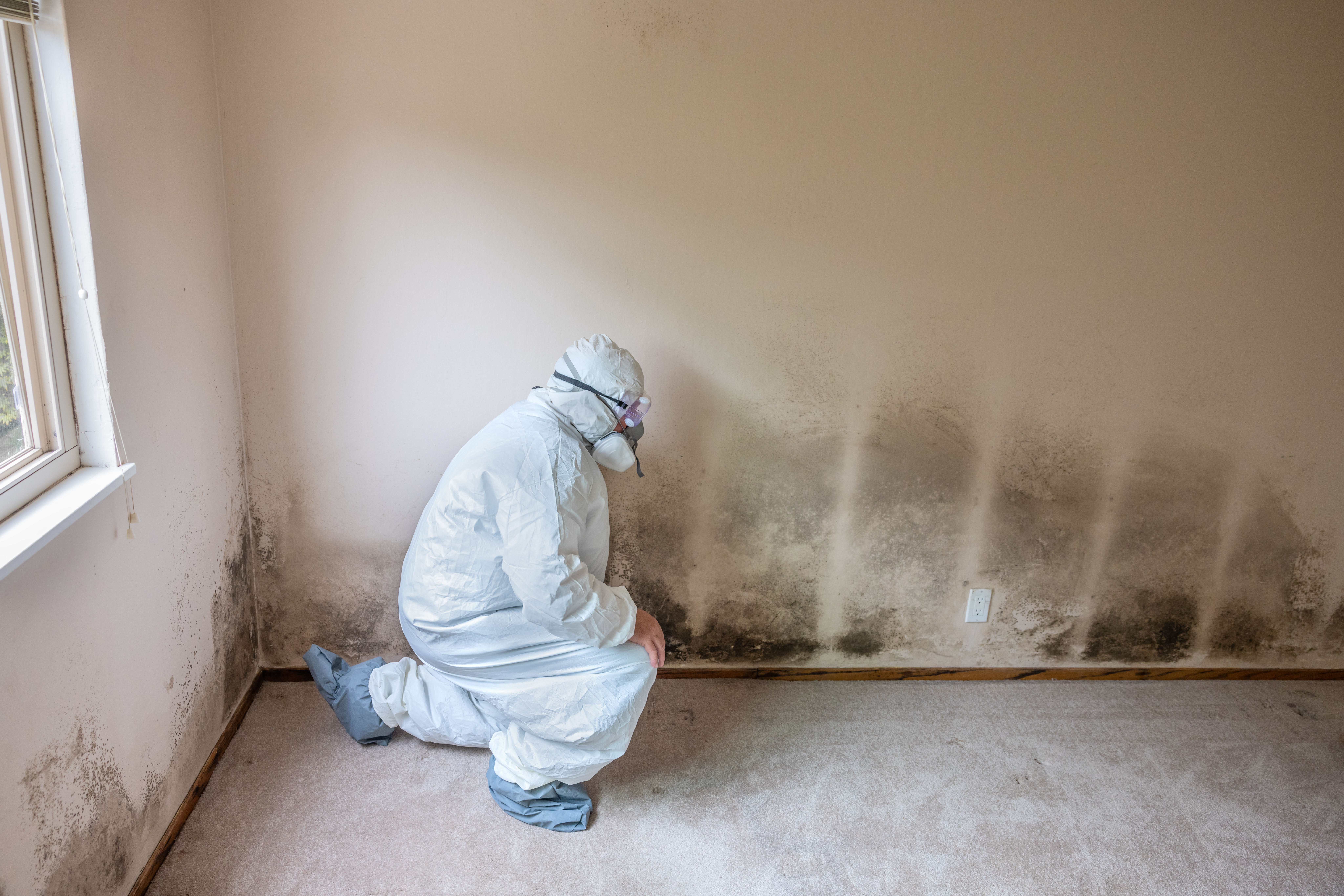
Real Risks, Not Fear Tactics: Mold Removal Insights for Homes in Weston
Mold removal gets marketed like it’s either an apocalypse or a scam. Neither extreme helps homeowners make smart decisions. After reviewing real inspections and remediation projects in Weston, one thing stays consistent: mold removal matters, but only when it’s done for the right reasons and in the right way.
This isn’t about scary headlines or dismissive advice. It’s about the real risks homeowners face, what mold removal actually solves, and where people get pushed into unnecessary work they never needed in the first place.
The First Thing to Understand: Mold Removal Isn’t the Whole Solution
This gets misunderstood constantly.
Mold removal removes contaminated materials or cleans affected areas. It does not automatically fix why mold grew there in the first place.
Mold grows because of:
- Moisture
- Limited airflow
- Time
If those conditions stay active, mold grows again. That’s not a failure of removal. That’s a failure of moisture control.
Removal handles the symptom. Moisture control fixes the disease.
The Real Risk of Mold Isn’t the Name or Color
Fear-based marketing loves mold labels. In real inspections, labels matter far less than exposure.
What actually drives risk:
- How much mold exists
- Where it’s located
- How long exposure lasts
- Whether HVAC systems spread it
A small hidden mold issue feeding HVAC airflow often causes more problems than a large, visible patch in one room.
In Weston homes, exposure pathways matter more than appearances.
Why Weston Homes Face Mold Issues Differently
High Humidity Works Quietly
Weston homes deal with consistent humidity. Even newer, well-built homes face moisture pressure year-round.
Humidity causes:
- Slow drying behind walls
- Condensation inside HVAC systems
- Damp duct interiors
Mold doesn’t need leaks or flooding here. Stable humidity does the job just fine.
Energy-Efficient Homes Can Trap Moisture
Modern homes seal tightly. That improves efficiency but limits natural air exchange.
Without proper ventilation and dehumidification, moisture builds inside. Mold follows the stability, not the mess.
What Mold Removal Actually Involves (When Done Correctly)
Containment Is Non-Negotiable
Removing mold without containment spreads spores. That turns small problems into larger ones fast.
Proper mold removal uses:
- Physical barriers
- Negative air pressure
- HEPA filtration
Containment protects clean areas while work happens. Skipping it raises both risk and cost.
Removal Means Removing, Not Just Wiping
Effective mold removal often requires:
- Removing contaminated drywall or insulation
- Cleaning non-porous surfaces properly
- Disposing of materials safely
Wiping mold off porous materials rarely works long-term. Mold roots stay behind and regrow.
What Mold Removal Does Well
When done correctly, mold removal:
- Eliminates active growth
- Reduces airborne spores
- Stops direct exposure
- Allows affected areas to dry
These steps matter, especially when mold already affects indoor air quality or occupant health.
But removal only works when paired with moisture correction.
What Mold Removal Does Not Do
This part matters because fear tactics often promise too much.
Mold removal does not:
- Fix humidity problems
- Repair HVAC condensation issues
- Prevent future growth by itself
- Guarantee mold never returns
Any company promising permanent results without addressing moisture deserves scrutiny.
The Most Common Fear Tactic Homeowners Face
“All Mold Is Dangerous”
That statement oversimplifies reality.
Mold exists everywhere. Problems come from elevated indoor exposure over time, not from the presence of mold alone.
Fear-based messaging pushes immediate removal without understanding scope, source, or necessity.
“You Need Full-Home Removal”
In real inspections, many homes only need targeted removal, not whole-house demolition.
Testing and inspection determine scope. Guessing inflates it.
When Mold Removal Is Truly Necessary
Mold removal makes sense when:
- Mold growth affects porous materials
- Indoor air quality shows elevated spore levels
- HVAC systems spread contamination
- Occupants experience persistent symptoms
- Moisture sources already got identified
In these cases, removal protects health and prevents further damage.
When Mold Removal Gets Overused
Mold removal often gets pushed when:
- Surface mold appears on non-porous materials
- Moisture issues exist without active growth
- Testing shows normal indoor levels
In those situations, moisture control or cleaning may solve the issue without removal.
Removal should match the problem, not exceed it.
HVAC Systems: Where Mold Removal Decisions Go Wrong
Ignoring HVAC Systems Causes Repeat Problems
If mold grows inside air handlers or ducts, removing mold from walls alone won’t last.
Every AC cycle reintroduces spores. That’s how homeowners end up paying twice.
Effective removal evaluates:
- Air handlers
- Drain lines and pans
- Duct interiors
- Insulation conditions
Ignoring HVAC involvement almost guarantees recurrence.
Oversized Systems Increase Risk
Oversized HVAC systems short-cycle. That reduces moisture removal and increases condensation.
Mold removal without correcting HVAC sizing or airflow often fails long-term.
The Cost Difference Between Smart and Reactive Removal
Early, Targeted Removal Costs Less
When homeowners act early, removal often stays limited.
Early cases usually involve:
- Small contained areas
- Minimal material removal
- Faster drying times
Costs stay controlled because mold hasn’t spread far.
Late, Reactive Removal Costs More
Delayed removal often requires:
- Larger containment zones
- More demolition
- HVAC remediation
- Longer timelines
Same house. Same moisture issue. Bigger bill because of delay.
Health Risks Without the Hype
What Long-Term Exposure Can Do
Long-term exposure often leads to:
- Chronic congestion
- Allergy flare-ups
- Asthma symptoms
- Fatigue or headaches
These effects build gradually. They don’t usually show up overnight.
What Mold Removal Helps With
Proper removal reduces exposure significantly. Many homeowners notice symptom improvement once contaminated areas and airflow sources get addressed.
The key is reducing exposure consistently, not expecting instant cures.
Why DIY Mold Removal Usually Fails
DIY removal focuses on visible areas. Mold rarely stays visible.
DIY efforts usually:
- Miss hidden growth
- Ignore HVAC systems
- Spread spores during scrubbing
- Leave moisture untouched
That’s why mold “comes back” after DIY attempts. Conditions never changed.
How Professionals Decide What to Remove
Experienced inspectors rely on:
- Moisture readings
- Air sampling
- Visual inspection
- HVAC evaluation
Removal scope gets based on data, not fear. That approach protects both health and budgets.
FYI, proper assessment often reduces how much removal gets done.
Lessons From Real Homes in Weston
Across inspections, one lesson stays consistent. Homes that pair mold removal with moisture control stop seeing repeat issues.
Homes that focus only on removal often call back months later. The difference isn’t effort. It’s understanding.
IMO, mold removal works best when homeowners stop asking “How fast can we remove this?” and start asking “Why did this grow here?”
Practical Steps Homeowners Should Take First
Before agreeing to removal, homeowners should:
- Identify moisture sources
- Evaluate HVAC systems
- Understand exposure levels
- Confirm containment plans
- Ask about post-removal verification
These steps prevent unnecessary work and future costs.
What Post-Removal Verification Actually Protects
Verification testing confirms:
- Mold levels returned to normal
- Contaminated materials got removed
- Air quality improved
Skipping verification saves little upfront and costs more later when doubts or recurrence appear.
Final Thoughts: Real Risks Deserve Real Solutions
Mold removal matters when mold actually creates risk. Homes in Weston face real humidity challenges, and ignoring mold growth isn’t smart. But panic-driven removal isn’t smart either.
The real risk comes from ongoing exposure combined with unmanaged moisture, not from mold’s name or appearance. When homeowners demand data, proper containment, and moisture control alongside removal, mold problems shrink instead of multiply.
Real risks deserve calm, informed action—not fear tactics—and that’s how mold removal actually works when it’s done right.
