
What the Data Tells Us: Mold Remediation Insights for Homes in Plantation
Mold remediation is one of the most misunderstood home services in Plantation, Florida. Some homeowners believe it’s nothing more than surface cleaning, while others fear it means tearing their entire home apart. When we look at real inspection data, remediation outcomes, and follow-up testing from homes across Plantation and Broward County, the truth is far more practical—and far less dramatic.
The data shows that mold remediation succeeds when it is treated as a moisture-control and contamination-removal process, not a cosmetic fix. Understanding what actually causes mold, where it grows, and why it returns helps homeowners avoid repeat problems and unnecessary costs.
What Mold Remediation Really Means in Plantation Homes
Mold remediation is not the same as mold cleaning. Data from completed projects in Plantation makes this distinction very clear.
- Mold cleaning addresses what you can see
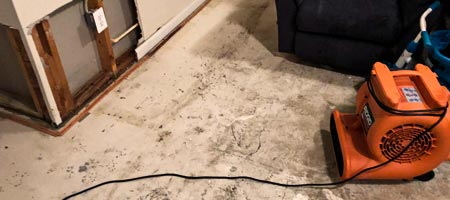
- Mold remediation removes contaminated materials and corrects the moisture source
Inspection data shows that surface-only cleaning almost always leads to mold returning. In contrast, homes that underwent proper remediation—including moisture correction—showed long-term resolution with no recurring growth during follow-up inspections.
What the Data Shows About Why Mold Develops
Across Plantation homes, mold growth consistently traces back to persistent moisture. Mold spores exist naturally in indoor air, but they only grow when moisture levels remain elevated long enough.
The most common moisture sources documented include:
- High indoor humidity levels
- HVAC condensation leaks
- Poor bathroom ventilation
- Roof or window leaks
- Past water damage that was never fully dried
In many cases, homeowners were unaware these issues existed. Data shows moisture problems often went undetected for months before mold became visible.
Where Mold Is Most Often Found During Remediation
Remediation data reveals clear patterns in where mold is discovered in Plantation homes. The most frequently affected areas include:
- Inside HVAC air handlers and ductwork
- Behind bathroom walls near showers
- Under sinks with slow plumbing leaks
- Inside closets on exterior walls
- Around windows and sliding glass doors
One critical insight from the data is that visible mold is rarely the full problem. Air testing often shows elevated mold spore levels throughout the home, especially when HVAC systems are involved.
Air Quality Data and Mold Remediation Outcomes
Air sampling plays a major role in understanding mold problems and confirming successful remediation. In Plantation homes, pre-remediation air samples frequently show indoor mold levels higher than outdoor levels.
After proper remediation, follow-up air testing typically shows:
- Mold spore levels returning to normal
- Reduced diversity of mold species indoors
- Improved overall indoor air quality
Homes that included post-remediation testing were far less likely to experience unresolved or recurring mold issues.
Why DIY Mold Removal Fails According to the Data
A significant portion of homes requiring professional remediation had already attempted DIY mold cleanup. Inspection data shows a strong pattern: DIY cleaning rarely prevents mold from returning.
Common reasons DIY efforts fail include:
- Moisture sources are never corrected
- Mold inside walls or HVAC systems is missed
- Household cleaners do not remove spores
- Improper cleaning spreads contamination
Homes with repeated mold complaints almost always had a history of surface cleaning without moisture control.
What Successful Mold Remediation Has in Common
Data from successful remediation projects in Plantation shows consistent steps were followed.
Homes with lasting results typically included:
- Identification and repair of moisture sources
- Removal of mold-contaminated materials
- Proper containment during remediation
- Cleaning or treatment of HVAC components
- Post-remediation verification testing
When these steps were followed, follow-up inspections months later showed no active mold growth and stable indoor humidity levels.
Plantation’s Climate and Its Role in Mold Problems
Plantation’s warm, humid climate plays a major role in mold development. High outdoor humidity, frequent rain, and year-round air conditioning create conditions where moisture easily becomes trapped indoors.
Inspection data shows that even newer homes in Plantation can develop mold when:
- HVAC systems short-cycle and fail to dehumidify
- Ventilation is inadequate
- Indoor humidity is not actively managed
Older homes may face additional risks from aging materials or prior water exposure.
Health and Comfort Trends After Remediation
While mold remediation is not a medical treatment, homeowner feedback and inspection data reveal noticeable comfort improvements after proper remediation.
Commonly reported changes include:
- Reduced musty odors
- Fewer allergy or sinus symptoms
- Improved sleep quality
- A more comfortable indoor environment
These improvements correlate strongly with reduced indoor mold levels and better humidity control.
Why Post-Remediation Testing Matters
One of the strongest conclusions from the data is the importance of verification testing. Homes that skipped post-remediation testing were more likely to question whether the problem was fully resolved.
Post-remediation testing:
- Confirms mold levels are back to normal
- Verifies remediation effectiveness
- Provides documentation for homeowners
- Reduces uncertainty and repeat work
Data shows that testing adds clarity and confidence, not unnecessary cost.
Practical Takeaways for Plantation Homeowners
The data tells a clear story for homeowners in Plantation, Florida:
- Mold problems are moisture problems first
- Visible mold is often only part of the issue
- DIY cleaning rarely solves mold long term
- Successful remediation follows a systematic process
- Verification testing helps prevent repeat issues
Understanding these facts helps homeowners avoid fear-based decisions and focus on solutions that actually work.
A Smarter Approach to Mold Remediation in Plantation
Mold remediation does not have to be overwhelming when guided by data instead of assumptions. Inspection results from Plantation homes consistently show that addressing moisture, airflow, and contamination together leads to lasting results.
If you suspect mold or want clarity about an existing issue in your Plantation home, a professional inspection can identify what’s really happening and what steps are truly necessary. With the right information, mold remediation becomes a controlled, effective process focused on restoring a healthy indoor environment—not a source of stress.
