
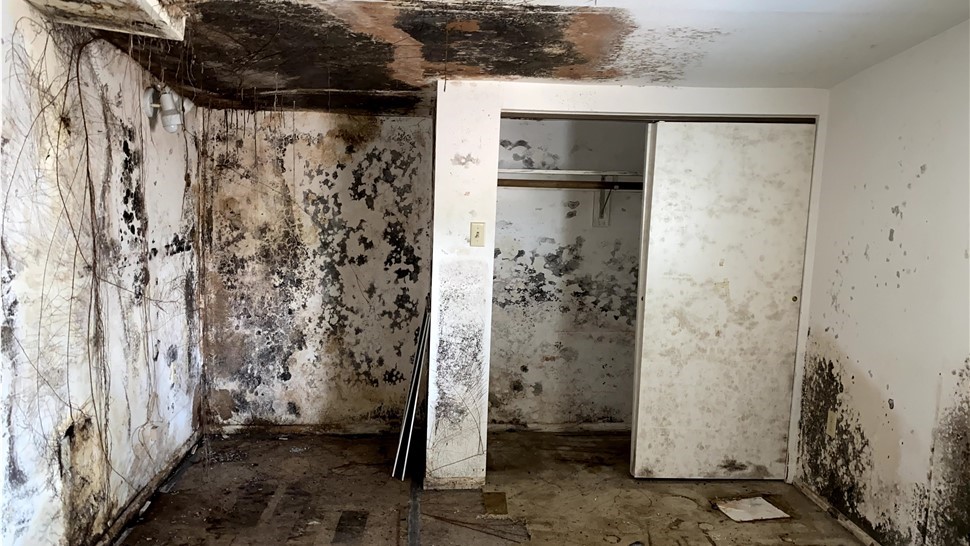
Early Warning Signs of Mold Growth – Lessons From Real Inspections for Homes in Plantation, Florida
If you live in Plantation, mold usually doesn’t show up as an obvious problem overnight. In real inspections, it almost always starts quietly, giving off subtle warning signs that homeowners either miss or brush off as “normal Florida stuff.”
This guide is built on lessons from real mold inspections in Plantation homes—not theory, not fear tactics. These are the early signs professionals see again and again, long before mold becomes visible or expensive to fix.
Why Early Mold Signs Are Easy to Miss in Plantation Homes
Plantation homes deal with:
- High year-round humidity
- Heavy seasonal rain
- Constant AC use
- Condensation from cooling warm air
- Slab construction common in South Florida
Because these conditions are so normal, early mold signals often blend into everyday life. By the time mold is visible, it’s usually been growing for weeks or months.
Early Warning Sign #1: A Musty Smell That Comes and Goes
What homeowners say:
“It’s not always there.”
What inspections reveal:
Intermittent musty odors are one of the earliest and most reliable signs of mold growth.
During inspections in Plantation, odors are often strongest:
- When the AC first turns on
- After rainstorms
- In closets or spare rooms
- Near bathrooms or AC closets
That smell isn’t humidity—it’s microbial activity. If it keeps returning, something is growing somewhere.
Early Warning Sign #2: Allergy Symptoms That Feel Worse at Home
One of the most common inspection triggers is this sentence:
“I feel better when I’m not at home.”
Real inspection patterns show:
- Sneezing or coughing indoors
- Sinus pressure that improves outside
- Headaches that occur mainly at home
- Asthma symptoms worsening indoors
Mold spores are airborne. You don’t need visible mold for symptoms to start—especially when HVAC systems distribute spores throughout the house.
Early Warning Sign #3: Discoloration That Keeps Coming Back
What homeowners assume:
“It’s just dirt or old paint.”
What inspections confirm:
Recurring stains almost always mean ongoing moisture.
Watch for:
- Light gray, green, or brown spotting
- Yellowish water stains
- Darkening near baseboards or ceilings
- Spots that return after cleaning or repainting
If it comes back, the moisture source hasn’t been addressed—and mold often isn’t far behind.
Early Warning Sign #4: Bubbling Paint or Soft Drywall
During Plantation inspections, professionals often find mold behind walls that look mostly fine.
Subtle warning signs include:
- Paint bubbling or peeling
- Drywall that feels soft when pressed
- Baseboards pulling away slightly
- Walls that feel cool or damp
These are moisture signals first—and mold signals soon after.
Early Warning Sign #5: HVAC-Related Clues Homeowners Overlook
Many mold inspections in Plantation homes trace back to HVAC systems.
Early HVAC-related signs include:
- Musty smell when AC starts
- Odors strongest near vents
- Condensation on vent covers
- Filters clogging unusually fast
Because HVAC systems move air everywhere, mold here can turn a small problem into a whole-house issue.
Early Warning Sign #6: High Indoor Humidity That Feels “Normal”
One of the biggest inspection discoveries:
“The house always feels a little damp.”
Humidity above 60% can support mold growth—even without leaks.
Common clues:
- Windows or vents sweating
- Clothes or shoes feeling damp
- Rooms that never feel fully dry
In Plantation homes, AC systems don’t always dehumidify effectively—especially during rainy or mild weather.
Where Mold Is Commonly Found During Plantation Inspections
Based on real inspection data, early mold growth is often found:
- Under kitchen and bathroom sinks
- Behind bathroom vanities and showers
- Inside AC closets and air handlers
- Behind baseboards after small leaks
- In closets along exterior walls
These areas are dark, damp, and poorly ventilated—perfect mold conditions.
Common Myths That Delay Action (Seen in Real Inspections)
Myth #1: “If I Can’t See Mold, It’s Not There”
Reality: Most mold found during inspections is hidden.
Myth #2: “Bleach Solves the Problem”
Reality: Bleach doesn’t penetrate drywall or wood. Mold often returns.
Myth #3: “It’s Just Florida Humidity”
Reality: Humidity alone can fuel mold growth if it stays high long enough.
What Happens When Early Signs Are Ignored
Inspection data shows a clear pattern:
- Small moisture problems turn into larger mold areas
- Mold spreads behind walls and cabinets
- HVAC systems become involved
- Remediation becomes more invasive and expensive
Time—not mold type—is what drives cost.
What Inspectors Recommend (Based on Real Homes)
When early signs appear:
- Don’t ignore recurring smells or symptoms
- Avoid disturbing suspicious areas
- Address moisture and humidity immediately
- Monitor problem areas closely
- Seek professional inspection if signs persist
Early investigation often prevents major repairs later.
Prevention Tips That Actually Work in Plantation Homes
Inspection-backed prevention includes:
- Keeping indoor humidity below 60%
- Using bathroom exhaust fans consistently
- Fixing small leaks immediately
- Maintaining AC drain lines
- Improving airflow in closets and enclosed rooms
- Periodic inspections in high-risk areas
These steps address the cause, not just the symptoms.
Final Thoughts: Early Signs Are Your Best Protection
In Plantation homes, mold rarely shows up without warning. The signs are there—they’re just subtle. Musty smells, recurring stains, indoor symptoms, and persistent dampness are the clues inspectors see every day.
Homeowners who pay attention early avoid major disruption, protect indoor air quality, and keep mold manageable. If something feels off in your home, that’s not fear talking—it’s information worth listening to.
