
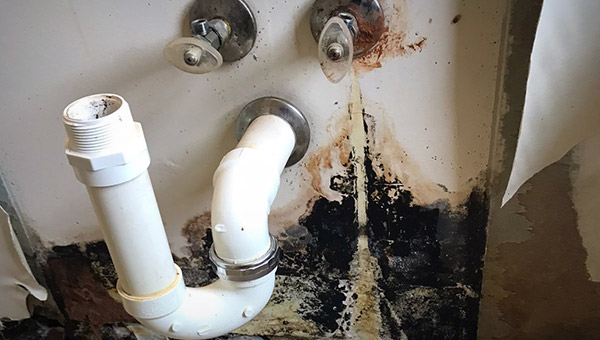
Lessons From Real Inspections: Hidden Mold Insights for Homes in Weston, Florida
If you live in Weston, chances are your home looks clean, modern, and well-maintained. That’s exactly why hidden mold catches so many homeowners here off guard. In real inspections, the biggest mold problems in Weston homes are rarely obvious—they’re tucked behind walls, cabinets, and HVAC systems, quietly growing for months before anyone realizes what’s happening.
This guide is built on lessons from real mold inspections in Weston, not assumptions or fear tactics. These are the patterns inspectors see repeatedly, what homeowners miss most often, and how small moisture issues turn into hidden mold problems over time.
Why Hidden Mold Is Common in Weston Homes
Weston homes aren’t immune to mold just because they’re newer or well cared for. In fact, inspections often show the opposite.
Common local factors include:
- High year-round humidity
- Tight, energy-efficient construction
- AC systems running most of the year
- Condensation inside walls and ductwork
- Small leaks that go unnoticed
Tightly sealed homes hold in cool air—but they also hold in moisture, creating ideal conditions for hidden mold.
Lesson #1: Most Mold Found in Inspections Is Not Visible
One of the most consistent inspection findings in Weston homes:
The majority of mold growth is hidden, not visible.
Inspectors frequently discover mold:
- Behind drywall with no visible staining
- Under cabinets that look perfectly dry
- Inside AC air handlers and ducts
- Behind bathroom walls with intact tile
By the time mold is visible, it’s often been growing for weeks—or longer.
Lesson #2: Musty Smells Are Early Warnings, Not “Nothing”
What homeowners say:
“It’s faint, and it comes and goes.”
What inspections reveal:
Intermittent musty odors are one of the earliest indicators of hidden mold.
In Weston homes, these smells are often strongest:
- When the AC turns on
- After heavy rain
- In closets or guest rooms
- Near bathrooms or AC closets
That smell isn’t normal humidity—it’s microbial activity.
Lesson #3: Small Leaks Cause More Mold Than Big Floods
Real inspection data shows:
- Slow, ongoing leaks cause more hidden mold than major water events
- Minor plumbing drips often go unnoticed for months
- Condensation can be just as damaging as a leak
Common hidden leak sources include:
- Sink supply lines
- Toilet seals
- Shower plumbing inside walls
- AC drain line backups
Because these leaks don’t always cause visible damage, mold grows quietly behind surfaces.
Lesson #4: HVAC Systems Are a Frequent Hidden Mold Source
In Weston inspections, HVAC systems are involved far more often than homeowners expect.
Inspectors commonly find mold:
- Inside air handler cabinets
- On evaporator coils
- In internally insulated ductwork
- Around clogged condensate drain pans
Because HVAC systems circulate air throughout the home, mold here creates house-wide exposure, even if growth is localized.
Lesson #5: High Humidity Alone Can Drive Hidden Mold
One of the biggest surprises for homeowners:
“There’s no leak—but there is mold.”
Inspection data confirms:
- Indoor humidity above 60% can support mold growth
- AC systems don’t always dehumidify effectively
- Mild, rainy days are especially problematic
Hidden mold often appears in:
- Closets on exterior walls
- Behind furniture
- Inside wall cavities with poor airflow
No leaks required—just persistent moisture.
Lesson #6: Allergy Symptoms Often Point to Hidden Mold
Many inspections begin with health complaints rather than visible mold.
Common homeowner reports include:
- Sneezing or coughing mainly at home
- Sinus pressure indoors
- Headaches that improve outside
- Asthma symptoms worsening indoors
When symptoms are tied to being inside the home, inspectors often uncover hidden mold sources affecting indoor air quality.
Where Inspectors Most Often Find Hidden Mold in Weston Homes
Based on real inspections, hidden mold commonly appears:
- Under kitchen and bathroom sinks
- Behind bathroom vanities and showers
- Inside AC closets and air handlers
- Behind baseboards after minor leaks
- In closets with poor ventilation
These areas stay dark, warm, and damp—perfect mold conditions.
Common Myths Inspectors See Proven Wrong
Myth #1: “My Home Is Too New for Mold”
Reality: Newer homes often trap moisture more efficiently.
Myth #2: “If I Can’t See It, It’s Not a Problem”
Reality: Airborne spores affect indoor air quality even when mold is hidden.
Myth #3: “Bleach Fixes Mold”
Reality: Bleach doesn’t penetrate drywall, wood, or insulation. Mold often returns.
What Happens When Hidden Mold Goes Unchecked
Inspection trends show:
- Mold spreads behind walls and cabinets
- HVAC systems become contaminated
- Removal becomes more invasive
- Costs increase significantly
Time—not mold type—is the biggest factor driving damage and cost.
What Inspectors Recommend (Based on Real Homes)
When early signs appear:
- Take recurring odors seriously
- Don’t disturb suspicious areas
- Address moisture and humidity immediately
- Monitor high-risk zones regularly
- Schedule professional inspection if signs persist
Early investigation almost always limits damage.
Prevention Tips That Work in Weston Homes
Inspection-backed prevention includes:
- Keeping indoor humidity below 60%
- Using bathroom exhaust fans consistently
- Maintaining AC drain lines
- Fixing small leaks immediately
- Improving airflow in closets and storage areas
- Periodic inspections of high-risk spaces
These steps target the cause—moisture—not just the symptoms.
Final Thoughts: Hidden Mold Is Manageable When You Know What to Look For
Lessons from real inspections in Weston show one clear truth: hidden mold problems don’t come out of nowhere. They develop slowly, quietly, and predictably when moisture goes unnoticed.
Homeowners who pay attention to early signs—smells, symptoms, dampness—catch issues while they’re still manageable. No panic. No fear tactics. Just informed action that protects indoor air quality, property value, and peace of mind.
