
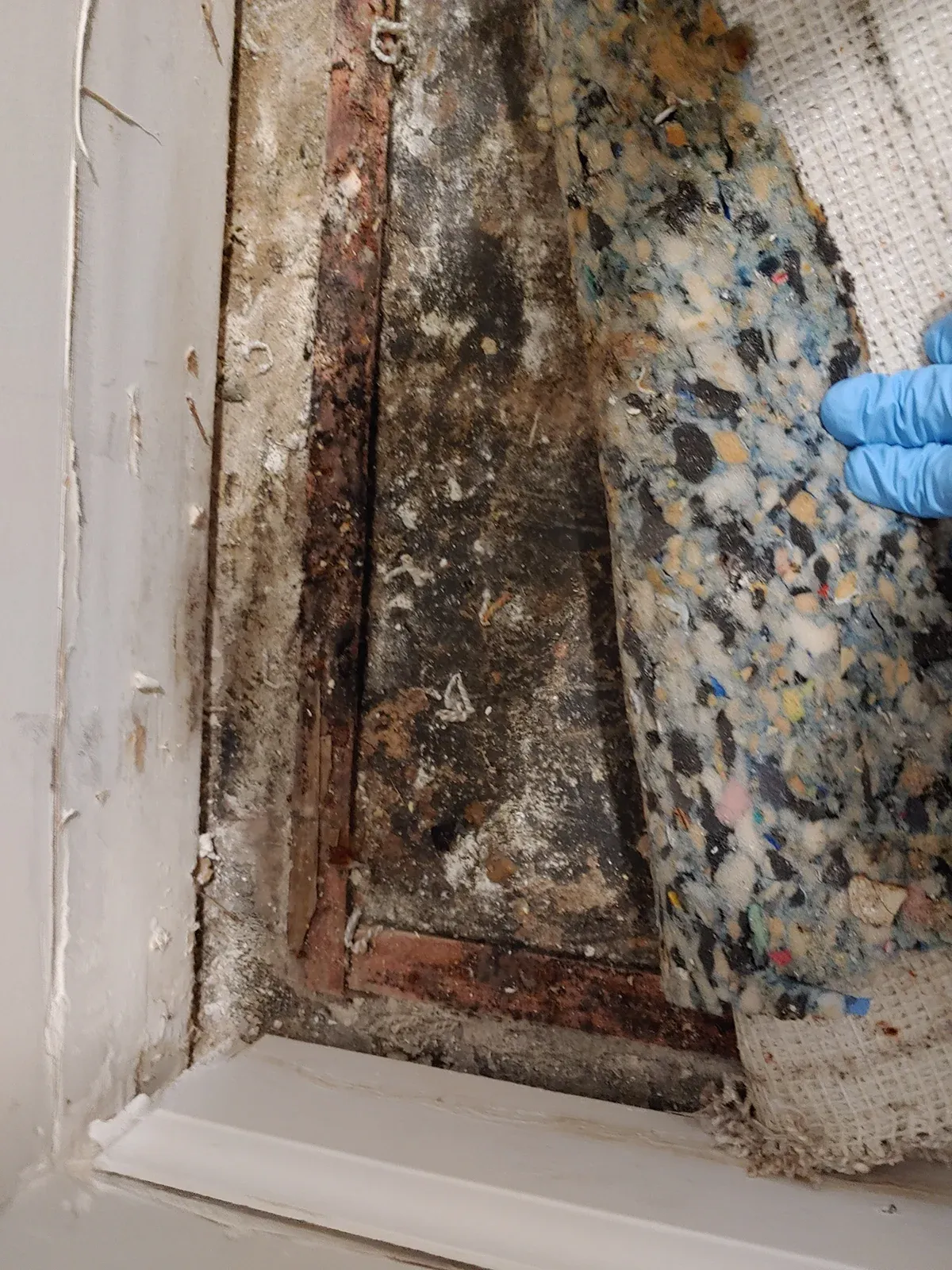
Why Mold Keeps Returning After DIY Cleaning – What We See Inside Homes for Homes in Deerfield Beach
DIY mold cleaning gives homeowners a false sense of victory. You scrub the spot, spray something strong, wipe it clean, and the wall looks brand new. Then a few weeks later—surprise—it’s back. After inspecting a long list of homes in Deerfield Beach, I can tell you this with certainty: mold doesn’t return because cleaning failed; it returns because cleaning never addressed the real problem.
This isn’t about blaming homeowners. Most people do exactly what seems logical. The issue is that mold doesn’t behave logically in humid Florida homes. It behaves predictably, and DIY cleaning rarely fits into that equation.
The Core Reason Mold Comes Back: Conditions Never Changed
Mold growth follows a simple formula:
- Moisture
- Organic material
- Time
DIY cleaning removes what you see. It does nothing about moisture, rarely touches hidden growth, and usually spreads spores in the process.
When conditions stay the same, mold never leaves. It just goes quiet for a bit.
What DIY Cleaning Actually Accomplishes
DIY cleaning works cosmetically. It improves appearance. It gives temporary relief.
What it does not do:
- Dry out wall cavities
- Lower indoor humidity
- Fix HVAC condensation
- Remove mold roots in porous materials
Homeowners think mold “returned.” In reality, it never stopped growing.
Why Deerfield Beach Homes Struggle With Repeat Mold
Humidity Never Takes a Break
Deerfield Beach homes sit in a near-constant humidity cycle. Even when the AC runs all day, moisture stays present.
That humidity:
- Slows drying behind walls
- Keeps surfaces damp longer
- Encourages condensation
DIY cleaning doesn’t change humidity. Mold responds accordingly.
Coastal Air Adds Extra Moisture Pressure
Salt air and coastal humidity push moisture into homes through tiny openings. That moisture accumulates in places homeowners never see.
By the time mold shows on a surface, conditions behind it usually stayed damp for weeks or months.
The Bleach Myth That Refuses to Die
Bleach remains the most common DIY mold weapon—and the most misunderstood.
Bleach:
- Does not penetrate porous materials
- Leaves moisture behind
- Often lightens stains without killing roots
On drywall, wood, or grout, bleach changes color, not conditions. Mold roots stay alive beneath the surface and regrow quickly.
Bleach cleans stains. It doesn’t solve mold problems.
Hidden Mold Makes DIY Cleaning Fail Every Time
Mold Rarely Lives Where You See It
Visible mold usually represents a fraction of the total growth.
During inspections, we regularly find hidden mold:
- Behind drywall
- Under baseboards
- Inside wall cavities
- Under flooring
- Inside HVAC systems
Homeowners clean one visible area while mold continues growing somewhere else. The regrowth feels sudden, but it’s just continuation.
HVAC Systems Re-Seed Cleaned Areas
When mold exists inside HVAC systems, it spreads spores daily.
That means:
- You clean the bathroom wall
- The AC runs
- Spores land on damp surfaces again
DIY cleaning can’t compete with contaminated airflow.
Condensation: The Moisture Source People Miss
Why Condensation Causes More Mold Than Leaks
Leaks draw attention. Condensation doesn’t.
Condensation forms when warm, humid air hits cooler surfaces. Inside walls and ducts, that happens quietly and repeatedly.
Common condensation sources include:
- Cold ductwork in hot spaces
- Poor duct insulation
- Short HVAC cycles
- Air leaks pulling humid air inside
DIY cleaning never addresses condensation, which is why mold keeps coming back.
Bathrooms: The Repeat Offender Zone
Steam Goes Where You Don’t See It
Hot showers release moisture fast. Without proper ventilation, that moisture migrates into walls and ceilings.
Mold regrowth often happens:
- Above showers
- On bathroom ceilings
- Behind tile and grout
Cleaning visible spots doesn’t remove moisture trapped behind surfaces.
Fans That Don’t Vent Properly
Many bathroom fans either vent into attics or move very little air.
A fan that makes noise but doesn’t exhaust moisture creates perfect mold conditions. DIY cleaning treats the symptom while ventilation failures keep feeding growth.
Why Mold Comes Back Faster Each Time
Mold Doesn’t Restart From Zero
When cleaning removes surface mold but leaves roots and moisture, regrowth accelerates.
That’s why homeowners say:
- “It came back worse”
- “It spread faster this time”
- “Nothing works anymore”
Each cycle leaves more contamination behind, not less.
Scrubbing Spreads Spores
Aggressive scrubbing without containment releases spores into the air.
Those spores settle on:
- Nearby walls
- Ceilings
- Furniture
- HVAC returns
DIY cleaning often expands the problem area without realizing it.
HVAC Systems: The Hidden Engine Behind Recurrence
Air Handlers Love Moisture
HVAC systems create condensation by design. Problems start when:
- Drain lines clog
- Drain pans rust
- Coils stay dirty
Moisture lingers inside the system and feeds mold growth.
Ductwork Distributes Mold Efficiently
Once mold enters ductwork, exposure becomes whole-home.
Every AC cycle:
- Lifts spores
- Circulates them
- Reintroduces contamination
DIY cleaning one room cannot outpace system-wide distribution.
Why “Mold-Resistant” Paint Doesn’t Save the Day
Mold-resistant paint slows surface growth. It does not stop moisture.
If humidity or condensation stays active, mold grows behind paint instead of on it. The wall looks clean longer, but contamination continues unseen.
Paint buys time. Moisture control buys solutions.
What We See During Professional Inspections
Moisture Always Shows Up
In Deerfield Beach inspections where mold keeps returning, moisture appears every time.
Common findings include:
- Elevated indoor humidity
- HVAC condensation issues
- Poor ventilation
- Leaky or poorly insulated ducts
Cleaning never fixes these conditions, which explains repeated failure.
Mold Rarely Exists in One Location
Homes with repeat mold issues almost always show multiple affected areas.
Examples include:
- Bathroom mold plus HVAC contamination
- Wall mold plus duct moisture
- Closet mold plus condensation issues
DIY cleaning treats one area while others stay active.
Why Repeated DIY Cleaning Costs More Long-Term
DIY cleaning feels cheaper upfront. Over time, it costs more.
Repeated attempts lead to:
- Ongoing product purchases
- Spreading contamination
- Larger affected areas
- Eventual professional remediation
Homes that address moisture early spend less overall than homes that clean repeatedly and delay root-cause fixes.
What Actually Stops Mold From Returning
Moisture Control Comes First
Mold stops growing when moisture stops feeding it.
Effective steps include:
- Controlling indoor humidity
- Maintaining HVAC systems
- Sealing and insulating ductwork
- Fixing condensation issues
- Venting moisture-producing rooms properly
Without these steps, mold always finds a way back.
HVAC Systems Must Be Part of the Solution
If HVAC systems stay contaminated, mold keeps reappearing.
Successful solutions evaluate:
- Air handlers
- Drain lines and pans
- Duct interiors
- Airflow balance
Ignoring the system guarantees reinfection.
When DIY Cleaning Is Actually Okay
DIY cleaning works when:
- The area is very small
- The surface is non-porous
- The moisture source already got fixed
If moisture stays unresolved, DIY cleaning only delays the inevitable.
FYI, recurring mold is your signal that cleaning is no longer the issue.
Lessons From Real Homes in Deerfield Beach
After years of inspections, one lesson stays consistent. Homes that focus on moisture control stop seeing mold return.
Homes that rely on repeated cleaning:
- Spend more
- Experience spreading contamination
- Deal with longer exposure
The difference isn’t effort. It’s understanding how mold behaves in humid homes.
What Homeowners Should Do Instead of Re-Scrubbing
If mold keeps coming back, shift strategy.
Smart next steps include:
- Checking indoor humidity
- Inspecting HVAC systems
- Evaluating ventilation
- Looking for condensation, not just leaks
- Scheduling inspections when patterns repeat
Cleaning should be the final step, not the first.
Final Thoughts: Mold Isn’t Persistent—Conditions Are
Mold doesn’t return because it’s stubborn. It returns because the environment still works in its favor. Homes in Deerfield Beach face constant humidity pressure, and DIY cleaning can’t fight physics.
Once homeowners stop scrubbing symptoms and start controlling moisture, mold loses its grip. What we see inside homes makes one thing clear: fix the conditions, and mold stops coming back.
