
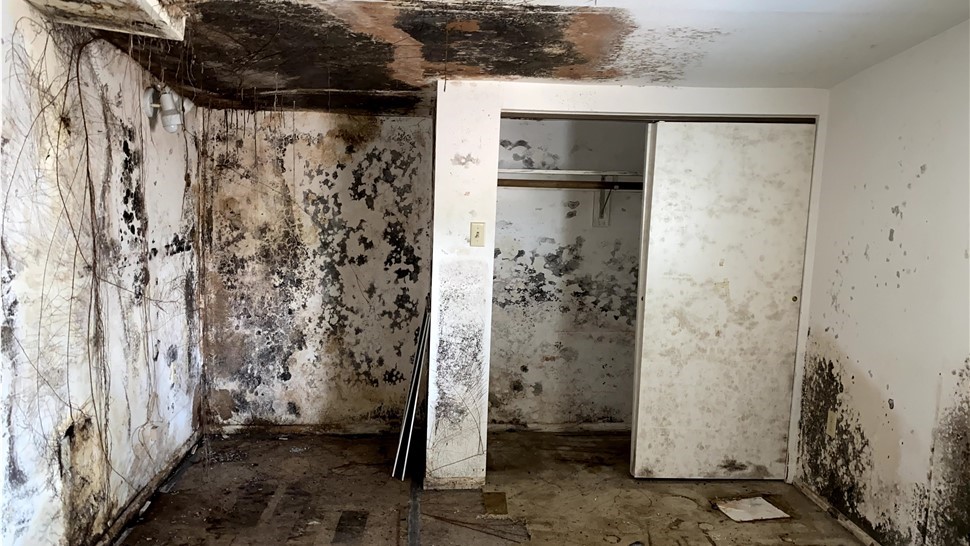
Why Mold Grows in Florida Homes – What Most People Get Wrong for Homes in Deerfield Beach
Ask ten homeowners why mold grows in Florida homes and you’ll hear the same answers on repeat. “Too much rain.” “Old houses.” “Bad luck.” After inspecting a lot of homes in Deerfield Beach, I can tell you something straight up: most people are wrong about why mold actually grows here.
Mold isn’t random, and it’s not picky. It follows conditions, not age, price, or how clean a home looks. Once you understand what really drives mold growth in Florida homes, the problem stops feeling mysterious and starts feeling manageable.
The Biggest Myth: Mold Needs Flooding or Leaks
This is the most common misconception we hear.
Yes, floods and leaks can cause mold. But in Deerfield Beach, most mold problems start without either. No burst pipes. No roof collapse. Just everyday moisture doing its thing quietly.
What actually causes most mold growth:
- High indoor humidity
- Condensation
- Poor airflow
- HVAC moisture issues
Leaks get noticed and fixed. Humidity and condensation get ignored, and that’s where mold wins.
Humidity Is the Real Villain (Not Rain)
Why Florida Humidity Changes Everything
Florida air holds a lot of moisture. That moisture doesn’t politely stay outside.
It moves indoors through:
- Doors and windows
- Attics
- Duct leaks
- Everyday air exchange
Once inside, that moisture settles into walls, ceilings, ducts, and insulation. Mold doesn’t need standing water. It needs materials that stay slightly damp for long periods, and Florida delivers that effortlessly.
Why “It Feels Fine” Means Nothing
Many homeowners assume if the house feels comfortable, humidity isn’t a problem.
Comfort temperature and moisture level aren’t the same thing. A home can feel cool and still have humidity high enough to support mold growth behind walls and inside HVAC systems.
This misunderstanding alone causes countless mold issues in Deerfield Beach homes.
The AC Myth That Refuses to Go Away
“The AC Takes Care of Humidity”
In theory, yes. In reality, not always.
Air conditioners remove moisture only when they run long enough. In many Florida homes, that doesn’t happen.
Oversized HVAC systems cool air fast and shut off early. The house reaches temperature quickly, but moisture stays behind. That short cycling creates:
- Damp indoor air
- Condensation on cold surfaces
- Moisture buildup inside ducts
The home feels great. Mold feels even better.
Cool air does not equal dry air, and that’s where most people get it wrong.
Condensation: Mold’s Favorite Moisture Source
Why Condensation Beats Leaks
Leaks cause damage fast. Condensation causes damage quietly.
Condensation forms when warm, humid air touches cooler surfaces. In Florida homes, that happens constantly:
- Inside ductwork
- On HVAC components
- Behind walls
- Under floors
Because condensation doesn’t drip dramatically, it rarely triggers alarms. It just keeps feeding mold day after day.
Where Condensation Hides Best
In Deerfield Beach homes, inspectors commonly find condensation-related mold:
- Inside air handlers
- On evaporator coils
- Inside duct insulation
- Behind bathroom walls
Homeowners never see it until odors, symptoms, or visible mold finally show up.
HVAC Systems: Mold’s Best Delivery System
Why Mold Loves HVAC Equipment
HVAC systems create condensation by design. That part is normal.
Problems start when:
- Drain lines clog
- Drain pans rust or crack
- Coils stay dirty
- Airflow becomes restricted
Moisture lingers inside the system. Dust provides food. Mold settles in comfortably.
How HVAC Systems Spread Mold
Once mold grows inside HVAC systems, exposure stops being localized.
Every time the system runs:
- Spores lift into the airflow
- Ducts distribute them room by room
- Exposure becomes whole-home
That’s why homeowners clean bathrooms and closets but still feel symptoms. The system keeps reintroducing mold into the air.
The “Old House” Myth
New Homes Grow Mold Too
Many people assume mold only affects older homes. Inspection data says otherwise.
Newer homes often grow mold faster because:
- They seal tightly
- They trap moisture
- They rely heavily on HVAC systems
Without proper ventilation and humidity control, moisture builds quickly in hidden spaces. Mold doesn’t care how new the drywall is.
Clean Homes Aren’t Immune Either
Mold doesn’t require dirt or neglect.
Dust alone provides enough organic material to feed mold once moisture is present. Even spotless homes generate dust daily.
Clean doesn’t mean dry, and dry is what actually matters.
Bathrooms and Kitchens: Where Mold Starts Quietly
Steam Moves Faster Than People Think
Hot showers and cooking release moisture fast. Without proper ventilation, that moisture doesn’t just disappear.
It moves into:
- Wall cavities
- Ceilings
- Cabinets
- Adjacent rooms
By the time surface mold appears, growth usually existed behind surfaces for a while.
Fans That Don’t Vent Properly
One of the most common issues we see in Deerfield Beach homes is bathroom fans that:
- Vent into attics
- Move very little air
- Shut off too quickly
A fan making noise doesn’t mean it’s removing moisture. False confidence lets mold grow unchecked.
Hidden Mold Is Why People Feel Confused
Mold Rarely Grows Where You Expect It
Visible mold is often just the tip of the problem.
Inspectors frequently find hidden mold:
- Behind drywall
- Under baseboards
- Inside closets
- Beneath flooring
- Inside ductwork
Homeowners clean what they see and feel frustrated when it comes back. In reality, the source never got addressed.
Odors and Symptoms Show Up First
Before mold becomes visible, people notice:
- Musty smells that come and go
- Allergy symptoms indoors
- Fatigue or headaches at home
These early signs get dismissed as “Florida living.” That delay gives mold time to spread.
What Most People Get Wrong About Mold Growth
Based on real inspections, these misunderstandings show up constantly:
- Thinking mold needs flooding
- Assuming AC controls humidity automatically
- Ignoring condensation
- Treating mold as a surface issue
- Waiting for visible growth
Each one delays action and increases cost.
Why Deerfield Beach Homes Are Especially Vulnerable
Humidity stays high most of the year. Homes don’t get many chances to dry out naturally.
That means:
- Moisture lingers longer
- Small issues escalate faster
- Hidden mold becomes common
This climate doesn’t forgive inattention. It rewards moisture control and punishes assumptions.
What Actually Prevents Mold Growth
You don’t need extreme solutions. You need consistent ones.
Effective prevention focuses on:
- Controlling indoor humidity
- Maintaining HVAC systems
- Fixing condensation issues early
- Sealing and insulating ductwork
- Venting moisture-producing rooms properly
Mold prevention works best when moisture control becomes routine, not reactive.
Why Cleaning Alone Never Solves Mold
Cleaning removes mold you can see. It does not:
- Dry hidden materials
- Lower humidity
- Stop condensation
- Prevent HVAC spread
That’s why mold “comes back.” It never left the conditions that allowed it to grow.
IMO, mold problems feel stubborn only until homeowners stop cleaning symptoms and start managing moisture.
Lessons From Real Homes in Deerfield Beach
Across inspections, the same lesson keeps repeating. Homes that control humidity and maintain HVAC systems experience fewer mold problems.
Homes that rely on cleaning, paint, or assumptions deal with recurring growth. The difference isn’t effort or cleanliness. It’s understanding how mold actually works in Florida homes.
Practical Takeaways Homeowners Can Use
Here’s the simple version without the fluff:
- Mold follows moisture
- Humidity causes more problems than leaks
- HVAC systems amplify exposure
- Condensation hides damage
- Early action costs less
That’s not opinion. That’s pattern recognition from real inspections.
Final Thoughts: Mold Isn’t Random—It’s Predictable
Mold grows in Florida homes for the same reasons over and over again. Homes in Deerfield Beach don’t struggle because they’re old, unlucky, or poorly kept. They struggle because moisture behaves differently here, and most people misunderstand it.
Once homeowners stop blaming rain and start managing humidity, airflow, and condensation, mold stops feeling inevitable. What most people get wrong about mold growth is exactly what gives mold the upper hand—and fixing that misunderstanding changes everything.
