
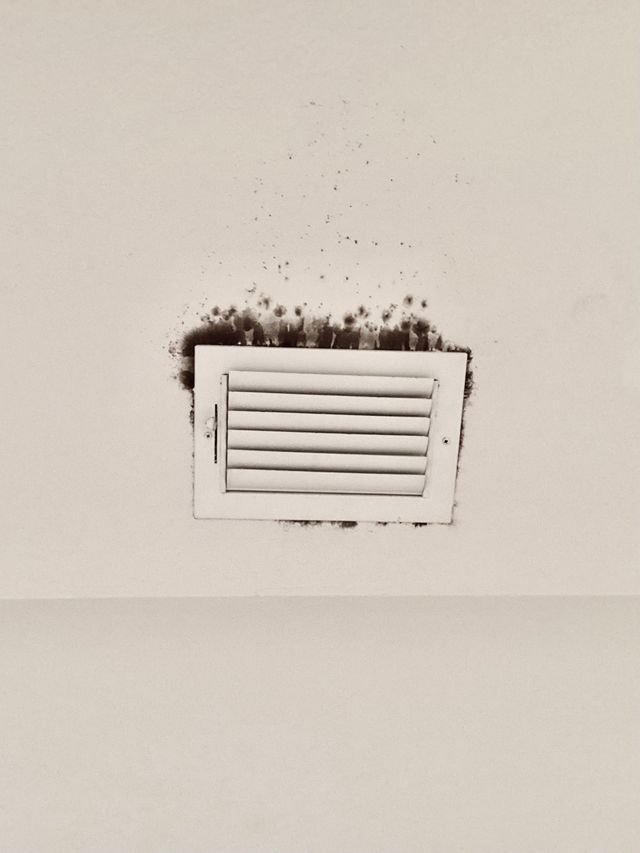
How Mold Spreads Through HVAC Systems – A Homeowner’s Guide for Homes in Oakland Park, Florida
If you live in Oakland Park, your HVAC system is one of the most important—and misunderstood—parts of your home. It cools, dehumidifies (when it’s doing its job), and moves air to every room. That last part is the catch: when mold gets into an HVAC system, it gains a direct path through the entire house.
This homeowner’s guide explains, in clear and practical terms, how mold spreads through HVAC systems, why it happens so often in Oakland Park homes, what early warning signs look like, and what actually stops the spread—without fear tactics or technical overload.
Why HVAC Systems Are a Common Mold Pathway in Oakland Park
Mold growth inside HVAC systems isn’t random. It’s the result of everyday Florida conditions:
- High year-round humidity
- Long AC run times
- Condensation during cooling cycles
- Air handlers located in closets or garages
- Ductwork that traps dust and moisture
HVAC systems naturally remove moisture from warm air. When that moisture doesn’t drain or dry properly, mold has everything it needs to grow—and a fan to move it everywhere.
Where Mold Usually Starts Inside HVAC Systems
Based on real inspections in Oakland Park homes, mold most often begins in these areas:
1) Evaporator Coils
Cold coils pull moisture from the air. Dirty coils or restricted airflow stay wet longer, allowing mold to take hold.
2) Air Handler Cabinets
Often hidden in closets, these cabinets can trap condensation—especially when airflow is limited.
3) Condensate Drain Lines & Pans
Clogs, algae buildup, or poor slope let water sit. Standing water is one of the most reliable mold triggers.
4) Internally Insulated or Flexible Ducts
Insulation holds moisture and dust. Once spores enter, growth can spread along the duct interior.
How Mold Actually Spreads Through the System
Mold doesn’t crawl through ducts—it spreads by microscopic spores. Here’s the real sequence:
- Mold grows on a damp HVAC component
- Spores release into moving air
- The blower distributes spores through ductwork
- Spores exit vents into living spaces
- Spores settle in other damp areas and grow
That’s why homeowners often notice house-wide odors or symptoms, even if the original growth is limited to one component.
Early Warning Signs Homeowners Often Miss
HVAC mold rarely announces itself loudly. Watch for:
- Musty or sour odor when the AC turns on
- Smell strongest near vents or the AC closet
- Condensation on vent covers or ceilings
- Filters clogging faster than normal
- Allergy or respiratory symptoms that improve outside
If the odor appears only when the system runs, the HVAC is a prime suspect.
Common Myths That Let HVAC Mold Spread
Myth: “If my AC cools, it’s healthy.”
Reality: Cooling performance doesn’t equal cleanliness. Mold can thrive in a perfectly cooling system.
Myth: “Changing filters prevents mold.”
Reality: Filters catch particles—not moisture. Mold grows downstream where condensation occurs.
Myth: “Sprays or fogging fix HVAC mold.”
Reality: Chemicals don’t remove embedded growth or correct moisture problems. Regrowth is common.
Why DIY HVAC Mold Cleaning Often Backfires
Scrubbing vents or spraying disinfectants without containment can:
- Release spores into the air
- Spread contamination through ductwork
- Make a localized issue house-wide
Professionals focus on control first, removal second—isolating affected areas and managing airflow before disturbing growth.
How HVAC Mold Affects Indoor Air Quality
Because HVAC systems circulate air continuously:
- Spores move room to room
- Odors linger even after cleaning
- Exposure becomes consistent
Homeowners often report headaches, sinus pressure, fatigue, or worsening allergies that improve when they leave the house—classic signs of an HVAC-related issue.
What Actually Stops the Spread (Expert-Backed)
1) Control Moisture First
No moisture = no mold growth. Focus on:
- Clear, properly sloped drain lines
- Clean drain pans and coils
- Correct airflow (no blocked returns/supplies)
- Proper system sizing and run times
- Keeping indoor humidity below 60%
2) Identify the Source, Not Just the Smell
Vent odors usually mean growth inside the system—not on the vent cover.
3) Use Proper Containment During Removal
Isolation and HEPA filtration prevent spores from spreading during work.
4) Be Honest About Duct Materials
Some ducts can be cleaned. Internally insulated or flex ducts often need replacement if contaminated.
When Oakland Park Homeowners Should Act
Act early if:
- Odors persist after basic cleaning
- Mold keeps returning near vents
- Humidity stays high despite AC use
- Condensation is visible near HVAC components
- Symptoms worsen indoors
Early action usually means simpler, less invasive fixes. Waiting often leads to duct replacement or larger remediation.
Prevention Tips That Hold Up in Oakland Park Homes
Consistent prevention includes:
- Routine HVAC maintenance (coils, drains, airflow)
- Managing humidity below 60%
- Using bathroom exhaust fans to reduce moisture load
- Fixing small leaks immediately
- Periodic inspections—especially before peak summer
Prevention is about environmental control, not chemicals.
Final Thoughts: Understanding the Path Stops the Problem
In Oakland Park homes, HVAC systems don’t just move cool air—they move whatever’s inside them. When mold enters the system, it spreads quietly and efficiently. The good news? Once you understand how mold spreads, it’s much easier to stop.
