
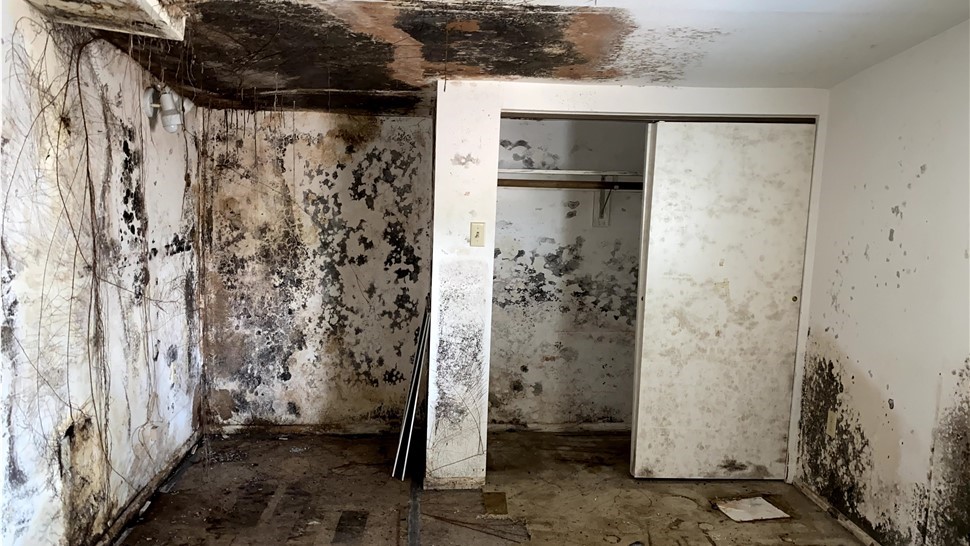
What We See Inside Homes: Black Mold Insights for Homes in North Lauderdale
When homeowners in North Lauderdale hear the term “black mold,” reactions usually fall into two extremes: either complete panic or total dismissal. What we actually see inside homes during real inspections tells a much more practical, grounded story. Black mold is not rare in South Florida, but it is also not random, mysterious, or inevitable. It follows patterns—very clear ones—driven by moisture, airflow, and how homes are built and lived in.
This article breaks down what professionals consistently observe inside North Lauderdale homes, based on real inspections and real conditions, not myths or scare tactics.
What “Black Mold” Usually Means in North Lauderdale Homes
In everyday conversations, “black mold” typically refers to dark-colored mold growth on walls, ceilings, vents, or HVAC components. During inspections in North Lauderdale, black or dark green mold is commonly found, but color alone is never the deciding factor in how serious a problem is.
What actually matters is:
- How long the mold has been growing
- Whether moisture is still present
- If mold is affecting indoor air quality
- Where the growth is located
Many black-looking molds are common indoor species. Problems arise when mold is allowed to grow unchecked over time or when it spreads through HVAC systems.
Why Black Mold Is So Common in North Lauderdale
North Lauderdale’s climate plays a major role. Homes here experience:
- High humidity most of the year
- Frequent air conditioning use
- Limited natural ventilation
- Warm temperatures that never truly drop
What we see repeatedly is not neglect, but trapped moisture. Even clean, well-maintained homes can develop black mold when humidity stays elevated or moisture sources go unnoticed.
Inspection data shows that many homeowners were unaware of moisture issues until mold became visible.
Where Black Mold Is Most Often Found Inside Homes
Black mold in North Lauderdale homes appears in very predictable locations. The most common areas include:
- Inside HVAC air handlers and on evaporator coils
- Behind bathroom walls near showers and tubs
- Under sinks with slow plumbing leaks
- Inside closets along exterior walls
- Around windows and sliding glass doors
One important pattern stands out: visible mold is rarely the full problem. In many cases, mold is growing behind walls or inside ductwork long before it appears on the surface.
The Moisture Sources We See Over and Over
Every black mold case we inspect traces back to moisture. Without moisture, mold cannot grow. In North Lauderdale homes, the most frequent moisture sources include:
- High indoor humidity levels
- HVAC condensation leaks or clogged drain lines
- Poor bathroom ventilation
- Roof or window leaks after storms
- Old water damage that was never fully dried
Slow, hidden moisture issues are far more common than major flooding events. Small leaks that go unnoticed for months create perfect conditions for mold.
HVAC Systems: A Major Contributor to Black Mold
HVAC systems are one of the biggest hidden factors in black mold problems. During inspections in North Lauderdale, HVAC-related mold issues show up again and again.
Common findings include:
- Mold growth on coils and blower components
- Damp insulation inside air handlers
- Condensation buildup inside ductwork
- Mold spores circulating through supply vents
When mold is present in the HVAC system, it can affect air quality throughout the entire home, even if visible mold appears limited to one area.
What Homeowners Notice Before Mold Is Found
Many homeowners don’t start looking for mold because they see it—they start because they feel something is off. Before visible mold is discovered, common complaints include:
- Musty or damp odors that come and go
- Allergy symptoms that worsen indoors
- Sinus congestion or throat irritation at home
- Headaches or fatigue that improve outside
These symptoms often correlate with elevated mold spore levels in indoor air, even when surface growth appears minimal.
Why DIY Black Mold Cleaning Almost Always Fails
One of the most consistent patterns we see is repeated DIY cleaning. Homeowners scrub visible mold, repaint surfaces, or use household cleaners—only to see mold return.
DIY efforts usually fail because:
- Moisture sources are never corrected
- Mold inside walls or HVAC systems is missed
- Cleaning spreads spores without containment
- Household products do not remove contamination
In homes with recurring black mold problems, there is almost always a history of surface cleaning without moisture control.
What Works When Black Mold Is Properly Addressed
Homes that resolve black mold issues long term follow the same practical steps. Successful outcomes usually include:
- Identifying and fixing moisture sources
- Controlling indoor humidity levels
- Removing contaminated materials when necessary
- Cleaning or treating HVAC components
- Verifying results with follow-up testing
When moisture and airflow are addressed, mold does not simply “come back.”
The Role of Humidity in North Lauderdale Homes
Humidity control is one of the biggest factors separating homes with recurring mold from homes without it. Many North Lauderdale homes maintain indoor humidity above recommended levels without homeowners realizing it.
What we consistently see is that homes with controlled humidity experience far fewer mold problems—even when other conditions are similar.
Simple steps like monitoring humidity, improving ventilation, and maintaining HVAC systems make a measurable difference over time.
When a Professional Inspection Makes Sense
Not every dark spot requires major remediation, but uncertainty is where problems grow. A professional inspection helps determine:
- Whether mold is active or dormant
- Where moisture is coming from
- Whether growth is hidden behind surfaces
- How indoor air quality is affected
In North Lauderdale, inspections are especially valuable because mold often develops out of sight.
What Homeowners in North Lauderdale Should Take Away
Based on what we consistently see inside homes, a few key points stand out:
- Black mold is a moisture problem first
- Color alone does not define severity
- HVAC systems are a common hidden source
- DIY cleaning rarely prevents recurrence
- Early action leads to simpler solutions
Understanding these realities helps homeowners respond calmly and effectively, without fear or denial.
A Clear, Practical Approach to Black Mold in North Lauderdale
Black mold is not something to ignore—but it is also not something to panic over. What we see inside homes in North Lauderdale shows that mold follows predictable patterns and responds well to proper moisture control and informed action.
When homeowners focus on facts instead of myths, black mold becomes a manageable issue rather than an ongoing battle. With the right evaluation and practical steps, homes can remain healthy, comfortable, and free from recurring mold problems.
