
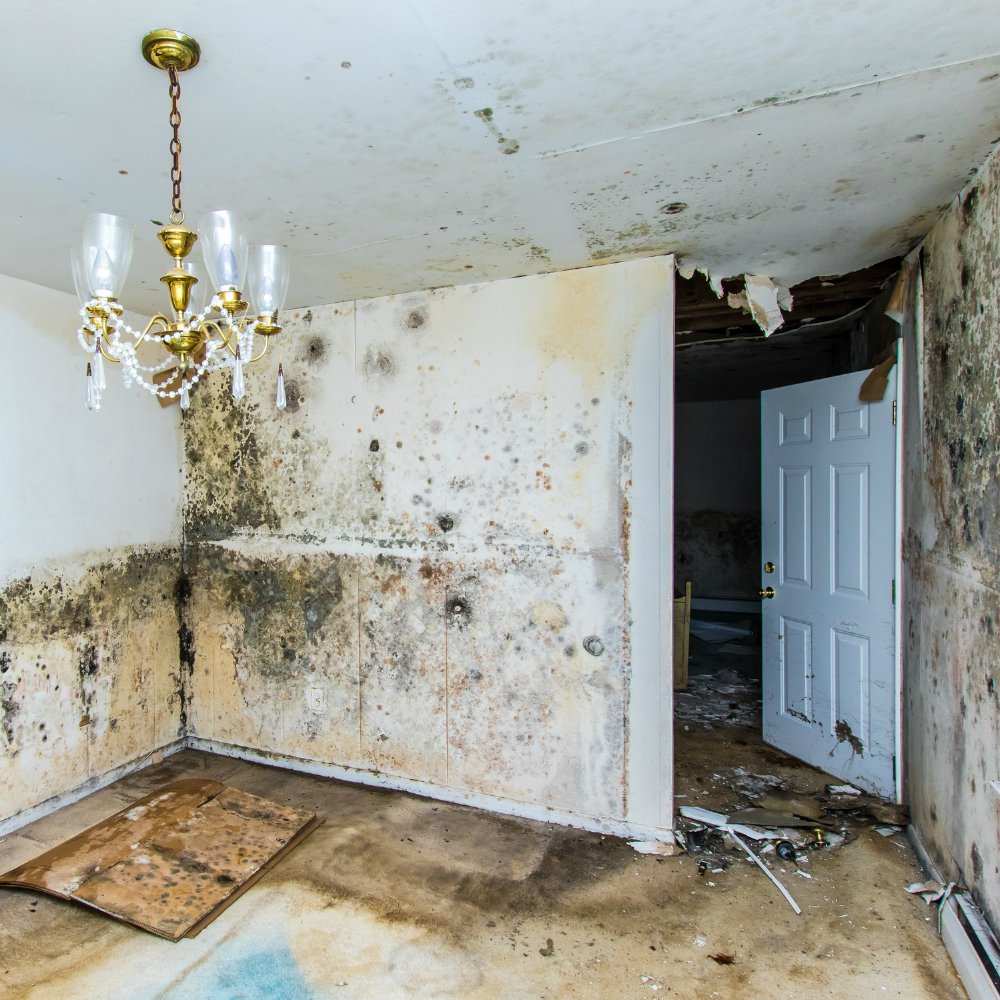
Health Effects of Long-Term Mold Exposure – What We See Inside Homes for Homes in Pompano Beach
Long-term mold exposure doesn’t usually trigger panic. It triggers confusion. People feel “off” for months, sometimes years, and never connect the dots. After inspecting many homes in Pompano Beach, one thing stands out clearly: the health effects show up long before homeowners realize mold is involved.
This isn’t about worst-case scenarios or dramatic claims. It’s about what we consistently see inside real homes, how long-term exposure actually affects people, and why symptoms often linger until the environment changes—not just the medicine.
Why Long-Term Exposure Matters More Than People Think
Short-term mold exposure often causes mild irritation that fades quickly. Long-term exposure behaves very differently.
When mold exposure happens day after day:
- The body doesn’t “get used to it”
- Symptoms tend to stack instead of disappear
- Sensitivity often increases over time
The key factor isn’t mold color or type. It’s duration. Moderate exposure over a long period causes more issues than brief exposure to a larger problem that gets fixed quickly.
The Most Common Health Complaints We Hear During Inspections
Chronic Congestion That Never Fully Clears
This is the most frequent complaint we hear in mold-affected homes.
Homeowners describe:
- Constant stuffy nose
- Post-nasal drip
- Pressure that never fully goes away
They often try allergy meds, nasal sprays, and air fresheners. Relief stays partial because the exposure source never changes.
Persistent Coughing or Throat Irritation
Long-term mold exposure irritates airways slowly.
People report:
- A dry cough that lingers
- Throat irritation indoors
- Needing to clear their throat often
Because symptoms aren’t severe, people assume they’re harmless. Over time, irritation becomes the new normal.
Allergy Symptoms That Gradually Get Worse
Why Mold Makes Allergies Feel “Different”
Mold exposure doesn’t always create allergies from scratch. More often, it amplifies existing sensitivities.
Common patterns include:
- Sneezing that becomes daily
- Itchy eyes mainly at home
- Sinus pressure that never fully resolves
Homeowners often say, “My allergies just seem worse lately.” That “lately” often lines up with ongoing indoor exposure.
Why Symptoms Improve Outside the Home
This pattern shows up constantly during inspections.
People feel:
- Better outdoors
- Better while traveling
- Worse after returning home
That contrast strongly suggests indoor air quality issues, not seasonal pollen alone.
Asthma and Long-Term Mold Exposure
Mold Doesn’t Cause Asthma—but It Makes It Harder to Control
Mold exposure frequently worsens asthma symptoms.
In Pompano Beach homes with mold issues, asthmatic residents often experience:
- More frequent flare-ups
- Increased inhaler use
- Nighttime breathing issues
Once exposure drops, many report improved control even without changing medication.
Children and Seniors Show Symptoms First
Kids and older adults tend to react sooner. Their respiratory systems don’t tolerate prolonged irritants as well.
In many homes, one family member struggles while others feel fine. That doesn’t mean mold isn’t present. It means sensitivity varies.
Fatigue, Headaches, and Mental Fog
Symptoms People Rarely Blame on Mold
Not all mold-related health effects feel respiratory. This catches homeowners off guard.
Long-term exposure often links to:
- Ongoing fatigue
- Frequent headaches
- Trouble concentrating
- Poor sleep quality
People blame stress, work schedules, or screens. Meanwhile, the body stays mildly inflamed from daily exposure.
Why These Symptoms Don’t Go Away Easily
When exposure continues:
- The immune system stays activated
- Sleep quality suffers
- Energy levels drop
The body never fully resets. That’s why people feel run-down even after rest or vacations—until they return home.
Skin and Eye Irritation From Ongoing Exposure
Subtle, Persistent Reactions
Skin symptoms don’t always look dramatic.
We often hear about:
- Itchy skin with no clear cause
- Red or irritated eyes indoors
- Dryness that improves outside
These symptoms rarely trigger mold suspicion on their own, but they fit the exposure pattern when combined with others.
Why Pompano Beach Homes See Long-Term Exposure More Often
Humidity Creates Consistent Exposure Conditions
Pompano Beach homes deal with high humidity most of the year. Homes rarely get extended dry-out periods.
That means:
- Mold stays active longer
- Spore release stays consistent
- Exposure doesn’t get natural breaks
Long-term exposure builds quietly in this climate.
HVAC Systems Turn Exposure Into a Daily Cycle
When mold grows inside HVAC systems, exposure becomes routine.
Every cooling cycle:
- Circulates spores
- Reintroduces irritants
- Extends exposure duration
This explains why symptoms feel constant rather than episodic.
Hidden Mold Drives Most Health Complaints
Visible Mold Is Rarely the Full Story
Visible mold often represents a small portion of what’s actually present.
During inspections, hidden mold commonly appears:
- Inside ductwork
- Inside air handlers
- Behind drywall
- Under flooring
Health symptoms often show up months before visible mold appears.
Odors Appear Late in the Process
Musty smells usually develop after exposure already started affecting health. Waiting for odor delays action.
By the time smells become obvious, mold often spread beyond one location.
Why Symptoms Don’t Resolve on Their Own
The “I’ll Adjust” Assumption
Some homeowners expect their bodies to adapt. In reality, prolonged exposure often increases sensitivity.
The immune system doesn’t calm down. It reacts faster.
Medication Treats Symptoms, Not Exposure
Allergy and asthma medications reduce reactions. They don’t remove mold spores from the air.
Many homeowners increase medication use while exposure stays unchanged. Relief stays incomplete because the trigger remains present.
Reducing exposure improves symptoms more than managing reactions alone.
Inspection Patterns That Match Health Complaints
Across Pompano Beach inspections, patterns repeat.
Homes with long-term exposure often show:
- Elevated indoor humidity
- HVAC condensation issues
- Poor ventilation
- Hidden mold growth
Once moisture and airflow get corrected, many residents notice gradual improvement. Not instant, but steady.
Why Testing and Inspections Matter for Health
Symptoms Don’t Reveal the Source
Health complaints suggest a problem but don’t identify where it’s coming from.
Inspections help determine:
- Mold locations
- Exposure pathways
- HVAC involvement
- Scope of growth
Without this information, homeowners guess—and guessing prolongs exposure.
Long-Term Problems Need Consistent Solutions
One-time cleaning doesn’t fix long-term exposure.
Health improvements last when:
- Moisture sources get corrected
- HVAC systems get addressed
- Ventilation improves
- Humidity stays controlled
Consistency matters more than intensity.
Common Health-Related Misunderstandings We See
Based on inspections, these beliefs delay solutions:
- Expecting dramatic symptoms
- Waiting for visible mold
- Assuming medication solves the issue
- Ignoring HVAC systems
- Treating mold as a surface problem
Long-term exposure thrives on dismissal and delay.
Who Faces Higher Risk From Long-Term Exposure
Some residents react more strongly:
- Asthma sufferers
- Allergy-sensitive individuals
- Elderly residents
- Young children
- People with weakened immune systems
For these groups, even moderate exposure matters more.
Practical Steps That Reduce Health Risk
You don’t need extreme measures. You need control.
Effective steps include:
- Monitoring indoor humidity
- Maintaining HVAC systems
- Addressing condensation early
- Venting moisture-producing rooms properly
- Investigating persistent symptoms sooner rather than later
FYI, early action usually reduces both health complaints and repair costs.
Lessons From Real Homes in Pompano Beach
Across inspections, one lesson stays consistent. Homes that reduce moisture and exposure see fewer ongoing health complaints.
Homes that delay action often cycle through medications, cleaning attempts, and frustration before addressing the real cause.
IMO, most mold-related health issues feel confusing only until exposure drops.
Final Thoughts: Long-Term Exposure Explains Long-Term Symptoms
Long-term mold exposure doesn’t announce itself loudly. It shows up as “little things” that never quite go away. Homes in Pompano Beach face constant humidity pressure, which makes prolonged exposure more likely when moisture stays unmanaged.
The biggest takeaway from real inspections stays simple. When exposure decreases, symptoms often follow. Addressing mold early protects more than drywall and ducts—it protects the people living inside the home.
