
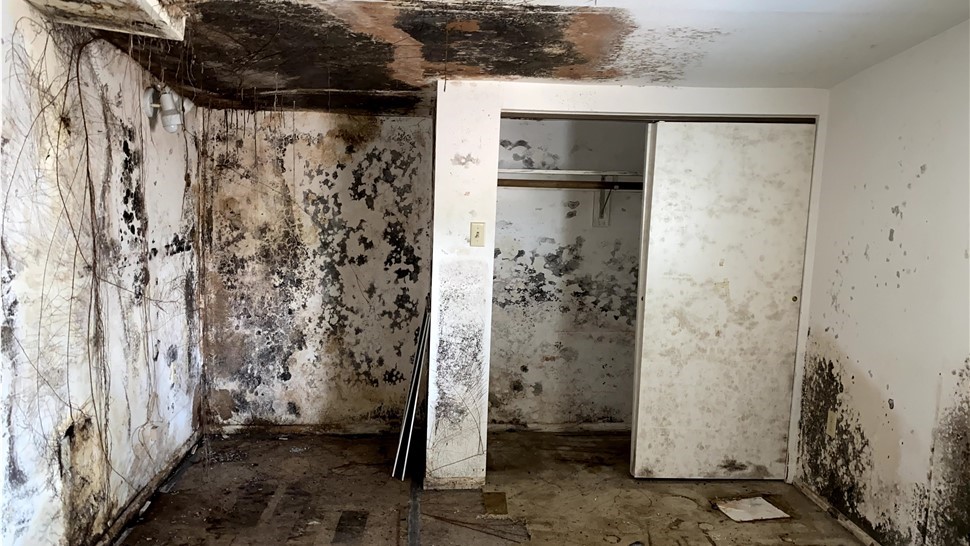
A Homeowner’s Guide: Hidden Mold Insights for Homes in Davie
Hidden mold is one of the most common—and most frustrating—problems homeowners face in Davie, Florida. Unlike visible mold on walls or ceilings, hidden mold develops quietly behind surfaces, inside HVAC systems, and under flooring, often going unnoticed for months or even years. By the time symptoms appear or odors become obvious, the issue has usually been present far longer than expected.
Based on real inspections across Davie and Broward County, hidden mold follows clear patterns. This guide explains where it hides, why it develops, and what homeowners should realistically know—without fear tactics or guesswork.
What “Hidden Mold” Really Means in Davie Homes
Hidden mold refers to mold growth that exists out of sight, not necessarily out of reach. In Davie homes, this often includes mold behind drywall, inside air handlers, within ductwork, under tile flooring, or inside insulation. Because it is not visible, many homeowners assume mold is not present until secondary signs appear.
The key issue with hidden mold is not secrecy—it’s time. The longer moisture remains unchecked, the longer mold has to grow and spread before it’s discovered.
Why Hidden Mold Is So Common in Davie
Davie’s climate makes hidden mold especially likely. Warm temperatures, high humidity, frequent rain, and year-round air conditioning create ideal conditions for moisture to linger indoors. Homes are often sealed tightly to keep cool air in, which reduces natural ventilation and traps humidity.
Inspections in Davie consistently show that hidden mold develops not because homes are dirty, but because moisture stays trapped where homeowners cannot see it.
The Most Common Places Hidden Mold Is Found
Real inspection data from Davie homes reveals predictable locations where hidden mold tends to develop.
The most frequent areas include:
- Behind bathroom walls near showers and tubs
- Inside HVAC air handlers and duct insulation
- Under kitchen and bathroom sinks with slow leaks
- Beneath tile or laminate flooring after water exposure
- Inside closets along exterior walls
- Around windows and sliding glass doors
In many cases, visible mold is only discovered after hidden growth has already spread behind surfaces.
Moisture: The Root Cause in Nearly Every Case
Hidden mold does not appear without moisture. In Davie homes, inspections repeatedly trace mold growth back to a small number of moisture-related issues.
The most common include:
- High indoor humidity levels
- HVAC condensation leaks or clogged drain lines
- Poor bathroom ventilation
- Roof or window leaks after storms
- Past water damage that was dried but not properly treated
Slow, unnoticed moisture problems are far more common than dramatic flooding events. A minor leak behind a wall can feed mold for months without any visible signs.
Why Hidden Mold Often Shows Up Long After Water Damage
One of the most confusing aspects for homeowners is when mold appears long after a water issue seemed resolved. Inspection data explains why this happens.
Water can soak into drywall, insulation, or subflooring and remain damp long after surfaces feel dry. In Davie’s humid environment, these materials may never fully dry without professional intervention. Mold spores then activate quietly and spread over time.
By the time odors, staining, or air quality issues appear, the original water event may be long forgotten.
HVAC Systems: A Major Hiding Place for Mold
HVAC systems are one of the most overlooked sources of hidden mold in Davie homes. Because air handlers and ductwork operate in cool, damp conditions, they are especially vulnerable to mold growth.
Common findings during inspections include:
- Mold on evaporator coils
- Damp insulation inside air handlers
- Mold growth inside ductwork
- Spores circulating through supply vents
When mold is present in the HVAC system, it can affect indoor air quality throughout the entire home—even if growth is not visible anywhere else.
Signs Homeowners Notice Before Mold Is Found
Hidden mold often announces itself indirectly. Before any mold is seen, Davie homeowners frequently report:
- Persistent musty or damp odors
- Allergy symptoms that worsen indoors
- Sinus congestion or throat irritation at home
- Headaches or fatigue that improve outside
These symptoms often correlate with elevated mold spore levels in indoor air, even when no surface mold is visible.
Why DIY Cleaning Rarely Solves Hidden Mold Problems
DIY cleaning is one of the biggest reasons hidden mold continues to be a problem. Scrubbing visible areas or using household cleaners does not address mold growing behind walls or inside HVAC systems.
Inspection data shows DIY efforts fail because:
- Moisture sources remain uncorrected
- Hidden growth is never addressed
- Cleaning spreads spores without containment
- Household products do not remove contamination
Homes with recurring mold issues almost always have a history of surface-level cleaning without proper moisture control.
How Professional Inspections Identify Hidden Mold
Professional mold inspections in Davie focus on finding what homeowners cannot see. This typically includes:
- Measuring indoor humidity levels
- Using moisture meters on walls and flooring
- Inspecting HVAC systems and ductwork
- Conducting air sampling when appropriate
- Identifying past or active water intrusion
This approach explains why mold is present, not just where it appears.
What Successful Mold Resolution Has in Common
Homes that successfully resolve hidden mold issues share similar steps:
- Moisture sources are identified and repaired
- Indoor humidity is brought under control
- Contaminated materials are removed when necessary
- HVAC systems are cleaned or treated
- Results are verified through follow-up testing
When these steps are followed, follow-up inspections typically show no active mold growth and improved indoor air quality.
The Role of Humidity Control in Davie Homes
Humidity control is one of the most important long-term factors. Many Davie homes operate above recommended indoor humidity levels without homeowners realizing it.
Homes that monitor and manage humidity experience far fewer mold problems, even when other conditions are similar. Consistent HVAC maintenance, proper ventilation, and awareness make a measurable difference.
When Homeowners Should Take Action
Not every concern means hidden mold is present, but uncertainty is a signal. Homeowners in Davie should consider further evaluation when:
- Musty odors persist
- Symptoms worsen indoors
- Water damage occurred in the past
- Mold keeps returning after cleaning
- HVAC systems show signs of moisture
Early evaluation almost always leads to simpler, less disruptive solutions.
A Clear, Practical Path Forward for Davie Homeowners
Hidden mold is not a mystery, and it is not something to ignore. What inspections in Davie show consistently is that mold follows moisture, spreads quietly, and responds well to informed action.
By understanding where hidden mold develops and why it appears, homeowners can move forward confidently—without panic or denial. With proper moisture control, professional insight, and timely action, hidden mold becomes a manageable issue, not an ongoing problem.
For homeowners in Davie, knowledge is the most effective first step toward protecting both the home and the air you breathe every day.
