
Mold and Allergies: What Homeowners Should Know – What the Data Tells Us for Homes in Pembroke Pines
For many homeowners in Pembroke Pines, persistent allergy symptoms are often blamed on pollen, pets, or seasonal changes. However, inspection and air quality data from homes across Broward County tells a different story. In a large number of cases, indoor mold—often hidden and long-standing—is a major contributor to allergy-like symptoms inside the home.
Understanding how mold affects allergies, what the data actually shows, and why Pembroke Pines homes are particularly vulnerable can help homeowners take informed, practical action without fear or misinformation.
What the Data Shows About Mold and Allergies
Across hundreds of inspections in Pembroke Pines, a clear pattern appears: homes with elevated indoor mold levels frequently correlate with reported allergy symptoms. Air sampling data often shows higher mold spore counts indoors than outdoors, especially in homes with humidity or ventilation issues.
Homeowners commonly report:
- Sneezing or congestion that worsens indoors
- Itchy eyes or throat irritation at home
- Sinus pressure that improves when leaving the house
- Fatigue or headaches without a clear cause
The data does not suggest that mold causes sudden illness, but it consistently shows that long-term exposure to mold-contaminated indoor air can aggravate allergies and respiratory sensitivity.
Why Pembroke Pines Homes Are at Higher Risk
Pembroke Pines shares the same climate challenges seen throughout South Florida, but certain housing patterns increase risk. Many homes rely heavily on central air conditioning, remain closed most of the year, and experience high indoor humidity without homeowners realizing it.
Contributing factors include:
- Year-round warm temperatures
- High outdoor humidity
- Limited natural ventilation
- Frequent AC use that cools air faster than it dehumidifies
Inspection data shows that many Pembroke Pines homes operate above recommended indoor humidity levels for extended periods, creating ideal conditions for mold growth—even without visible water damage.
How Mold Triggers Allergy Symptoms
Mold affects allergies primarily through airborne spores and fragments, not just visible growth. When mold is present in a home, microscopic spores become part of the indoor air you breathe.
Data from air sampling shows that these spores:
- Stay airborne longer in humid conditions
- Circulate easily through HVAC systems
- Accumulate indoors when ventilation is limited
For people with allergies, asthma, or sensitivities, this exposure can trigger symptoms similar to seasonal allergies—but without seasonal relief.
Where Mold Commonly Hides in Pembroke Pines Homes
One of the most important insights from inspection data is that mold affecting allergies is often not visible.
The most common hidden locations include:
- Inside HVAC air handlers and duct insulation
- Behind bathroom walls near showers
- Under sinks with slow plumbing leaks
- Inside closets along exterior walls
- Beneath flooring after past water exposure
Homes with mold in HVAC systems show some of the highest indoor spore counts, which helps explain why symptoms often affect the entire household.
Humidity: The Strongest Predictor in the Data
When comparing homes with and without allergy complaints, humidity stands out as the strongest predictor. Homes with consistently high indoor humidity show significantly higher mold spore levels in air samples.
In Pembroke Pines inspections, mold is rarely linked to dirt or neglect. Instead, it is almost always tied to moisture that stays too long, whether from humidity, condensation, or minor leaks.
Even clean homes with new flooring and updated kitchens can develop mold if moisture control is poor.
Why Allergies Persist Even After Cleaning
A common frustration homeowners report is ongoing allergy symptoms despite regular cleaning. Data explains why this happens.
Surface cleaning removes dust and visible mold, but it does not address:
- Mold inside walls or HVAC systems
- Spores circulating through ductwork
- Moisture feeding hidden growth
Homes with recurring allergy complaints often show a history of cleaning efforts without moisture correction or air quality evaluation.
HVAC Systems and Allergy-Related Mold Exposure
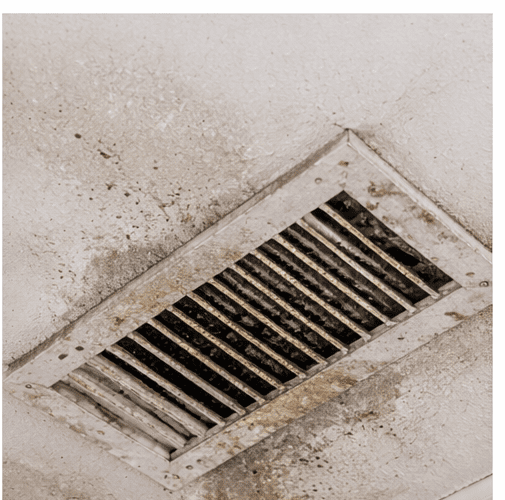
HVAC systems play a major role in allergy symptoms related to mold. Inspection data from Pembroke Pines homes frequently reveals mold growth in air handlers, drain pans, and duct insulation.
When this happens:
- Mold spores are distributed throughout the home
- Symptoms appear in multiple rooms
- Cleaning one area does not improve air quality
After proper HVAC-related remediation and humidity control, follow-up air samples typically show a significant drop in mold spore levels—and homeowners often report noticeable symptom relief.
What the Data Shows About Effective Solutions
Homes that see lasting improvement in allergy symptoms share consistent changes:
- Moisture sources are identified and corrected
- Indoor humidity is brought under control
- Mold-contaminated materials are removed when necessary
- HVAC systems are properly cleaned and maintained
- Post-remediation testing confirms improved air quality
Data shows that addressing the environment, not just the symptoms, produces the best outcomes.
When Mold Testing and Inspection Make Sense
Not every allergy symptom is caused by mold, but inspection data shows testing is especially helpful when:
- Symptoms worsen indoors
- Musty odors are present
- Mold keeps returning after cleaning
- There is a history of water damage
- Multiple occupants experience similar symptoms
Testing provides clarity by showing whether mold levels are elevated and where problems are originating.
Practical Takeaways for Pembroke Pines Homeowners
Based on inspection and air quality data, homeowners should understand:
- Mold-related allergies are often linked to hidden growth
- Humidity control is critical in South Florida homes
- HVAC systems are a common exposure source
- Cleaning alone rarely resolves allergy-triggering mold
- Early evaluation leads to simpler solutions
These insights help homeowners respond calmly and effectively instead of guessing or delaying action.
A Smarter Way to Protect Comfort and Air Quality
The data is clear: in Pembroke Pines, mold and allergies are closely connected through moisture and indoor air quality. This does not mean every allergy is caused by mold, but it does mean mold should not be overlooked—especially when symptoms persist indoors.
By focusing on humidity control, proper evaluation, and informed remediation when needed, homeowners can improve both comfort and air quality without fear-based decisions. Understanding what the data actually shows is the first step toward breathing easier at home.
