
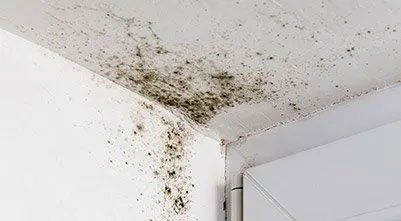
Early Warning Signs of Mold Growth – Facts vs Common Myths for Homes in Miramar
Mold problems in Miramar, Florida rarely start with a dramatic discovery. In most homes, mold develops quietly, showing subtle warning signs long before it becomes visible or expensive to address. Unfortunately, many homeowners miss these early clues because of common myths about what mold looks like, smells like, or how quickly it appears.
Based on real inspections across Miramar and Broward County, this article breaks down the true early warning signs of mold growth, separates fact from fiction, and explains what homeowners should realistically watch for—without fear tactics or guesswork.
Fact: Mold Usually Starts Long Before You See It
One of the biggest myths is that mold only becomes a problem when it’s visible. In reality, inspection data from Miramar homes shows that mold often begins growing weeks or months before any surface discoloration appears.
Mold typically starts behind walls, inside HVAC systems, under flooring, or in damp insulation—areas homeowners don’t regularly see. By the time mold spots appear on drywall or ceilings, growth is often already established elsewhere.
Early takeaway: Waiting until mold is visible usually means you’re already past the early stage.
Myth: A Clean Home Can’t Have Mold
Many Miramar homeowners assume mold only affects dirty or poorly maintained homes. Inspection data proves otherwise.
Some of the cleanest homes inspected still show early mold activity due to:
- High indoor humidity
- Poor ventilation
- HVAC condensation issues
- Minor water leaks
Mold feeds on moisture—not dirt. Cleanliness alone does not prevent mold growth in South Florida’s climate.
Fact: Persistent Musty Odors Are a Major Early Warning Sign
One of the earliest and most reliable signs of mold growth is a persistent musty or damp smell that doesn’t go away with cleaning or air fresheners.
In Miramar homes, inspections often trace musty odors back to:
- Mold inside HVAC air handlers
- Damp drywall behind bathrooms
- Moisture trapped under flooring
- Mold growth inside closets
If an odor comes and goes with AC use or gets stronger in closed rooms, it’s often an early indicator of hidden mold.
Myth: Mold Always Smells Strong
Not all mold produces a strong or obvious odor. Some early-stage mold growth releases little to no smell at all. This myth causes many homeowners to dismiss concerns because “nothing smells bad.”
Inspection data shows that odor intensity depends on:
- The size of the mold colony
- Airflow patterns
- Location of growth
By the time mold smells strong, it is often no longer in the early stage.
Fact: Humidity Is One of the Earliest Red Flags
Humidity plays a critical role in mold development. In Miramar, many homes operate above recommended indoor humidity levels without homeowners realizing it.
Early humidity-related warning signs include:
- Windows fogging indoors
- Condensation on vents or walls
- A “clammy” or sticky indoor feel
- Damp closets or bathrooms
Inspection data shows that homes with sustained high humidity are far more likely to develop mold—even without leaks or flooding.
Myth: Mold Only Comes From Flooding or Big Leaks
While flooding can cause mold, most early mold growth in Miramar homes comes from small, slow moisture issues, not major water events.
Common overlooked sources include:
- HVAC drain line backups
- Minor plumbing leaks
- Shower moisture with poor ventilation
- Window or roof leaks after storms
These issues often go unnoticed long enough for mold to establish quietly.
Fact: HVAC Changes Often Signal Early Mold Issues
Changes in how your HVAC system behaves can be an early mold warning sign.
Inspection patterns show that early mold issues often coincide with:
- Musty smells when the AC turns on
- Increased dust near vents
- Allergy symptoms worsening indoors
- Uneven airflow or damp vents
Because HVAC systems circulate air throughout the home, mold inside the system can affect multiple rooms before visible growth appears.
Myth: If Symptoms Come and Go, Mold Isn’t the Issue
Many homeowners dismiss symptoms because they are inconsistent. In reality, early mold exposure often causes intermittent symptoms, especially in Miramar homes.
Common early symptoms include:
- Sneezing or congestion at home
- Sinus pressure that improves outside
- Headaches or fatigue indoors
- Irritated eyes or throat
Symptoms often fluctuate based on humidity, AC use, and airflow—making them easy to overlook.
Fact: Mold Often Appears Where Airflow Is Poor
Early mold growth frequently occurs in low-airflow areas.
Inspection data from Miramar homes shows mold commonly starting in:
- Closets on exterior walls
- Bathrooms without exhaust fans
- Laundry rooms
- Storage areas
- Behind furniture against walls
These areas trap moisture and limit drying, allowing mold to develop quietly.
Myth: If You Don’t See Water Damage, Mold Isn’t Growing
Water damage doesn’t always leave visible stains. Moisture can remain trapped behind walls or under flooring long after surfaces look dry.
Inspection tools often detect moisture in Miramar homes where homeowners had no idea water exposure occurred. Mold grows where moisture stays—not where stains are visible.
Fact: Reappearing Mold Is a Sign the Early Warning Was Missed
If mold keeps returning after cleaning, it’s a strong indicator that the early warning signs were overlooked and the moisture source was never addressed.
Recurring mold usually means:
- Hidden growth was missed
- Humidity remains too high
- HVAC components are contaminated
Early detection would have led to a much simpler solution.
What Early Action Looks Like in Miramar Homes
Homes that successfully stop mold early share similar responses:
- Addressing humidity issues promptly
- Improving ventilation in bathrooms and kitchens
- Investigating odors instead of masking them
- Evaluating HVAC systems for moisture
- Inspecting after minor water events
Inspection data shows early action almost always leads to smaller, less invasive solutions.
When to Take the Next Step
Homeowners in Miramar should consider further evaluation when:
- Musty odors persist
- Humidity feels consistently high
- Allergy symptoms worsen indoors
- Mold keeps returning
- There is a history of water issues
Early evaluation provides clarity and prevents problems from escalating.
Final Thoughts for Miramar Homeowners
The biggest myth about mold is that it appears suddenly. In reality, mold gives warning signs—you just have to know what to look for.
In Miramar, where humidity and moisture are part of everyday life, understanding early warning signs is the most effective way to protect your home and indoor air quality. By separating facts from myths and responding early, homeowners can avoid unnecessary stress, cost, and disruption.
Mold prevention starts with awareness—and awareness starts with recognizing the signs before they become impossible to ignore.
