
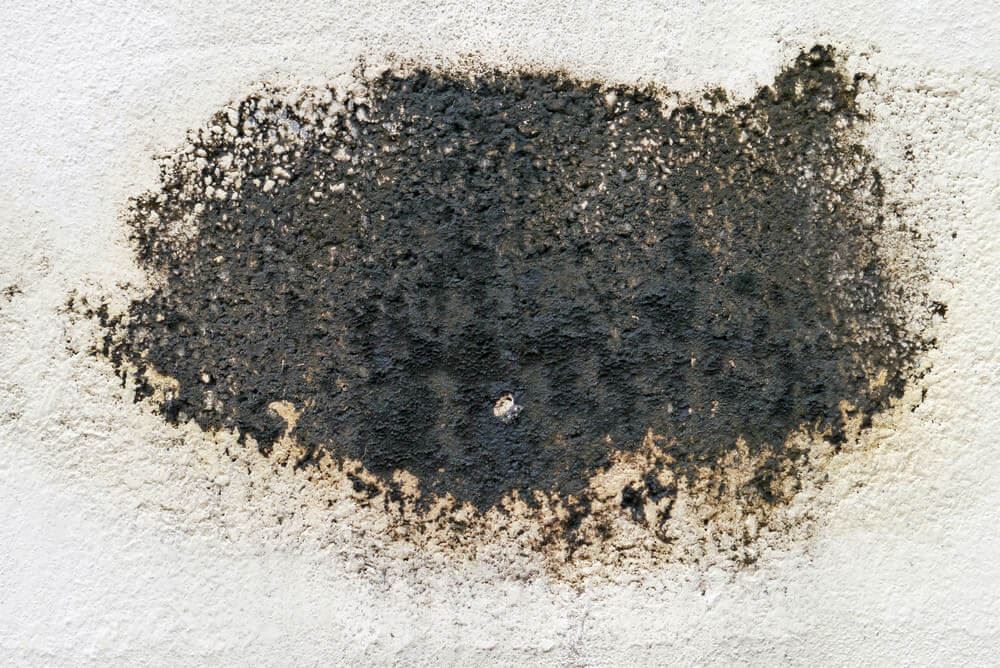
Real Risks, Not Fear Tactics: Black Mold Insights for Homes in Coral Springs
Black mold gets talked about like it’s a horror movie villain. Cue the panic, the wild internet stories, and the assumption that the house is basically doomed. After inspecting plenty of homes in Coral Springs, here’s the reality: black mold is a real issue, but it’s rarely the instant disaster people imagine.
This article sticks to facts, patterns, and real inspection outcomes. No scare language. No exaggeration. Just what black mold actually does, why it shows up in Coral Springs homes, and what risks matter versus what gets blown way out of proportion.
What “Black Mold” Really Means (And What It Doesn’t)
The Name Does Most of the Damage
When homeowners say “black mold,” they’re usually referring to Stachybotrys, a dark-colored mold associated with long-term moisture. Not every dark mold is Stachybotrys, and not every Stachybotrys situation becomes severe.
Here’s what matters more than the name:
- Moisture duration
- Material type
- Exposure over time
Black mold doesn’t appear because a home is dirty or neglected. It appears because something stayed wet longer than it should have.
Why Coral Springs Homes See Black Mold
Humidity Shrinks the Margin for Error
Coral Springs homes deal with elevated humidity most of the year. That humidity slows drying and keeps materials damp longer.
This matters because:
- Drywall absorbs moisture easily
- Insulation holds moisture quietly
- Wood framing dries slowly
Black mold prefers materials that never fully dry. In this climate, that window stays open longer than people expect.
Small Moisture Problems Don’t Reset Naturally
In drier climates, homes often dry out between moisture events. In Coral Springs, that reset rarely happens.
A small leak, condensation issue, or past water event can linger just enough to create stable conditions for black mold to grow later.
The Real Requirement Black Mold Never Skips
Long-Term Moisture, Not One-Time Water
Black mold doesn’t show up from a quick spill or a brief leak.
In real inspections, black mold almost always traces back to:
- Old water damage that dried partially
- Slow plumbing leaks
- Roof leaks behind walls
- Flooding followed by incomplete drying
- Chronic HVAC condensation
Duration beats intensity every time. A small leak over months causes more black mold than a big leak that dries fast.
Where Black Mold Actually Grows
Porous Materials Are the Target
Black mold needs materials that absorb and hold water.
Common growth areas include:
- Drywall and paper backing
- Ceiling tiles
- Insulation
- Wood framing
You won’t see black mold thriving on clean metal or tile. It needs something it can grow into, not just sit on.
Hidden Areas Come First
Visible black mold usually shows up late.
Most growth starts:
- Behind drywall
- Inside wall cavities
- Under flooring
- Inside soffits
By the time homeowners see it, hidden materials often stayed damp for weeks or longer.
How Black Mold Differs From Other Mold Types
Growth Speed Tells the Story
Black mold grows more slowly than many other molds. That surprises people.
Fast-growing molds show up quickly after moisture events. Black mold appears when:
- Moisture never fully resolves
- Airflow stays limited
- Conditions remain stable
Its presence usually signals a long-standing moisture issue, not a recent one.
Why It Gets So Much Attention
Stachybotrys can produce mycotoxins under certain conditions. Not every colony does, and not every exposure causes severe health effects.
The real risk depends on:
- Exposure level
- Exposure duration
- Whether HVAC systems spread spores
Black mold isn’t harmless, but it isn’t a guaranteed health crisis either.
Health Risks Without the Hysteria
What We Actually See in Homes
In Coral Springs homes, long-term exposure complaints usually include:
- Ongoing congestion
- Coughing or throat irritation
- Fatigue
- Headaches
- Worsening asthma or allergies
Symptoms often improve when people leave the home. That pattern matters far more than scary headlines.
What Gets Overstated Online
Black mold doesn’t instantly make homes unlivable in most cases. Extreme reactions exist, but they’re not the norm.
IMO, chronic moderate exposure causes more real-world problems than rare extreme cases, which is why early moisture control makes such a difference.
HVAC Systems Decide How Big the Problem Feels
When Exposure Stops Being Local
Black mold usually stays attached to wet materials. HVAC systems decide whether exposure stays in one area or spreads everywhere.
If airflow passes near contaminated materials:
- Spores circulate
- Exposure becomes daily
- Symptoms feel constant
That’s why inspections always look at airflow paths, not just mold locations.
Condensation Keeps Feeding Growth
HVAC systems create condensation by design. When drain lines clog or coils stay dirty, moisture lingers.
That lingering moisture:
- Keeps nearby materials damp
- Extends mold growth timelines
- Increases exposure duration
Ignoring HVAC moisture often turns manageable mold into a recurring issue.
Common Myths That Cost Homeowners Money
“Black Mold Means Immediate Evacuation”
Most situations don’t require panic. They require controlled removal and moisture correction.
Overreacting can be just as costly as ignoring the issue.
“Bleach Kills Black Mold”
Bleach changes color. It doesn’t penetrate porous materials.
On drywall or wood, bleach:
- Leaves moisture behind
- Misses mold roots
- Encourages faster regrowth
Cleaning stains isn’t the same as removing mold.
“Painting Over It Fixes Everything”
Paint hides symptoms. Moisture keeps feeding growth behind the surface.
Paint delays discovery. Drying materials solves problems.
Why Black Mold Keeps Coming Back
Moisture Never Got Fixed
Recurring black mold almost always points back to moisture.
Common causes include:
- Leaks repaired without drying materials
- Humidity left unmanaged
- HVAC condensation ignored
Removal without moisture correction rarely lasts.
Hidden Materials Stay Damp
Drywall can look fine while insulation behind it stays wet. Mold grows where moisture remains, not where it’s easiest to see.
FYI, repeated black mold usually means the original moisture problem never fully stopped.
How Professionals Evaluate Black Mold
Conditions Matter More Than Labels
Experienced inspectors focus on:
- Moisture readings
- Material saturation
- Drying history
- HVAC behavior
Lab results help, but conditions explain why growth happened.
Removal Stays Practical, Not Dramatic
Professional removal targets:
- Contaminated porous materials
- Moisture sources
- Airflow pathways
The goal isn’t perfection. It’s breaking the moisture cycle so growth stops.
What Actually Prevents Black Mold
Drying Beats Chemicals Every Time
Effective prevention focuses on:
- Drying materials quickly
- Controlling indoor humidity
- Fixing leaks completely
- Maintaining HVAC systems
If materials dry fully and stay dry, black mold can’t grow. That’s biology, not marketing.
Timing Changes Outcomes
The first 24–48 hours after water damage matter most. Early drying often prevents black mold entirely.
Waiting allows moisture to migrate and settle, which raises both risk and cost.
Why Waiting Always Costs More
Early Action Stays Contained
Early responses usually involve:
- Targeted drying
- Minor material removal
- Limited disruption
Costs stay manageable.
Delayed Action Expands Scope
Late responses often require:
- Larger removal areas
- Insulation replacement
- HVAC evaluation
- Longer project timelines
Same moisture source. Different timing. Bigger bill.
Lessons From Real Homes in Coral Springs
Across inspections, one lesson stays consistent. Black mold doesn’t show up because homes are dirty or unlucky—it shows up because moisture stayed ignored.
Homes that act early rarely face major remediation. Homes that wait almost always do. The difference isn’t severity. It’s understanding moisture behavior in this climate.
Practical Takeaways Homeowners Can Use
Here’s the reality without the drama:
- Black mold needs long-term moisture
- Porous materials matter most
- Hidden spaces grow it first
- HVAC systems affect exposure
- Drying stops growth better than chemicals
That’s not fear-based. That’s how mold works.
Final Thoughts: Respect the Risk, Skip the Panic
Black mold deserves attention, not hysteria. Homes in Coral Springs face constant humidity pressure, and black mold simply takes advantage when moisture lingers.
Once homeowners focus on controlling moisture instead of fearing the name, decisions get clearer, faster, and cheaper. Real risks deserve real solutions—and those solutions always start with drying things properly and keeping them that way.
