
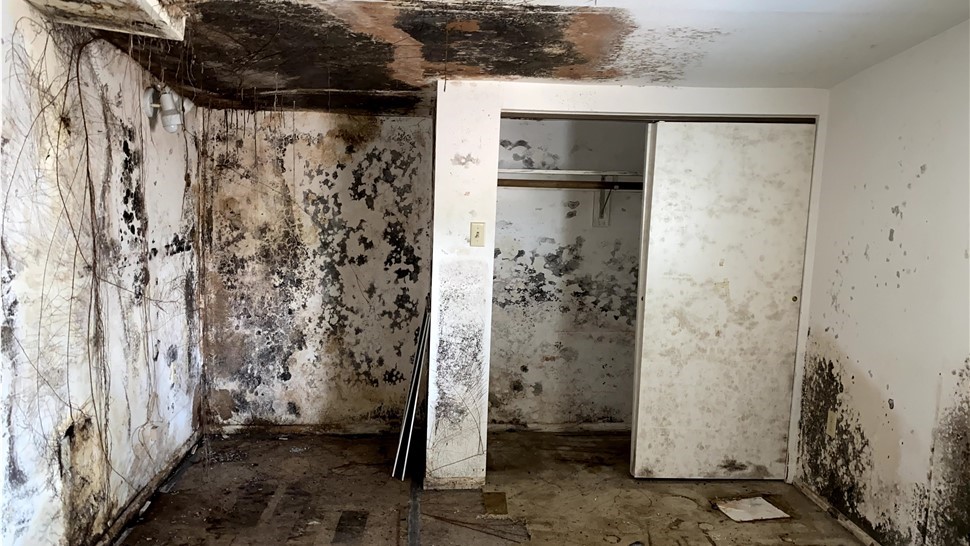
Health Effects of Long-Term Mold Exposure – What We See Inside Homes in Plantation
In Plantation, Florida, mold isn’t just a seasonal concern—it’s a long-term reality for many homeowners. Warm temperatures, heavy humidity, afternoon storms, and year-round air conditioning create the perfect environment for mold to grow quietly inside homes. What we see again and again during inspections is that long-term mold exposure rarely starts with dramatic symptoms. Instead, it creeps in slowly, often going unnoticed until health issues become harder to ignore.
This article breaks down the real health effects of long-term mold exposure, based on what’s commonly found inside Plantation homes, explained clearly and without scare tactics.
Why Long-Term Mold Exposure Is Different
Short-term mold exposure might cause mild symptoms—an occasional sneeze or itchy eyes. Long-term exposure is different. When mold spores are present in a home for months or years, occupants are repeatedly exposed every single day.
That constant exposure can:
- Intensify immune responses
- Prolong inflammation
- Worsen existing conditions
- Create symptoms that feel unexplained
Many Plantation homeowners don’t connect their health issues to mold because the changes happen gradually.
How Mold Persists Inside Plantation Homes
In Plantation, mold often isn’t caused by one major water event. Instead, it thrives due to ongoing moisture conditions, such as:
- High indoor humidity
- Condensation on air ducts
- Poorly insulated attic ductwork
- Minor plumbing leaks
- Inadequate ventilation in bathrooms
- AC systems running almost nonstop
These conditions allow mold to remain active long-term, even when it’s not visible.
The Most Common Health Effects We See Over Time
Chronic Respiratory Symptoms
One of the most frequent long-term effects of mold exposure is ongoing respiratory irritation. Homeowners often report:
- Persistent coughing
- Chronic nasal congestion
- Sinus pressure or recurring sinus infections
- Throat irritation
- Post-nasal drip
These symptoms are often misattributed to “Florida allergies,” but they don’t fully resolve with medication alone.
Worsening Allergies and Sensitivities
Long-term mold exposure can make people more sensitive over time, even if they didn’t previously have allergies. Repeated exposure trains the immune system to overreact.
We commonly see:
- Allergy symptoms that last year-round
- Reactions triggered indoors rather than outdoors
- Increased sensitivity to dust, pet dander, or humidity
For many Plantation residents, symptoms improve when they leave the home and return when they come back—an important red flag.
Asthma Aggravation and Breathing Difficulties
For individuals with asthma, long-term mold exposure can:
- Increase attack frequency
- Reduce medication effectiveness
- Trigger wheezing or chest tightness
- Cause shortness of breath
Children and older adults are particularly vulnerable. Even low-level mold exposure can significantly affect indoor breathing comfort over time.
Persistent Fatigue and Brain Fog
One of the most overlooked effects of long-term mold exposure is chronic fatigue. Homeowners often describe:
- Feeling tired despite adequate sleep
- Difficulty concentrating
- Brain fog
- Headaches that come and go
These symptoms are nonspecific, which makes mold harder to identify as a contributing factor—but they are extremely common in long-term exposure situations.
Skin and Eye Irritation
Extended mold exposure can also affect the skin and eyes, leading to:
- Itchy or dry skin
- Rashes without a clear cause
- Red, watery, or irritated eyes
These issues often persist even after changing soaps or detergents because the trigger is airborne.
Why Symptoms Often Get Worse at Home
A key pattern we see in Plantation homes is symptom location. Homeowners frequently notice that symptoms:
- Worsen at night
- Are strongest in bedrooms
- Improve outside the home
- Ease during vacations
This happens because bedrooms often have:
- Poor airflow
- Higher humidity
- Mold-contaminated duct supply
- Limited ventilation
Sleeping in a mold-affected environment means hours of uninterrupted exposure.
HVAC Systems and Long-Term Exposure
Air conditioning systems play a major role in long-term mold exposure. In Plantation homes, mold is frequently found in:
- Air handlers
- Supply plenums
- Duct interiors
- Insulation surrounding ducts
When mold is present in the HVAC system, spores are distributed throughout the home daily. This turns a localized mold issue into a whole-house exposure problem.
Attics: The Hidden Mold Source
Attics are one of the most common hidden mold zones we see in Plantation. Hot attic air combined with cool duct surfaces causes condensation, which feeds mold growth on:
- Duct insulation
- Roof decking
- Trusses
Because attics are rarely visited, mold can grow undisturbed for years, contributing to long-term exposure without visible warning signs.
Long-Term Exposure in Children and Seniors
Children and seniors often show symptoms sooner and more intensely. In Plantation homes, long-term mold exposure may lead to:
- Recurrent ear or sinus infections in children
- Persistent coughing or wheezing
- Reduced sleep quality
- Increased fatigue
Because immune systems are either still developing or less resilient, these age groups are more sensitive to prolonged exposure.
Mold Doesn’t Have to Be “Toxic” to Cause Problems
A major misconception is that mold only affects health if it’s labeled “toxic.” In reality:
- Many common molds can cause health issues
- Allergic and inflammatory responses matter more than mold type
- Long-term exposure amplifies effects regardless of species
For health impact, exposure duration matters more than mold name.
Why Cleaning Alone Doesn’t Solve Long-Term Exposure
Surface cleaning may remove visible mold, but it does not:
- Eliminate airborne spores
- Fix moisture sources
- Address mold inside ducts or walls
Without correcting humidity, insulation, and airflow issues, mold returns—and so do the symptoms.
Humidity Control Is the Real Health Solution
In Plantation homes, long-term mold exposure almost always traces back to uncontrolled humidity. Health-focused solutions typically involve:
- Keeping indoor humidity between 40–55%
- Improving duct insulation
- Sealing duct leaks
- Enhancing ventilation
- Addressing condensation points
When moisture is controlled, mold activity drops—and health often improves.
Why Many Homeowners Don’t Make the Connection
Long-term mold exposure is often missed because:
- Symptoms are gradual
- Mold is hidden
- Florida allergies are common
- Homes appear clean
By the time mold is suspected, exposure may have been ongoing for years.
The Bottom Line for Plantation Homeowners
Long-term mold exposure doesn’t always announce itself loudly. In Plantation homes, it often shows up as persistent allergies, fatigue, breathing issues, or unexplained discomfort that slowly becomes “normal.”
Understanding how mold behaves indoors—and how prolonged exposure affects health—allows homeowners to take informed, proactive steps. Addressing moisture, airflow, and hidden mold sources doesn’t just protect the structure of the home. It protects the people living inside it.
When the indoor environment improves, health often follows.
