
A Homeowner’s Guide: Mold Inspection Insights for Homes in Fort Lauderdale
If you own a home in Fort Lauderdale, mold inspection isn’t something you deal with if—it’s something you deal with when. South Florida’s heat, humidity, and year-round air conditioning make mold growth a common (and often hidden) reality. What surprises many homeowners isn’t that mold exists, but where it’s found, how long it’s been there, and how easily it’s missed.
This guide explains what mold inspections really uncover in Fort Lauderdale homes, what inspectors look for, and how to use that information to protect your home and indoor air quality—without panic, gimmicks, or guesswork.
Why Mold Inspections Matter in Fort Lauderdale
Fort Lauderdale’s climate creates ideal mold conditions:
- High humidity most of the year
- Frequent rain and storms
- Constant AC use causing condensation
- Warm temperatures that never fully shut mold down
Mold doesn’t need flooding or neglect. In many homes, it grows slowly due to everyday moisture, often out of sight.
A mold inspection isn’t just about finding visible mold—it’s about identifying why mold can grow, where moisture is entering, and whether conditions are actively supporting growth.
What a Mold Inspection Really Looks For
A proper mold inspection goes far beyond spotting stains on a wall. In Fort Lauderdale homes, inspectors focus on patterns, not just patches.
Key inspection areas include:
Moisture Sources
Mold needs moisture. Inspectors look for:
- Elevated indoor humidity
- Condensation on ducts or vents
- Minor plumbing leaks
- AC drain line issues
- Roof or window seepage
No moisture, no mold. That’s the core principle.
HVAC Systems and Air Ducts
HVAC systems are one of the most common mold locations in South Florida homes. Inspectors often check:
- Air handlers
- Supply plenums
- Return areas
- Duct interiors
- Duct insulation (especially in attics)
If mold is present here, spores can be distributed throughout the home every time the system runs.
Attics
Attics are a major blind spot for homeowners. In Fort Lauderdale, inspectors frequently find:
- Mold on duct insulation
- Mold on roof decking
- Condensation damage around vents
Hot attic air meeting cold duct surfaces creates moisture—perfect conditions for long-term mold growth.
Bathrooms, Kitchens, and Laundry Rooms
These rooms generate daily moisture. Inspections often focus on:
- Exhaust fan effectiveness
- Hidden leaks under sinks
- Wall and ceiling moisture
- Grout and drywall conditions
Poor ventilation is a frequent contributor.
Closets and Low-Airflow Areas
Closets along exterior walls are common mold locations due to:
- Limited airflow
- Temperature differences
- Trapped humidity
These areas often show mold before main living spaces do.
What Inspectors Don’t Rely On
A good inspection avoids shortcuts. Mold inspectors don’t rely solely on:
- Visual checks of vents
- Musty smells alone
- One-room testing
- Generic assumptions
Mold problems in Fort Lauderdale homes are often systemic, not isolated.
Mold Testing vs Mold Inspection: Not the Same Thing
Homeowners often confuse testing with inspection. They serve different purposes.
Mold Inspection
Answers:
- Where moisture is coming from
- Where mold is likely growing
- Whether conditions support mold growth
Mold Testing
Answers:
- Whether mold spores are elevated
- How indoor air compares to outdoor air
- Whether hidden mold is likely present
Testing without inspection is guessing. Inspection without understanding results is incomplete. In Fort Lauderdale homes, both are often used together strategically—not automatically.
Why Visible Mold Is Only Part of the Story
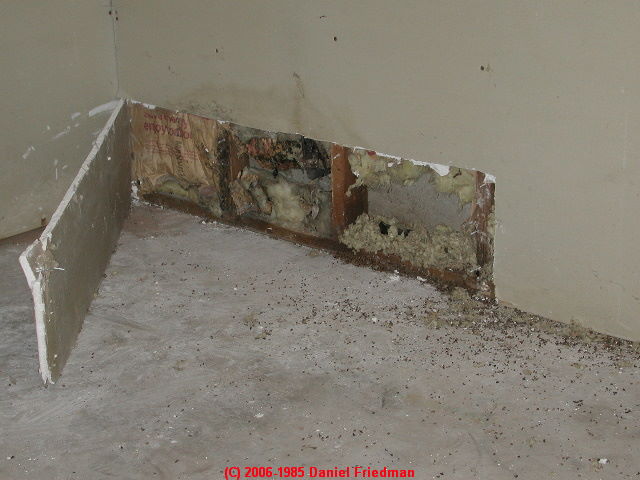
One of the most common inspection findings is hidden mold. In many Fort Lauderdale homes, mold is found:
- Behind drywall
- Inside duct insulation
- Under flooring
- Above ceilings
By the time mold is visible, it’s usually been present for months—or years.
This is why inspections focus on conditions, not just appearances.
Humidity: The Silent Mold Driver
Inspection data consistently shows indoor humidity as the biggest factor in mold growth. In Fort Lauderdale homes, indoor humidity frequently exceeds safe levels.
Mold thrives when humidity stays above:
- 60% consistently
- 55% in enclosed spaces
Even without leaks, elevated humidity alone can sustain mold growth.
Why “Clean Homes” Still Have Mold
Mold inspections regularly uncover mold in homes that are:
- Well-maintained
- Recently renovated
- Professionally cleaned
Mold doesn’t care how tidy a home looks. It responds to moisture, airflow, and temperature differences.
This is why inspections focus on building science—not housekeeping.
What Inspection Results Really Mean
Finding mold doesn’t automatically mean:
- Your home is unsafe
- Your HVAC system is ruined
- You need major demolition
It means conditions allowed growth—and those conditions need to be addressed.
In many Fort Lauderdale homes, solutions involve:
- Improving duct insulation
- Sealing air leaks
- Managing indoor humidity
- Correcting ventilation
The inspection guides the solution. It doesn’t dictate a one-size-fits-all response.
Common Misconceptions Inspectors See All the Time
“I don’t smell anything, so I’m fine.”
Many mold problems have no odor.
“I had my ducts cleaned once, so mold can’t be there.”
Cleaning without moisture control often leads to regrowth.
“Mold only grows after flooding.”
Most mold inspections in Fort Lauderdale involve no flood history at all.
“New homes don’t have mold.”
Newer, airtight homes can trap moisture more efficiently.
When a Mold Inspection Is Especially Important
Homeowners should strongly consider inspection when:
- Allergy or respiratory symptoms worsen indoors
- Musty smells appear intermittently
- AC runs constantly but humidity feels high
- There’s a history of roof, plumbing, or AC issues
- Buying or selling a Fort Lauderdale home
Inspections provide clarity—not assumptions.
Why DIY Checks Usually Miss the Problem
Flashlights and surface cleaning don’t reveal:
- Moisture inside walls
- Mold in duct insulation
- Attic condensation issues
- Airborne spore activity
Professional inspections use moisture readings, airflow analysis, and building science—not guesswork.
What a Good Inspection Helps You Avoid
A proper mold inspection helps homeowners avoid:
- Unnecessary remediation
- Incomplete repairs
- Recurring mold problems
- Wasted money on surface fixes
It replaces trial-and-error with targeted solutions.
The Real Goal of Mold Inspection
The goal isn’t just to find mold—it’s to make the home inhospitable to mold going forward.
That means:
- Controlling humidity
- Eliminating condensation
- Improving airflow
- Addressing moisture entry points
Homes that fix these issues see long-term improvement, not repeat problems.
The Bottom Line for Fort Lauderdale Homeowners
Mold inspections in Fort Lauderdale aren’t about fear—they’re about understanding how your home behaves in a humid, coastal climate. Mold is common, but it’s also manageable when approached correctly.
A good inspection gives you:
- Answers instead of assumptions
- Data instead of opinions
- A roadmap instead of random fixes
When you understand where moisture lives in your home, mold loses its advantage—and you gain control.
