
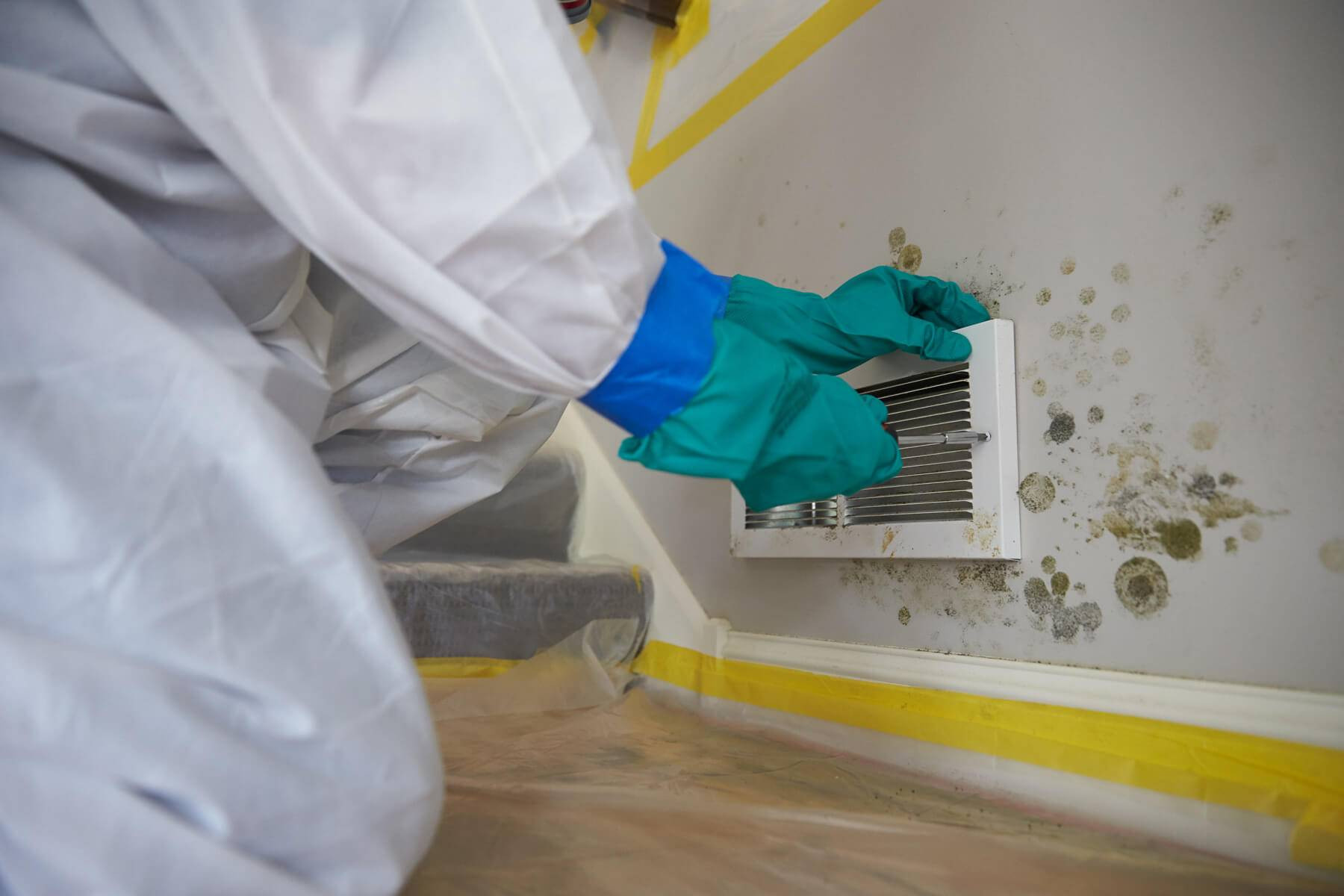
Practical Advice From Experts: Mold Remediation Insights for Homes in Hollywood
Mold remediation usually enters the conversation when homeowners feel stuck. Cleaning didn’t work. The smell came back. Allergies didn’t improve. After working through real remediation cases in Hollywood homes, experts see the same theme repeat: most remediation projects grow larger than necessary because homeowners misunderstand what remediation is supposed to do.
This isn’t a scare guide or a sales pitch. It’s practical advice pulled from real outcomes—what actually works, what consistently fails, and how homeowners in Hollywood can approach mold remediation without overreacting or underdoing it.
The First Thing Experts Want Homeowners to Understand
Mold remediation is not about killing mold. It’s about removing contaminated materials and fixing the moisture conditions that allowed mold to grow.
Mold spores exist everywhere. The problem starts when mold grows indoors and stays active. Sprays, fogging, and surface cleaning don’t change that reality if moisture and airflow stay the same.
If remediation doesn’t address moisture, mold almost always returns.
Why Mold Remediation Gets Confusing in Hollywood Homes
Humidity Makes Everything Less Obvious
Hollywood homes deal with high humidity for most of the year. That constant moisture pressure makes subtle problems feel normal.
During inspections, experts often hear:
- “It’s just Florida air”
- “It doesn’t seem that bad”
- “The AC runs all the time”
Humidity blurs warning signs. Mold remediation usually becomes necessary only after months of ignored moisture.
Homes Don’t Dry Out on Their Own
In drier climates, homes reset between moisture events. In Hollywood, that reset rarely happens.
Moisture stacks:
- Small leaks
- Condensation
- High indoor humidity
Remediation often addresses problems that started quietly and never fully stopped.
When Mold Remediation Is Actually Necessary
Not every mold finding requires remediation. Experts look for specific conditions.
Remediation usually makes sense when:
- Mold affects porous materials
- Growth keeps returning
- HVAC systems distribute contamination
- Moisture problems already got identified
- Occupants experience ongoing symptoms
Remediation isn’t about panic. It’s about preventing exposure and stopping further damage.
One of the Biggest Myths: “Cleaning Is the Same as Remediation”
Why Cleaning Falls Short
Cleaning removes visible mold. Remediation removes the source.
On porous materials like drywall, insulation, and wood:
- Mold grows into the material
- Roots stay behind after cleaning
- Moisture remains trapped
That’s why mold comes back quickly after surface cleaning. The conditions never changed.
FYI, many large remediation jobs start after repeated cleaning attempts.
What Proper Mold Remediation Actually Involves
Containment Comes First
Containment prevents mold spores from spreading during removal.
Professional containment usually includes:
- Physical barriers
- Negative air pressure
- HEPA filtration
Skipping containment spreads spores and increases how much of the home gets affected. That’s one reason DIY efforts often backfire.
Removal Means Removal
Porous materials rarely clean well. That’s why remediation removes them.
Common removals include:
- Drywall sections
- Insulation
- Carpet padding
- Damaged wood
Non-porous materials get cleaned thoroughly. Porous materials usually don’t get second chances.
Why HVAC Systems Matter So Much in Remediation
HVAC Systems Spread Exposure
Once mold affects HVAC systems, exposure becomes whole-home.
Air handlers and ducts:
- Create condensation daily
- Move air constantly
- Distribute spores efficiently
Ignoring HVAC involvement almost guarantees reinfection after remediation.
Common HVAC Issues Found During Remediation
Experts frequently uncover:
- Clogged drain lines
- Standing water in drain pans
- Dirty evaporator coils
- Duct insulation failures
These issues keep moisture active even after mold removal, which sets the stage for recurrence.
The Condensation Problem Most Homeowners Miss
Condensation Causes More Mold Than Leaks
Leaks get attention. Condensation doesn’t.
Condensation forms when warm, humid air hits cold HVAC components. In Hollywood homes, that happens constantly.
Experts often find condensation:
- Inside air handlers
- Inside ductwork
- Behind walls near vents
Because condensation doesn’t drip dramatically, it feeds mold quietly until remediation becomes unavoidable.
Why Mold Keeps Coming Back After “Successful” Remediation
Moisture Wasn’t Fully Corrected
Recurring mold almost always points back to moisture.
Common reasons include:
- Leaks fixed without drying materials
- Humidity left unmanaged
- HVAC condensation ignored
- Poor ventilation remaining unchanged
Removal without moisture correction buys time, not resolution.
HVAC Systems Reintroduce Mold
If air handlers or ducts stay contaminated, they reseed clean areas.
Experts often see:
- Clean walls
- Clean floors
- Mold returning near vents
That pattern almost always points back to HVAC involvement.
Health Complaints That Drive Remediation Decisions
Symptoms That Matter More Than Mold Type
In Hollywood homes, remediation often starts after occupants report:
- Congestion indoors
- Coughing or throat irritation
- Fatigue or headaches
- Asthma or allergy flare-ups
Symptoms often improve outside the home. That pattern points to indoor exposure, not random illness.
IMO, focusing on exposure reduction helps more than chasing mold species names.
Common Remediation Myths That Cost Homeowners Money
“Mold Remediation Is Always Extreme”
Early remediation is often small and targeted. Delayed remediation rarely is.
“Air Testing Alone Decides Everything”
Air tests help. Conditions decide.
Experts prioritize moisture readings, material condition, and HVAC behavior over one lab number.
“Once Mold Is Removed, It Can’t Return”
Mold returns when moisture returns. Remediation removes what’s there—it doesn’t prevent future moisture issues automatically.
What Experts Look for Before Remediation Starts
Experienced professionals evaluate:
- Moisture sources
- Drying history
- HVAC condition
- Duct leakage
- Ventilation effectiveness
This evaluation prevents unnecessary removal and focuses remediation where it actually matters.
Cost Reality: Early vs Late Remediation
Early Remediation Stays Manageable
Homes that act early usually need:
- Small containment
- Limited material removal
- Shorter timelines
Costs stay controlled.
Delayed Remediation Gets Expensive
Homes that wait often face:
- Expanded removal areas
- HVAC remediation
- Longer projects
- Greater disruption
Same moisture source. Different timing. Much higher cost.
Practical Steps Homeowners Can Take Before Remediation
Experts recommend:
- Identifying and fixing moisture sources first
- Controlling indoor humidity consistently
- Inspecting HVAC systems thoroughly
- Avoiding repeated DIY cleaning
- Acting early when patterns appear
These steps often limit how much remediation becomes necessary.
Why Hollywood Homes Benefit From Early Action
High humidity, coastal air, and constant HVAC use create steady moisture pressure.
Homes rarely get extended dry-out periods. That means:
- Small problems escalate faster
- Hidden damage spreads quietly
- Waiting costs more
Early remediation often prevents system-wide contamination.
Lessons From Real Homes in Hollywood
Across real remediation projects, one lesson repeats. Mold remediation works when it focuses on moisture and systems, not just visible growth.
Homes that treat remediation as a practical repair process recover faster. Homes that treat it as a cosmetic cleanup almost always see mold return.
FYI, remediation feels overwhelming only until homeowners understand what actually matters.
Practical Takeaways Homeowners Can Use
Here’s the expert version, simplified:
- Remediation removes, not sprays
- Moisture control determines success
- HVAC systems matter
- Hidden growth is common
- Early action limits cost
Those points show up in remediation reports constantly.
Final Thoughts: Mold Remediation Is About Control, Not Fear
Mold remediation in Hollywood homes doesn’t require panic or extreme decisions. It requires clarity. Mold grows because moisture stayed active. Remediation works when that reality guides every step.
When homeowners stop chasing symptoms and start managing moisture, remediation becomes predictable, targeted, and effective. Practical advice from experts boils down to this: remove what’s contaminated, fix what caused it, and mold stops being a recurring problem instead of a constant surprise.
