
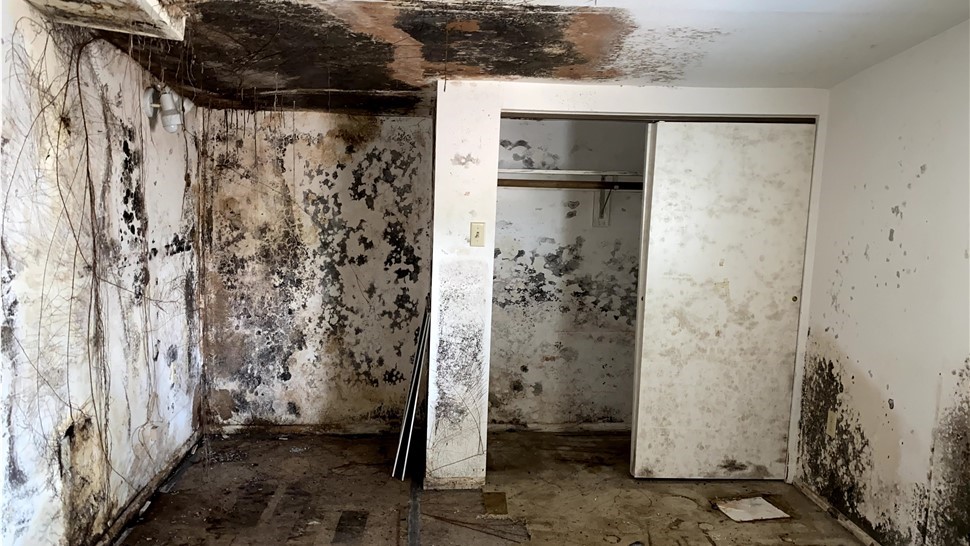
Why Mold Grows in Florida Homes – What the Data Tells Us for Homes in Lauderhill
If mold had a favorite state, Florida would win by a mile. And if we narrow it down even more, Lauderhill homes sit right in the sweet spot for mold growth. High humidity, nonstop AC use, older housing stock—it’s basically a welcome mat. That doesn’t mean your home is dirty or neglected. It means the environment works against you.
We’ve inspected countless homes in Lauderhill, and the data lines up perfectly with what we see in the field. Mold growth here isn’t random, rare, or mysterious. It’s predictable. Let’s break down why mold grows so easily in Florida homes, what the numbers actually show, and what Lauderhill homeowners should realistically watch for.
Florida’s Climate: Mold’s Best Friend
Florida averages 60–90% humidity for most of the year. That alone explains a lot. Mold only needs moisture, oxygen, and a food source—and homes provide all three effortlessly.
Here’s what the data and inspections show:
- Mold thrives when humidity stays above 55%
- Florida homes rarely dry out completely
- AC systems create constant condensation
- Warm temperatures speed up mold growth cycles
Ever wondered why mold grows even when there’s no visible water damage? That’s humidity doing its thing.
Why Lauderhill Homes See Mold Faster Than Expected
Lauderhill has a large number of homes built decades ago, and many weren’t designed for today’s moisture control standards. Combine that with Florida weather, and mold gains ground fast.
Common factors we document in Lauderhill inspections:
- Aging plumbing with slow, hidden leaks
- Flat or low-slope roofs prone to minor water intrusion
- Older HVAC systems that struggle with humidity control
- Insufficient ventilation in bathrooms and kitchens
None of this requires neglect. Mold often grows in well-maintained homes simply because moisture lingers longer than people realize.
The Role of HVAC Systems in Mold Growth
HVAC systems don’t cause mold, but they create the perfect conditions for it if moisture isn’t managed correctly.
From real inspection data, we see mold forming in:
- Air handlers near evaporator coils
- Drain pans with standing water
- Ductwork holding condensation
- Insulation inside HVAC cabinets
Because AC systems run almost year-round in Lauderhill, moisture never gets a break. Mold loves consistency. Florida delivers.
What the Data Says About Indoor Humidity
Studies consistently show that indoor humidity above 60% dramatically increases mold risk. In Lauderhill homes, indoor humidity often creeps up quietly—especially during summer and rainy seasons.
Why humidity stays high indoors:
- AC systems oversized for the home
- Short cooling cycles that don’t remove enough moisture
- Poor airflow in certain rooms
- Windows and doors letting humid air in
IMO, humidity control matters more than temperature when it comes to mold prevention.
Hidden Mold: What Homeowners Don’t See
This is where data meets reality. The majority of mold problems we find in Lauderhill aren’t visible.
Hidden mold commonly appears:
- Behind drywall near plumbing
- Under sinks and cabinets
- Inside walls after past leaks
- Above ceilings near roof penetrations
By the time mold shows on walls, it’s usually been active for months. That’s not bad luck—it’s just how mold behaves.
Why Cleaning Surface Mold Doesn’t Solve the Problem
Here’s a hard truth: surface mold represents a small piece of the overall issue. Cleaning it without addressing moisture simply resets the clock.
Data and inspections confirm:
- Mold regrows when moisture remains
- Bleach doesn’t penetrate porous materials
- DIY cleaning often spreads spores
- Underlying conditions stay unchanged
Ever cleaned the same spot repeatedly and felt frustrated? You didn’t fail—the strategy did.
Mold Inspection Data: Patterns We See Repeatedly
From years of inspections in Lauderhill, the patterns stay consistent.
Most mold issues trace back to:
- Moisture intrusion (even minor leaks)
- Poor ventilation
- HVAC condensation
- Elevated indoor humidity
Mold follows moisture every time. The data never disagrees with that rule.
Mold Testing: What the Numbers Are Actually Used For
Mold testing doesn’t diagnose problems—it confirms scope.
Testing helps when:
- Mold isn’t visible but symptoms exist
- Multiple areas may be affected
- Documentation matters
- HVAC involvement is suspected
Testing doesn’t help when the moisture source is obvious and remediation is clearly needed. Data works best when paired with inspection—not instead of it.
Why Florida Homes Experience Repeat Mold Issues
Lauderhill homeowners often ask why mold comes back. The answer shows up clearly in the data.
Repeat issues happen because:
- Humidity stays uncontrolled
- Moisture sources weren’t fully resolved
- HVAC systems keep producing condensation
- Homes never fully dry out
Mold doesn’t “return” randomly. It resumes where conditions allow it to grow.
Practical Prevention Tips That Actually Work
You don’t need extreme measures—just smart ones.
Data-backed prevention steps include:
- Keep indoor humidity below 55%
- Fix leaks immediately, no matter how small
- Maintain AC drain lines and coils
- Use bathroom exhaust fans consistently
- Schedule periodic mold inspections
Small adjustments prevent big problems. Every time.
Final Thoughts: Mold Growth in Lauderhill Isn’t a Mystery
The data, the inspections, and real-world experience all point to the same conclusion: mold grows in Florida homes because conditions allow it. Lauderhill’s climate, housing styles, and HVAC use create an environment where mold thrives quietly.
The good news? Mold problems become manageable once you understand the “why.” Awareness leads to early action, and early action saves money, stress, and air quality.
If your home smells musty, feels humid, or had past water issues, trust that instinct. In Florida, mold rarely waits—and neither should you.
