
Early Warning Signs of Mold Growth – What Most People Get Wrong for Homes in Miramar
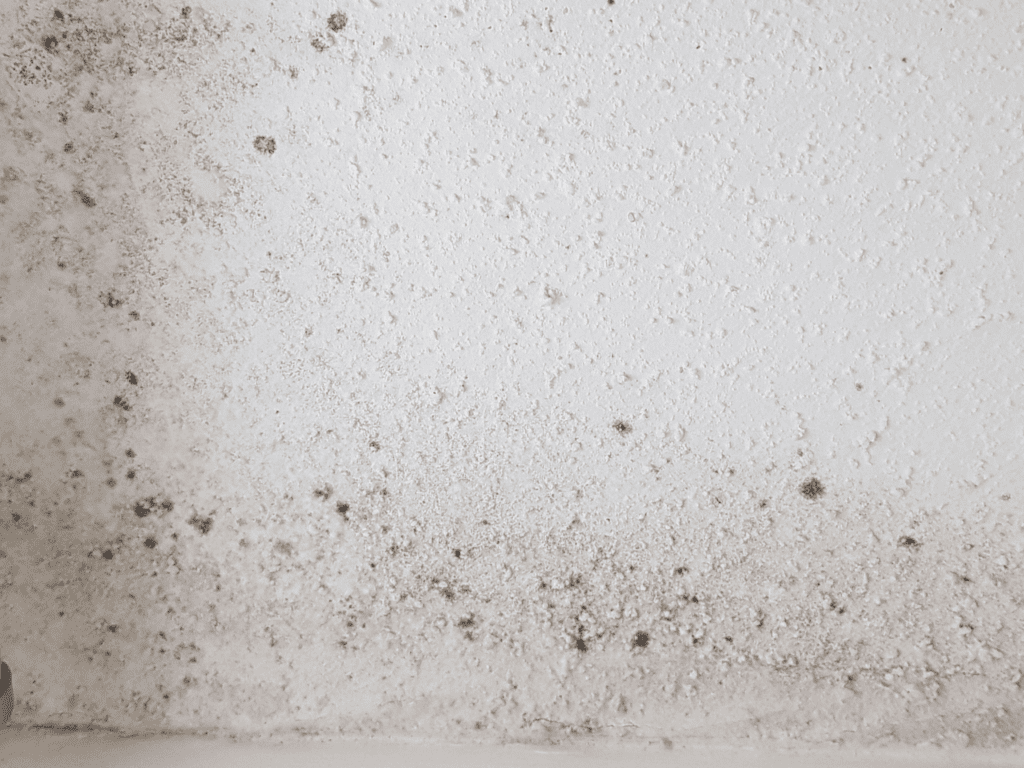
Most mold problems don’t start with dramatic black patches crawling up the wall. They start quietly. Subtle smells. Slight changes in air quality. Minor issues people shrug off because life’s busy. In Miramar homes, that quiet phase is where most people get it wrong.
After inspecting plenty of homes across Miramar, one thing is clear: homeowners usually notice something early—they just don’t realize it matters. Let’s talk about the real early warning signs of mold growth, the common misconceptions, and why waiting almost always turns small issues into expensive ones.
Mistake #1: Thinking Mold Always Looks Obvious
This is the biggest misconception by far. Most mold growth stays hidden, especially in Florida homes.
Early mold rarely shows up as visible patches. Instead, it hides:
- Behind drywall
- Inside HVAC systems
- Under sinks and cabinets
- Above ceilings near roof lines
By the time you see mold, it’s usually been active for a while. Ever wondered why mold feels like it “came out of nowhere”? It didn’t.
Early Warning Sign #1: Persistent Musty Odors
If your home smells musty—even faintly—that’s not normal. Miramar’s humidity can amplify odors, but persistent smells usually signal microbial activity.
What homeowners often assume:
- “It’s just humidity”
- “The house needs fresh air”
- “The AC smell will go away”
What inspections usually reveal:
- Hidden mold growth
- HVAC moisture buildup
- Damp insulation or wall cavities
FYI—air fresheners don’t fix musty smells. They just cover them up.
Early Warning Sign #2: Allergy Symptoms That Improve Outside
This one surprises people. If symptoms improve when you leave the house, pay attention.
Common early complaints include:
- Sneezing or congestion indoors
- Scratchy throat or coughing
- Headaches that fade when you’re out
- Fatigue at home, energy elsewhere
These symptoms don’t prove mold, but they do justify an inspection. IMO, ignoring health signals costs more than checking early.
Mistake #2: Assuming Mold Comes Only From Big Water Damage
In Miramar homes, most mold problems don’t come from floods or burst pipes. They come from small, ongoing moisture issues.
Common low-level moisture sources:
- Slow plumbing leaks
- AC condensation
- Poor bathroom ventilation
- Past water damage that “dried out”
Mold doesn’t need drama. It needs time and moisture. Florida delivers both.
Early Warning Sign #3: Changes Around Air Vents and AC Areas
HVAC systems play a huge role in mold growth here. We often see early warning signs near vents before homeowners notice anything else.
Watch for:
- Dark dust buildup near vents
- Musty smells when the AC turns on
- Excess condensation around air handlers
- Uneven airflow in certain rooms
Ever noticed a smell that appears only when the AC runs? That’s not random.
Mistake #3: Cleaning Surface Mold and Calling It Fixed
This is where good intentions go wrong. Surface cleaning doesn’t solve underlying mold growth.
What usually happens:
- Mold gets wiped away
- Moisture remains
- Mold regrows quietly
- Homeowners feel frustrated
If mold keeps coming back, the issue isn’t effort—it’s incomplete understanding.
Early Warning Sign #4: Warped, Soft, or Discolored Materials
Mold often follows moisture damage. Changes in building materials act as early red flags.
Look for:
- Bubbling or peeling paint
- Soft drywall or baseboards
- Discoloration near ceilings or windows
- Swelling cabinets under sinks
These changes mean moisture stayed longer than it should have. Mold usually isn’t far behind.
Mistake #4: Believing Newer or “Clean” Homes Don’t Get Mold
Miramar has plenty of newer, well-maintained homes—and we still find mold in them. Clean homes can have mold.
Why?
- Homes stay sealed for energy efficiency
- AC systems run constantly
- Humidity builds up quietly
Mold isn’t about cleanliness. It’s about moisture balance.
Early Warning Sign #5: Indoor Humidity That Feels “Sticky”
If your home feels damp or sticky, trust that feeling. Humidity above 55% significantly increases mold risk.
Signs humidity stays too high:
- Windows fog up
- Towels never fully dry
- AC runs but air feels heavy
- Musty smells linger
Humidity control matters more than temperature when it comes to mold prevention.
Why Early Mold Signs Get Ignored in Miramar Homes
From real inspections, homeowners often delay action because:
- Symptoms feel minor
- Mold isn’t visible
- Life gets busy
- Past issues seemed to “resolve”
Unfortunately, mold doesn’t resolve itself. It waits.
When a Mold Inspection Makes Sense
You don’t need to panic, but you do need clarity.
A mold inspection makes sense when:
- Odors persist
- Symptoms worsen indoors
- Past leaks occurred
- HVAC smells musty
- Humidity stays high
Inspections replace guessing with facts. That alone saves money.
Simple Prevention Tips That Actually Help
You don’t need extreme measures—just awareness.
Smart habits include:
- Keep indoor humidity below 55%
- Fix leaks immediately
- Maintain AC drain lines
- Use bathroom exhaust fans
- Don’t ignore musty odors
Small steps prevent big problems. Always.
Final Thoughts: Early Signs Matter More Than People Think
In Miramar homes, mold problems rarely start big—but they almost always end big when ignored. The early warning signs are subtle, easy to dismiss, and incredibly important.
If something feels off in your home, trust that instinct. Catching mold early costs less, disrupts less, and protects your home long-term.
