
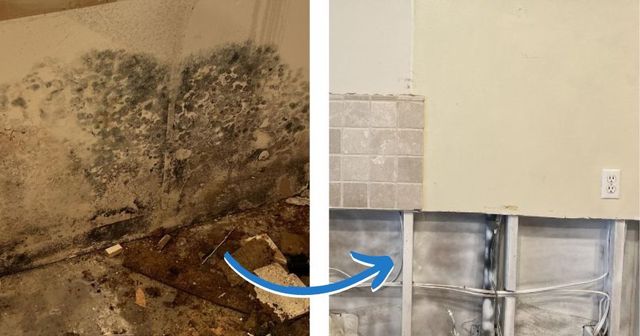
Real Risks, Not Fear Tactics: Hidden Mold Insights for Homes in Pompano Beach
Let’s get one thing straight—hidden mold isn’t a horror story, and it’s definitely not something to panic over. But ignoring it? That’s where real problems start. In Pompano Beach homes, hidden mold shows up far more often than people expect, and not because homes are dirty or neglected. It shows up because moisture sticks around quietly.
We’ve inspected plenty of homes in Pompano Beach, and the truth always lands somewhere in the middle. No fear tactics here—just real risks, real patterns, and practical insight from actual inspections.
What “Hidden Mold” Really Means (and What It Doesn’t)
Hidden mold doesn’t mean your home is falling apart. It means mold is growing outside your normal line of sight.
Most commonly, we find it:
- Behind drywall near plumbing
- Under kitchen and bathroom cabinets
- Inside HVAC systems
- Above ceilings or in attics
Hidden mold grows quietly because moisture stays trapped. Ever wondered why mold feels like it “appears overnight”? It didn’t—you just finally saw it.
Why Pompano Beach Homes Are Prone to Hidden Mold
Pompano Beach brings a specific mix of conditions that mold loves. Coastal humidity stays high, AC systems run constantly, and homes rarely get a chance to dry out fully.
From real inspections, common contributing factors include:
- High indoor humidity year-round
- Past water damage that seemed “minor”
- HVAC condensation buildup
- Poor ventilation in certain rooms
None of this requires a disaster. Hidden mold usually starts small.
The Real Risk: Moisture, Not Mold Itself
Here’s where people get confused. Mold follows moisture every single time. The mold you see—or don’t see—is just a symptom.
Hidden moisture sources we frequently find:
- Slow plumbing leaks inside walls
- AC drain line issues
- Roof leaks that stopped but left moisture behind
- Condensation inside ductwork
If moisture remains, mold grows. Remove the moisture, and mold loses its grip. Simple rule.
Why Hidden Mold Often Goes Undetected
Hidden mold avoids attention because symptoms start subtle.
Homeowners often notice:
- Musty odors that come and go
- Slight allergy flare-ups indoors
- Rooms that feel damp or “off”
- Discoloration that seems cosmetic
Most people assume these things aren’t urgent—and that’s understandable. IMO, this is where education matters more than alarm.
HVAC Systems: A Common Hidden Mold Path
HVAC systems don’t cause mold, but they move it efficiently once it forms. In Pompano Beach homes, we often find hidden mold inside air handlers or ducts before it shows anywhere else.
Early HVAC-related clues include:
- Musty smells when the AC turns on
- Uneven airflow
- Excess condensation near the unit
- Dark buildup near vents
FYI—air filters don’t stop mold growth inside the system. They only affect airflow.
Why Surface Mold Isn’t the Whole Story
One of the biggest misconceptions we see: homeowners clean visible mold and assume the issue is resolved.
What inspections usually reveal:
- Mold behind the cleaned surface
- Moisture still present
- Growth returning weeks later
Surface mold represents a fraction of the problem. Cleaning without addressing moisture just resets the clock.
Hidden Mold and Health: Keeping It Honest
No scare tactics here. Hidden mold doesn’t automatically mean serious health problems. But it can affect indoor air quality over time.
Common complaints linked to hidden mold include:
- Persistent congestion indoors
- Headaches that improve outside
- Fatigue at home
- Worsening allergies
These symptoms don’t diagnose mold—but they do justify looking deeper. Ignoring patterns costs more than checking early.
When a Mold Inspection Makes Sense
You don’t need an inspection for every concern, but some signs shouldn’t be brushed off.
An inspection makes sense if:
- Musty odors persist
- Humidity stays high
- Past leaks occurred
- HVAC smells musty
- Symptoms worsen indoors
Inspections provide answers—not panic.
Mold Testing: Helpful, Not Mandatory
Testing isn’t always necessary. We use it when it adds clarity.
Testing helps when:
- Mold isn’t visible
- Multiple areas may be affected
- Documentation is needed
- HVAC involvement is suspected
Testing doesn’t help when the solution is obvious regardless. Data should guide action, not confuse it.
Prevention That Actually Works in Pompano Beach Homes
You don’t need extreme measures—just consistency.
Smart prevention habits include:
- Keep indoor humidity below 55%
- Fix leaks immediately
- Maintain AC drain lines
- Use bathroom exhaust fans
- Don’t ignore musty smells
Small steps stop big problems. Always.
Final Thoughts: Hidden Mold Is a Risk—Not a Crisis
In Pompano Beach homes, hidden mold is common, manageable, and rarely dramatic when addressed early. The real risk isn’t mold itself—it’s ignoring moisture and early warning signs.
No fear tactics needed. Just awareness, timely action, and smart decisions. When you understand what’s actually happening behind the walls, mold becomes a solvable problem—not a scary one.
