
A Homeowner’s Guide: Mold Testing Insights for Homes in Broward County
Mold testing usually comes up when homeowners hit a wall. Something feels wrong, but nothing looks obvious. No leaks. No dramatic mold patches. Just smells, symptoms, or a house that never quite feels healthy. After reviewing mold testing results from homes across Broward County, one thing stays consistent: mold testing works best when homeowners understand what it can—and can’t—tell them.
This guide breaks mold testing down in plain language. No lab-jargon overload. No scare tactics. Just practical insight into how testing fits into real homes, real moisture problems, and real decisions.
What Mold Testing Is Actually For
Here’s the most important thing homeowners should know upfront.
Mold testing doesn’t diagnose buildings. It supports investigations.
Testing helps answer questions like:
- Is there likely an indoor mold source?
- Is exposure happening inside the home?
- Does the HVAC system play a role?
- Are spore levels elevated compared to outdoors?
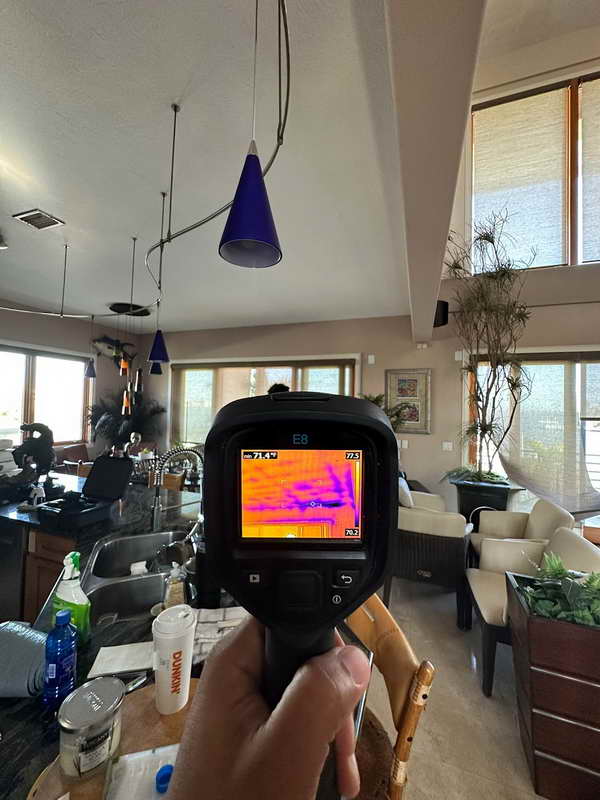
Testing works best when paired with inspection, moisture readings, and building context. On its own, it’s just data.
Why Mold Testing Gets Misunderstood in Broward County
High Humidity Blurs the Picture
Broward County homes live under constant humidity pressure. Mold spores exist everywhere, indoors and out.
That means:
- Some spores indoors are normal
- Not every spore indicates a problem
- Patterns matter more than presence
Homeowners often expect testing to deliver a simple yes-or-no answer. Real results require interpretation.
Homes Don’t Dry Out Naturally
In drier climates, homes reset between moisture events. In Broward County, moisture stacks.
Mold testing often reflects:
- Ongoing humidity
- Past water damage
- HVAC moisture issues
Results make sense only when viewed alongside moisture history.
When Mold Testing Makes the Most Sense
Mold testing adds the most value when homeowners notice:
- Musty odors that come and go
- Allergy symptoms indoors
- Past water damage
- HVAC-related smells
- Condensation problems
- Conflicting opinions about mold presence
Testing helps confirm whether concerns align with actual exposure patterns.
The Most Common Types of Mold Testing
Air Testing: The Most Misunderstood Tool
Air sampling measures airborne mold spores.
What it helps with:
- Comparing indoor air to outdoor air
- Identifying distribution patterns
- Detecting HVAC involvement
What it doesn’t do:
- Locate mold sources precisely
- Prove mold is dangerous
- Replace inspections
Air testing works best when multiple samples show consistent patterns.
Surface Testing: Useful, but Limited
Surface testing confirms whether a visible substance is mold.
It answers:
- “Is this mold?”
- “What type is present on this surface?”
It doesn’t explain:
- Why mold grew there
- Whether more mold exists elsewhere
- Whether exposure is widespread
Surface testing helps label a finding, not solve a building problem.
Bulk and Tape Samples: Situational Tools
These tests analyze pieces of material or surface swabs.
They’re useful when:
- Materials are being removed
- Visible growth needs confirmation
- Documentation is required
They still don’t replace moisture evaluation or system-level analysis.
Why Inspectors Care More About Patterns Than Numbers
One High Result Doesn’t Tell the Story
Mold spores fluctuate naturally. One elevated sample doesn’t automatically mean a major problem.
Inspectors look for:
- Elevated indoor vs outdoor levels
- Similar spores across multiple rooms
- Changes when HVAC systems run
Patterns reveal sources. Single numbers rarely do.
HVAC Systems Change Mold Testing Results Dramatically
Why HVAC Systems Matter So Much
In Broward County homes, HVAC systems appear in a large percentage of mold-related findings.
That’s because HVAC systems:
- Create condensation daily
- Collect dust easily
- Move air through the entire home
If mold exists inside the system, air testing often shows elevated levels throughout the house—even when walls look clean.
The “Every Room Tested High” Scenario
When multiple rooms test similarly, inspectors often suspect:
- Duct contamination
- Air handler moisture
- System-wide humidity issues
That pattern points away from isolated mold and toward HVAC involvement.
Outdoor Samples Matter More Than People Think
Why Outdoor Air Is the Baseline
Outdoor samples provide context. Broward County outdoor spore levels can be high naturally.
Indoor air should generally:
- Match or be lower than outdoor levels
- Show different species if indoor growth exists
Without outdoor comparison, indoor results lose meaning.
FYI, skipping outdoor samples is one of the biggest mistakes in mold testing.
Mold Testing vs Mold Inspection: Know the Difference
Testing Without Inspection Misses the Why
Testing tells you what’s in the air. Inspection tells you why.
A proper process includes:
- Visual inspection
- Moisture readings
- HVAC evaluation
- Targeted testing
Testing without inspection often leads to confusion instead of clarity.
Common Mold Testing Myths Experts See Repeatedly
“Mold Testing Finds All Mold”
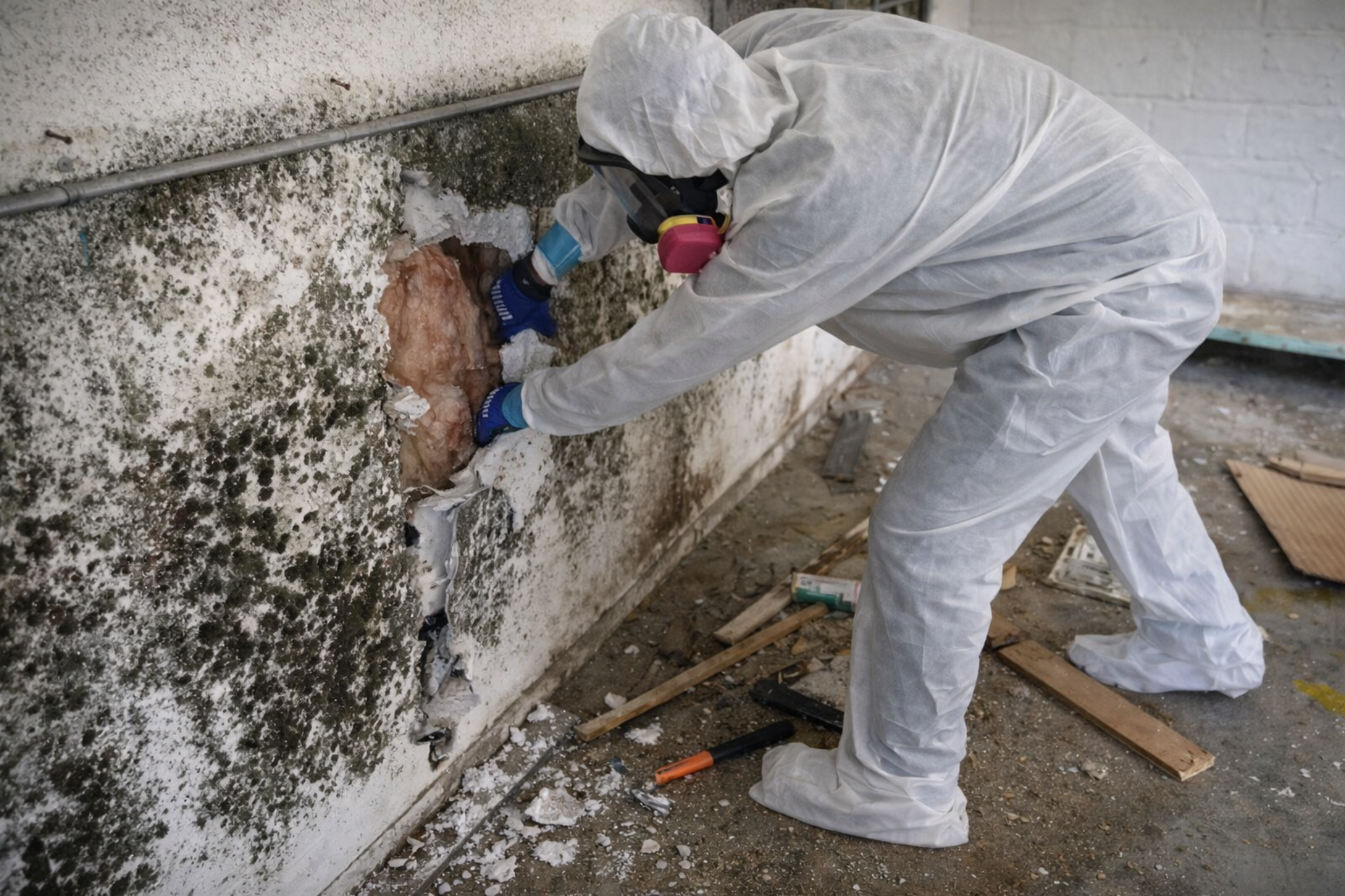
False. Testing samples air and surfaces, not every hidden cavity.
“Any Mold Result Is Bad”
False. Mold exists everywhere. Context determines risk.
“Testing Alone Tells Me What to Fix”
False. Moisture sources determine fixes, not lab names.
“If Results Are Low, There’s No Problem”
Not always. Hidden growth doesn’t always show up in air samples immediately.
Why Moisture Control Matters More Than Mold Type
Across Broward County inspections, results consistently show the same thing.
Homes with:
- High humidity
- Condensation
- Poor HVAC drainage
produce higher mold readings over time—regardless of species.
Moisture drives mold behavior. Testing just reveals the outcome.
When Mold Testing Can Save Money
Early testing often:
- Confirms whether concerns are valid
- Prevents unnecessary remediation
- Identifies system-level issues early
- Guides targeted repairs
Homes that test early often fix small problems instead of funding large projects later.
When Mold Testing Gets Expensive
Testing becomes costly when homeowners:
- Test repeatedly without fixing moisture
- Chase lab names instead of conditions
- Delay action after consistent results
- Ignore HVAC involvement
Testing without follow-through becomes a loop instead of a solution.
How Experts Interpret Mold Testing Results
Experienced professionals don’t panic over results. They evaluate:
- Moisture readings
- Airflow patterns
- Building materials
- HVAC operation
- Occupant symptoms
Testing supports decisions. It doesn’t dictate them blindly.
Health Symptoms and Mold Testing
When Testing Aligns With Symptoms
Testing is especially helpful when:
- Symptoms improve outside the home
- Issues worsen when AC runs
- Multiple occupants report problems
Those patterns often correlate with elevated indoor mold exposure—even before visible growth appears.
Why Broward County Homes Benefit From Smarter Testing
High humidity, dense housing, and year-round HVAC use create ongoing moisture pressure.
That means:
- Hidden mold appears more often
- HVAC systems spread exposure easily
- Early detection matters more here
Testing helps when it’s used as part of a bigger picture.
Practical Tips Before Scheduling Mold Testing
Homeowners should:
- Document odors and symptoms
- Note when issues worsen
- Share moisture history
- Include HVAC evaluation
- Avoid testing during abnormal events (construction, storms)
Better information leads to more useful results.
What Mold Testing Should Lead To
Good mold testing leads to:
- Clear next steps
- Moisture correction
- HVAC maintenance
- Monitoring instead of guessing
It should reduce uncertainty, not increase it.
Lessons From Real Homes in Broward County
Across real cases, one lesson repeats. Mold testing works when it supports decisions, not when it replaces them.
Homes that pair testing with inspection and moisture control resolve issues faster. Homes that chase numbers without context often feel stuck.
IMO, mold testing feels confusing only until homeowners understand its role.
Practical Takeaways Homeowners Can Use
Here’s the homeowner-friendly version:
- Mold testing shows exposure, not causes
- Patterns matter more than numbers
- HVAC systems affect results
- Moisture control determines outcomes
- Testing works best early
Those points show up in inspection reports constantly.
Final Thoughts: Mold Testing Is a Tool, Not a Verdict
Mold testing in Broward County homes doesn’t need fear to be useful. It needs context. Used correctly, it confirms concerns, guides repairs, and prevents bigger problems.
Once homeowners stop expecting testing to deliver absolute answers and start using it as part of a smart investigation, clarity replaces confusion. The best results don’t come from more tests—they come from understanding what the tests are actually saying.
