
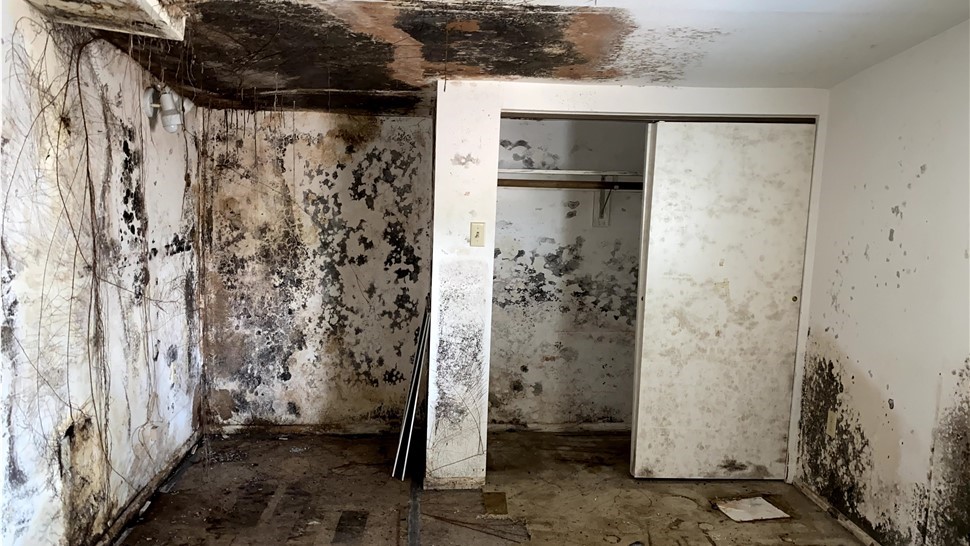
Practical Advice From Experts: Black Mold Insights for Homes in Pompano Beach
Let’s get this out of the way—black mold isn’t a movie monster, and it’s not something to ignore either. In Pompano Beach homes, black mold shows up more often than people expect, usually because moisture hangs around quietly. No fear tactics here. Just straight, practical advice from experts who actually inspect homes and deal with this stuff every day.
If you’ve seen dark patches, smelled something musty that won’t quit, or wondered whether that spot near the AC matters, you’re in the right place.
What People Mean When They Say “Black Mold”
Most homeowners use “black mold” to describe dark-colored mold growth, not a specific species. And that’s okay—what matters isn’t the name. It’s the conditions that allow it to grow.
From real inspections in Pompano Beach, black mold often appears:
- Behind drywall after slow leaks
- Under sinks and cabinets
- In bathrooms with poor ventilation
- Inside HVAC systems and ductwork
Color alone doesn’t determine risk. Moisture does. Always.
Why Pompano Beach Homes See Black Mold So Often
Coastal humidity, frequent rain, and nonstop AC use create ideal conditions. Homes rarely dry out completely, especially when windows stay closed year-round.
Common contributors we see:
- Indoor humidity staying above 55%
- Past water damage that “seemed minor”
- AC condensation buildup
- Poor airflow in certain rooms
Ever wondered why mold shows up even in clean homes? That’s why.
Early Signs Homeowners Usually Miss
Black mold rarely starts obvious. It starts subtle—and that’s where most people get caught off guard.
Early warning signs include:
- Musty odors that come and go
- Dark discoloration near vents or baseboards
- Peeling paint or bubbling drywall
- Allergy symptoms that improve outside
FYI—if a smell keeps returning, something is feeding it. Mold doesn’t hang around without a reason.
Bathrooms and Kitchens: High-Risk Zones
These rooms top the list in Pompano Beach inspections. Daily moisture plus limited ventilation equals trouble.
We commonly find black mold:
- Behind shower walls
- Under kitchen sinks
- Around plumbing penetrations
- Inside vanity cabinets
Running exhaust fans matters more than people think. Short showers plus no ventilation? That’s mold math.
HVAC Systems: Where Black Mold Hides Quietly
HVAC systems don’t cause black mold, but they support it when moisture builds up. Once mold grows inside the system, it doesn’t stay contained.
Red flags around HVAC areas include:
- Musty smells when the AC turns on
- Excess condensation near the air handler
- Dark buildup near vents
- Uneven airflow
Quick note—changing filters helps airflow, not mold growth inside the system. Different fix, different problem.
Black Mold and Health: Keeping It Real
No scare tactics here. Black mold doesn’t automatically cause severe health issues. But it can affect indoor air quality, especially over time.
Common complaints we hear:
- Chronic congestion indoors
- Headaches at home that fade outside
- Worsening allergies
- Fatigue in certain rooms
These symptoms don’t diagnose mold, but they do justify checking things out. Ignoring patterns usually costs more than investigating early.
Mold Testing: Helpful, Not Always Necessary
This gets misunderstood a lot. Testing doesn’t find mold—it supports decisions.
Testing makes sense when:
- Mold isn’t visible but symptoms exist
- Multiple areas may be affected
- HVAC involvement is suspected
- Documentation is needed
Testing doesn’t help when the moisture source and mold are already obvious. IMO, testing should clarify—not complicate.
Black Mold Removal vs. Remediation (Big Difference)
This part matters more than most homeowners realize.
Black Mold Removal
- Targets visible growth
- Often short-term
- Doesn’t always address moisture
Black Mold Remediation
- Removes mold and fixes moisture issues
- Uses containment to prevent spread
- Improves indoor air quality
- Reduces the chance of recurrence
If moisture stays, mold returns. That’s not opinion—it’s experience.
DIY Cleanup: When It Works and When It Doesn’t
DIY cleanup can help in limited situations:
- Small surface areas
- Non-porous materials
- Early-stage growth
DIY fails when:
- Mold hides behind walls
- HVAC systems are involved
- Moisture sources remain active
- Growth keeps returning
We’ve seen well-meaning DIY attempts spread mold further. That’s never the goal :/
Practical Prevention Tips That Actually Work
You don’t need extreme measures—just consistency.
Expert-backed prevention tips:
- Keep indoor humidity below 55%
- Fix leaks immediately, even small ones
- Maintain AC drain lines and coils
- Use bathroom and kitchen exhaust fans
- Don’t ignore musty odors
Small habits protect big investments.
When a Mold Inspection Makes Sense
You don’t need to panic—but you do need clarity.
A mold inspection makes sense if:
- Black mold keeps returning
- Odors persist
- Past water damage occurred
- HVAC smells musty
- Symptoms worsen indoors
Inspections provide answers, not pressure.
Final Thoughts: Black Mold Is Manageable With the Right Approach
In Pompano Beach homes, black mold is common—but it’s also manageable when handled correctly. The real risk isn’t mold itself. It’s ignoring moisture, early signs, and patterns that keep repeating.
No fear tactics needed. Just practical advice, timely action, and smart decisions. When you understand what’s actually happening in your home, black mold becomes a solvable problem—not a scary one.
