
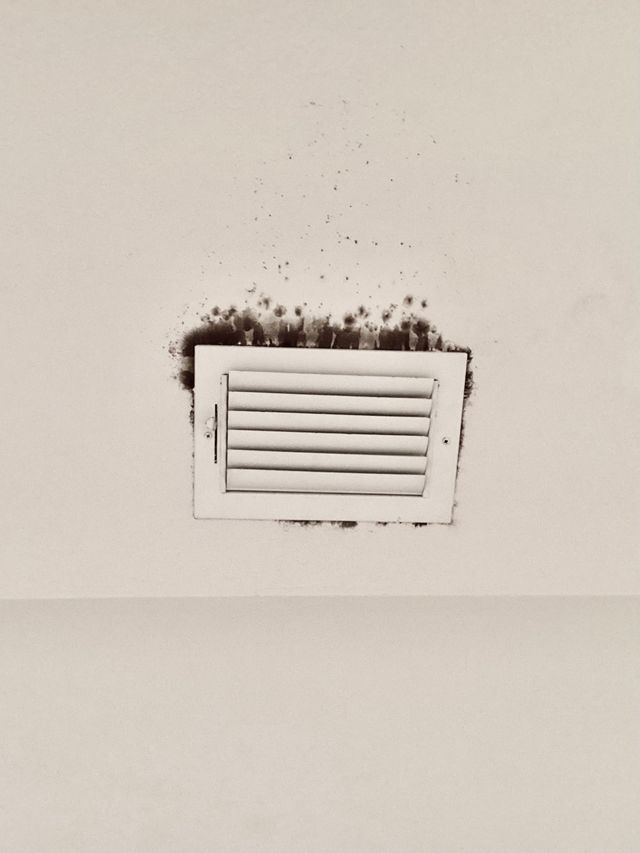
What Most People Get Wrong: Hidden Mold Insights for Homes in Oakland Park
Hidden mold causes more confusion than almost any other home issue. Homeowners swear their place looks clean, smells mostly fine, and doesn’t show any obvious damage—yet something still feels off. After inspecting plenty of homes in Oakland Park, the same reality shows up again and again: hidden mold problems don’t come from negligence, they come from misunderstandings about how mold actually behaves.
This article breaks down what people consistently get wrong about hidden mold, why those assumptions cost time and money, and what inspections really reveal inside walls, ceilings, and HVAC systems. No fear tactics. Just clarity.
The Biggest Misunderstanding Right Out of the Gate
Most homeowners believe this: If I can’t see mold, it can’t be a real problem.
That assumption causes more delayed action than anything else.
Hidden mold doesn’t need visibility to cause:
- Odors
- Air quality issues
- Allergy symptoms
- Material damage
In Oakland Park homes, hidden mold often causes problems long before anything shows up on a wall.
What “Hidden Mold” Actually Means
It’s Not Rare or Exotic
Hidden mold simply means mold growing where people don’t routinely look.
That includes:
- Behind drywall
- Inside wall cavities
- Under flooring
- Above ceilings
- Inside HVAC systems
It’s not special mold. It’s regular mold growing in hidden spaces because moisture stayed there long enough.
Why It Prefers These Areas
Hidden spaces share three things mold loves:
- Low airflow
- Limited light
- Slow drying
Once moisture enters these areas, it leaves slowly—if at all.
What Most People Get Wrong About Mold Smells
Myth: “If It Was Mold, I’d Smell It All the Time”
Reality: Smells Come and Go
Hidden mold odors often:
- Appear when the AC runs
- Show up after the home sits closed
- Get stronger during humid weather
- Disappear temporarily
That inconsistency convinces homeowners nothing serious is happening.
In reality, HVAC airflow controls when hidden mold odors reach living spaces. Mold doesn’t turn on and off—airflow does.
The “Clean House” Myth
Myth: “My Home Is Clean, So Mold Isn’t Likely”
Reality: Cleanliness Has Almost Nothing to Do With Mold
Hidden mold doesn’t care how often you vacuum.
Inspectors routinely find hidden mold in:
- Spotless homes
- Recently renovated homes
- Newer homes
- Well-maintained properties
Mold follows moisture, not dirt. A clean home with moisture problems beats a messy home without them every time.
Why Oakland Park Homes Are Prone to Hidden Mold
Humidity Never Really Leaves
Oakland Park homes deal with elevated humidity most of the year. Even when AC runs daily, moisture often stays high enough to prevent full drying.
That means:
- Materials absorb moisture slowly
- Drying takes longer
- Mold growth windows stay open
Homes don’t reset between moisture events. Moisture stacks quietly.
Small Moisture Issues Add Up
Hidden mold often traces back to:
- Past leaks that “seemed minor”
- Condensation issues
- AC drain problems
- Bathroom moisture
- Window or wall seepage
None of these feel urgent. Together, they create perfect conditions.
What People Get Wrong About Water Damage
Myth: “The Leak Was Fixed, So the Problem’s Gone”
Reality: Fixing the Leak Isn’t the Same as Drying the Damage
Stopping water stops the source. It doesn’t dry materials automatically.
Inspectors frequently find:
- Dry-looking drywall with damp backing
- Floors that feel fine but trap moisture underneath
- Insulation that never dried
Hidden mold grows after the leak stops, not during it.
HVAC Systems: The Hidden Mold Superhighway
Myth: “Mold Would Grow on Walls First”
Reality: HVAC Systems Often Come First
In Oakland Park inspections, HVAC systems show up repeatedly in hidden mold cases.
Why?
- They create condensation daily
- They collect dust easily
- They stay enclosed and dark
- They move air everywhere
Once moisture lingers inside an HVAC system, mold doesn’t stay local—it spreads.
The “Whole House Smells Off” Clue
When odors feel everywhere instead of room-specific, inspectors almost always evaluate HVAC systems first.
Walls don’t distribute odors evenly. HVAC systems do.
Condensation Is the Quiet Villain
Myth: “Condensation Is Normal and Harmless”
Reality: Repeating Condensation Is a Warning Sign
Condensation forms when warm, humid air hits cold surfaces. In Florida homes, that happens constantly.
Inspectors find condensation:
- Inside air handlers
- On duct interiors
- Behind walls near vents
- Around poorly insulated ducts
Condensation doesn’t drip dramatically, so it gets ignored. Mold loves that.
Why Hidden Mold Rarely Shows Up Early
Mold Grows Where You Don’t Look
Hidden mold grows inward first, not outward.
That means:
- The back of drywall gets contaminated before the front
- Insulation grows mold before stains appear
- Wood framing absorbs moisture before discoloration
By the time mold becomes visible, it often spread beyond the surface area.
Health Symptoms People Misinterpret
Myth: “If Mold Was the Issue, Symptoms Would Be Severe”
Reality: Early Exposure Causes Mild, Persistent Symptoms
Hidden mold exposure usually causes:
- Congestion indoors
- Sneezing at home
- Fatigue
- Headaches
- Throat irritation
Symptoms often improve outside the home. That contrast matters.
Severe reactions get attention online. Chronic low-level exposure causes more real-world problems.
What People Get Wrong About Mold Testing
Myth: “Testing Will Find All Hidden Mold”
Reality: Testing Supports Inspections—It Doesn’t Replace Them
Air testing helps identify exposure patterns. It doesn’t locate every hidden source.
Inspectors rely on:
- Moisture readings
- Building behavior
- HVAC evaluation
- Visual access points
Testing without inspection often leads to confusion instead of answers.
The DIY Trap
Myth: “If I Clean It and It Comes Back, It’s Not Serious”
Reality: Recurrence Means Conditions Stayed Favorable
DIY cleaning:
- Removes visible mold
- Leaves moisture untouched
- Spreads spores without containment
When mold comes back, it’s not stubborn—it’s supported.
FYI, many large remediation jobs start with repeated DIY attempts.
Why Hidden Mold Keeps Returning
Hidden mold almost always comes back for one reason: moisture never stopped.
Common causes include:
- Humidity left unmanaged
- Condensation ignored
- HVAC systems untreated
- Leaks fixed without drying materials
Removal without moisture correction guarantees recurrence.
What Inspectors Actually Look For
Experienced inspectors don’t chase mold spots. They follow patterns.
They evaluate:
- Indoor humidity levels
- HVAC system condition
- Drain lines and drain pans
- Duct insulation and leakage
- Past water damage indicators
Once moisture patterns appear, hidden mold becomes easier to predict.
The Cost Myth
Myth: “Waiting Saves Money”
Reality: Waiting Increases Scope
Early action often involves:
- Drying
- Minor repairs
- HVAC maintenance
Delayed action often requires:
- Material removal
- HVAC remediation
- Larger containment
Same moisture issue. Very different cost.
Lessons From Real Homes in Oakland Park
Across inspections, one lesson repeats. Hidden mold problems grow because homeowners trust what they can see instead of what the house is telling them.
Homes that respond to smells, humidity, and subtle symptoms early rarely need major remediation. Homes that wait almost always do.
IMO, hidden mold isn’t sneaky—it’s just misunderstood.
Practical Takeaways Homeowners Can Use
Here’s the short, honest version:
- Mold follows moisture, not mess
- Hidden spaces grow mold first
- HVAC systems spread exposure
- Condensation matters more than leaks
- Early investigation costs less
Those points show up in inspection reports constantly.
Final Thoughts: Hidden Mold Isn’t Invisible—It’s Ignored
Hidden mold in Oakland Park homes doesn’t appear out of nowhere. It grows when moisture stays active and assumptions delay action.
Once homeowners stop waiting for visible proof and start listening to early signals—odors, humidity, symptoms—hidden mold loses its advantage. The biggest mistake people make isn’t missing mold. It’s misunderstanding how quietly it starts.
