
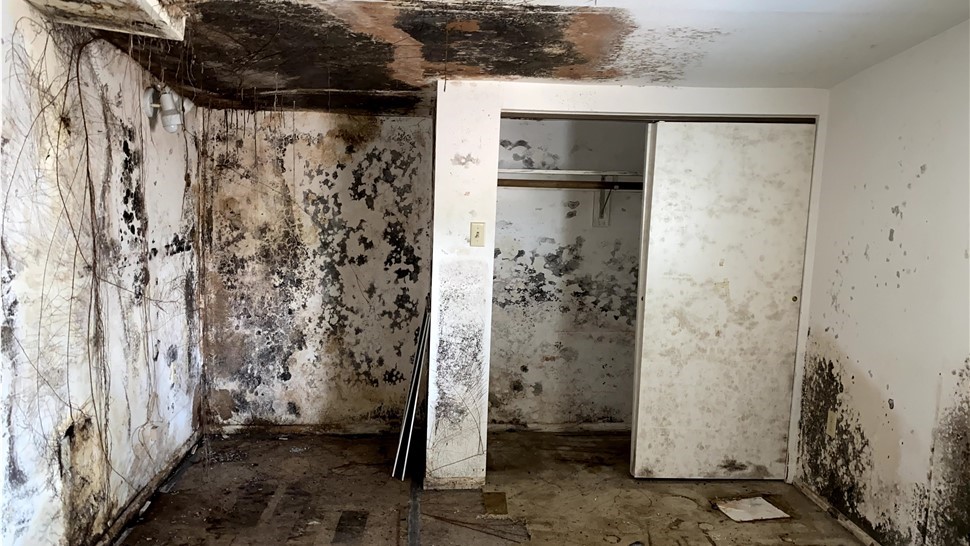
Moisture Problems Most Homeowners Miss – Practical Advice From Experts for Homes in Davie
Most moisture problems don’t show up as puddles on the floor. They show up quietly—behind walls, inside AC systems, under cabinets, and in places homeowners almost never check. In Davie homes, that quiet moisture causes more mold, damage, and expensive repairs than major floods ever do.
This isn’t about panic or scare tactics. It’s about awareness. These insights come straight from real inspections in Davie, where we see the same missed moisture issues over and over again. Let’s talk about what homeowners usually overlook—and how to catch problems early.
Mistake #1: Waiting for Visible Water Damage
Here’s the truth—by the time you see water damage, moisture has already been there for a while.
Most serious moisture issues start as:
- Slow plumbing leaks
- Minor roof leaks
- HVAC condensation buildup
- Poor ventilation
Ever wondered why mold “suddenly” appears? It didn’t. The moisture was just working quietly in the background.
Hidden Moisture Spot #1: Behind Walls Near Plumbing
This one tops the list in Davie homes. Pipes don’t always burst—they drip. And those slow leaks soak drywall, insulation, and framing without making a sound.
Common clues homeowners miss:
- Slight discoloration on walls
- Paint bubbling or peeling
- Baseboards separating slightly
- Musty smells near bathrooms or kitchens
IMO, checking plumbing-adjacent walls early saves the most money.
Hidden Moisture Spot #2: Under Sinks and Cabinets
Cabinets hide moisture beautifully. A small leak under a sink can go unnoticed for months, especially if the cabinet stays closed.
What we often find:
- Swollen or soft cabinet bases
- Damp particle board
- Mold starting underneath, not on the surface
FYI—if a cabinet smells musty when you open it, that’s not “old wood.” That’s moisture.
Hidden Moisture Spot #3: HVAC Condensation Problems
HVAC systems create moisture by design. In Davie’s climate, that moisture doesn’t always drain properly.
Common HVAC moisture issues include:
- Clogged AC drain lines
- Overflowing drain pans
- Condensation forming on ducts
- Moisture inside air handler cabinets
Ever notice water near the AC and think, “It’ll dry”? Sometimes it doesn’t—and mold loves that.
Mistake #2: Assuming Humidity Is Just a Florida Thing
Yes, Davie is humid. No, that doesn’t mean you should ignore indoor moisture problems.
High indoor humidity:
- Feeds mold growth
- Keeps materials damp longer
- Worsens HVAC condensation
Humidity above 55% consistently increases risk. If your home feels sticky or heavy, that’s a signal—not a quirk.
Hidden Moisture Spot #4: Bathrooms With “Working” Fans
Bathroom fans often work…just not well enough.
From real inspections, we find:
- Fans that don’t vent outside
- Fans too weak for room size
- Fans rarely used
Short showers plus no ventilation equals moisture buildup behind walls and ceilings. Mold doesn’t need much time.
Hidden Moisture Spot #5: Roof Leaks That “Stopped”
This one surprises homeowners every time. A roof leak that stopped dripping doesn’t mean the moisture problem ended.
What usually happens:
- Water soaked insulation
- Materials stayed damp
- Mold began growing quietly
By the time ceiling stains appear, moisture has often been present for months.
Mistake #3: Cleaning Mold Without Fixing Moisture
This is where frustration starts. Cleaning mold without fixing moisture never works long-term.
What we see after DIY cleanup:
- The spot looks better
- Moisture remains
- Mold returns
- Homeowners feel stuck
If mold keeps coming back, it’s pointing to moisture that hasn’t been addressed.
Moisture and HVAC: A Costly Combination
HVAC systems don’t cause moisture—but they move air through damp areas, which spreads problems fast.
Early HVAC-related moisture clues:
- Musty smells when the AC turns on
- Uneven cooling
- Excess condensation near vents
Quick note—changing filters helps airflow, not moisture control. Different issue.
When Moisture Problems Start Costing Real Money
Ignored moisture problems usually lead to:
- Mold remediation
- Cabinet or drywall replacement
- Duct contamination
- Higher energy bills
Early moisture correction costs far less than late-stage repairs. Always.
When a Professional Inspection Makes Sense
You don’t need to panic—but you do need clarity.
An inspection makes sense if:
- Musty odors persist
- Past leaks occurred
- Humidity stays high
- Mold keeps returning
- AC areas stay damp
Inspections replace guessing with answers.
Practical Moisture Prevention Tips That Actually Work
No extremes—just smart habits.
Expert-backed tips:
- Keep indoor humidity below 55%
- Fix leaks immediately, even small ones
- Maintain AC drain lines regularly
- Use bathroom exhaust fans every time
- Don’t ignore musty smells
Small steps prevent big repairs.
Final Thoughts: Missed Moisture Is the Real Problem
In Davie homes, mold and damage almost always trace back to missed moisture—not neglect, not bad luck. These issues hide well, grow quietly, and become expensive only when ignored.
Pay attention to patterns. Trust your instincts. And remember—catching moisture early is the cheapest fix you’ll ever make.
