
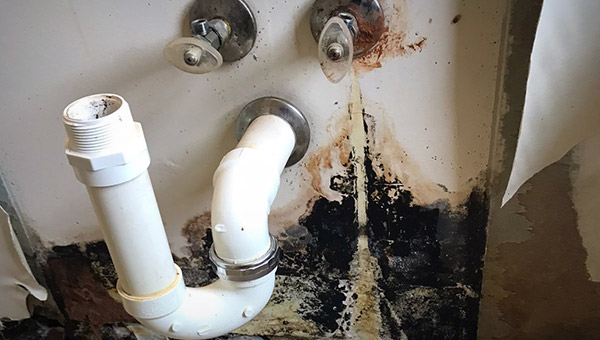
Real Risks, Not Fear Tactics: Mold Remediation Insights for Homes in Weston, Florida
If you live in Weston, you’ve probably heard extreme opinions about mold—everything from “it’s harmless” to “your house is toxic.” Real-world remediation experience lands firmly in the middle. Mold remediation is about managing risk, not panic. Most situations are controllable, predictable, and fixable when handled correctly and early.
This guide focuses on real risks without fear tactics, based on what professionals actually encounter in Weston homes—what truly matters, what doesn’t, and how smart decisions keep remediation reasonable.
What Mold Remediation Really Is (And What It Isn’t)
Let’s start with clarity.
Mold remediation is:
- Identifying and correcting moisture sources
- Containing affected areas
- Removing contaminated materials
- Protecting the rest of the home
Mold remediation is not:
- Spraying chemicals and walking away
- An automatic full-house demolition
- An emergency in most cases
In Weston homes, remediation is usually targeted, not extreme—especially when action is taken early.
Why Weston Homes See Mold Issues
Weston homes are well-built and well-maintained, but they still face Florida realities:
- High year-round humidity
- Long AC run times
- Condensation inside walls and HVAC systems
- Small plumbing leaks that go unnoticed
- Tightly sealed construction that traps moisture
Mold doesn’t need neglect—it needs moisture and time.
The Real Risks Homeowners Should Take Seriously
1) Ongoing Moisture (The Biggest Risk)
Moisture—not mold—is the primary driver of remediation scope.
Real risks include:
- High indoor humidity above 60%
- AC condensation that doesn’t drain properly
- Slow plumbing leaks behind walls or cabinets
- Poor bathroom ventilation
If moisture continues, mold will continue. Fixing moisture early keeps remediation small.
2) Hidden Mold Expansion
Most remediation growth in Weston homes is not visible at first. When mold is ignored, it spreads:
- Behind drywall
- Under cabinets
- Behind baseboards
- Inside wall cavities
Hidden spread increases removal area—not danger level, but cost and disruption.
3) HVAC Involvement (A True Cost Multiplier)
One real risk professionals watch for is HVAC contamination.
When mold reaches:
- Air handlers
- Evaporator coils
- Duct insulation
Remediation shifts from room-level to whole-home impact. Early action often prevents HVAC involvement altogether.
What Isn’t a Real Risk (Despite What You’ve Heard)
❌ “All Mold Is Dangerous”
Most household mold is common environmental mold. Risk depends on extent, exposure time, and moisture conditions, not scary names.
❌ “Homes Become Instantly Unlivable”
Most Weston remediation projects allow homeowners to remain in the house, with work isolated and contained.
❌ “One Spot Means the Whole House Is Contaminated”
Localized mold is common. Whole-house remediation is not the default.
Why DIY Cleaning Often Delays Proper Remediation
DIY cleaning isn’t evil—it’s just limited.
What typically happens:
- Surface stains are removed
- Moisture remains
- Hidden mold continues growing
- The problem resurfaces later
By the time remediation begins, the affected area is often larger than it needed to be. That’s a cost issue, not a fear issue.
How Proper Mold Remediation Actually Works
Professionals follow a calm, methodical process:
- Identify the moisture source
- Set up containment to protect clean areas
- Use HEPA filtration to control airborne spores
- Remove contaminated materials (drywall, insulation, etc.)
- Clean non-porous surfaces properly
- Correct moisture conditions so mold doesn’t return
This approach aligns with how mold behaves in real homes—not worst-case scenarios.
Health Concerns: What’s Realistic
Most health-related complaints linked to mold in Weston homes include:
- Allergy-like symptoms
- Sinus irritation
- Headaches indoors
- Asthma flare-ups in sensitive individuals
These are usually chronic exposure issues, not emergencies—and they often improve once moisture and mold are addressed.
When Mold Remediation Should Happen Sooner Rather Than Later
Early remediation is recommended when:
- Mold keeps returning after cleaning
- Odors persist or spread
- Humidity remains high
- AC smells musty when running
- Small leaks lasted longer than expected
Early action usually means smaller containment, less removal, and lower cost.
Why Waiting Costs More (Without Scare Tactics)
Waiting doesn’t make mold dangerous—it makes remediation bigger.
Delays lead to:
- More affected materials
- Deeper hidden growth
- HVAC involvement
- Longer project timelines
- Higher repair and rebuild costs
The mold didn’t change. The scope did.
Practical Prevention That Actually Works in Weston Homes
Experts consistently recommend:
- Keep indoor humidity below 60%
- Maintain AC drain lines and airflow
- Use bathroom exhaust fans consistently
- Fix small leaks immediately
- Inspect high-risk areas periodically
Prevention is about environmental control, not chemicals.
Final Thoughts: Calm, Informed Action Beats Fear Every Time
Mold remediation in Weston homes doesn’t need drama. The real risks are moisture, time, and delay—not instant danger or worst-case outcomes.
When homeowners focus on facts, act early, and avoid fear-driven decisions, remediation stays controlled, affordable, and effective. If something smells off, keeps coming back, or feels damp, that’s not panic—it’s practical information worth addressing calmly.
