
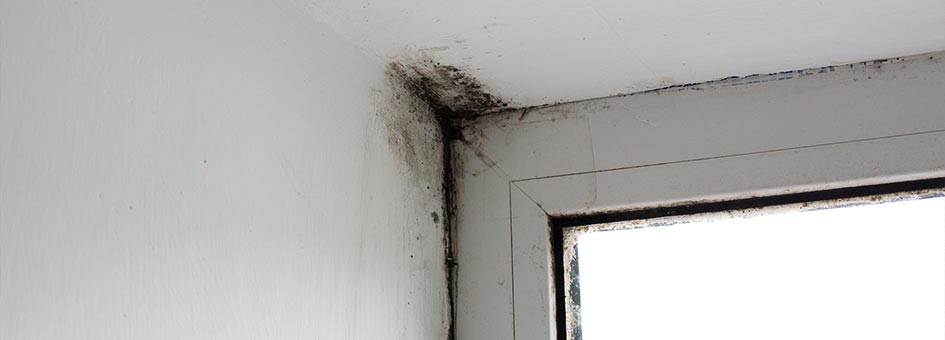
Early Warning Signs of Mold Growth – What the Data Tells Us for Homes in Tamarac
Mold doesn’t usually explode onto the scene. It eases in quietly—a smell you can’t place, air that feels heavier than it should, a room that never quite feels right. In Tamarac homes, inspection data shows the same thing over and over: homeowners notice early signs…then ignore them. That’s where costs climb.
No fear tactics here. Just real patterns pulled from actual inspections and follow-ups in Tamarac. Let’s look at the early warning signs the data keeps flagging, what people get wrong about them, and why acting early saves serious money.
What the Data Makes Clear Right Away
Across Tamarac inspections, early mold cases almost always share three traits:
- Moisture was present but underestimated
- Symptoms appeared before visible mold
- Action was delayed
By the time mold became obvious, the problem had already expanded. The takeaway? Early signs matter more than visible growth.
Early Warning Sign #1: Musty Odors That Come and Go
Inspection data consistently ranks recurring musty smells as the most common early indicator.
What homeowners often assume:
- “It’s just Florida humidity”
- “The AC needs to run more”
- “It’ll air out”
What inspections usually confirm:
- Hidden moisture behind walls
- HVAC condensation issues
- Damp insulation or cabinetry
FYI—odors that change with AC use or weather are especially telling. Mold doesn’t smell for fun; moisture feeds it.
Early Warning Sign #2: Indoor Allergy Symptoms With No Clear Cause
The data shows a strong pattern here. Many Tamarac homeowners report symptoms before any mold is visible.
Common early complaints include:
- Congestion or sneezing indoors
- Scratchy throat or mild cough
- Headaches that improve outside
- Fatigue in specific rooms
These don’t diagnose mold, but inspection data shows they often line up with hidden growth. IMO, symptoms are cheaper to investigate early than to ignore.
Early Warning Sign #3: Subtle Changes Near Vents and AC Areas
HVAC-related signs show up early in Tamarac homes—and often get dismissed.
Data-linked red flags include:
- Musty smells when the AC turns on
- Dark dust buildup near vents
- Excess condensation near the air handler
- Uneven airflow between rooms
Quick reminder: changing filters helps airflow, not mold growth inside the system. Different problem.
Early Warning Sign #4: Paint, Drywall, or Baseboards Acting “Weird”
Building materials usually react before mold becomes visible.
Inspection reports often note:
- Bubbling or peeling paint
- Soft drywall or baseboards
- Minor discoloration near ceilings or windows
- Trim pulling away slightly
These signs mean moisture lingered longer than it should have. Mold usually follows.
What the Data Says People Get Wrong
Mistake #1: Waiting for Visible Mold
Inspection data shows most mold isn’t visible early on. Hidden growth causes the majority of damage.
Mistake #2: Cleaning a Spot and Moving On
Surface cleaning doesn’t remove moisture. Data shows recurrence rates spike when moisture isn’t addressed.
Mistake #3: Blaming Everything on “Normal Florida Humidity”
Yes, Tamarac is humid. No, that doesn’t explain moisture behind walls, in HVAC systems, or under cabinets.
Why Tamarac Homes Show These Signs Early
Tamarac homes share conditions that accelerate mold growth:
- High humidity most of the year
- Heavy, constant AC use
- Homes sealed for energy efficiency
- Aging plumbing and roof systems in some areas
The data doesn’t point to neglect—it points to environment and time.
How Ignoring Early Signs Drives Up Costs
From Tamarac remediation cases, delaying action often leads to:
- Mold spreading behind walls
- Multiple rooms affected instead of one
- HVAC contamination
- Material removal instead of simple drying
Early intervention stays small. Late intervention gets invasive. That’s the cost curve the data keeps showing.
The HVAC Factor the Data Highlights
When mold reaches the HVAC system, inspection reports get longer—and so do invoices.
HVAC involvement often means:
- Spores circulating through the home
- Odors becoming widespread
- Ductwork contamination
- Repeat mold after surface cleanup
Once airflow spreads mold, scope expands fast.
When the Data Says an Inspection Makes Sense
You don’t need to panic, but the numbers are clear.
An inspection is worth it when:
- Musty odors persist or return
- Symptoms worsen indoors
- Past leaks occurred (even “minor” ones)
- AC smells off
- Indoor humidity stays high
Inspections replace guessing with facts. That’s where savings start.
Practical Prevention Tips Backed by Data
No extremes—just consistency.
Inspection-backed habits:
- Keep indoor humidity below 55%
- Fix leaks immediately, even small ones
- Maintain AC drain lines and coils
- Use bathroom exhaust fans every time
- Don’t ignore smells that keep returning
Small habits prevent big repairs. Every time.
Final Thoughts: Early Signs Are the Cheapest Warnings You’ll Get
Inspection data from Tamarac homes tells a clear story. Mold problems don’t start big—they get big when early signs are ignored. The warning signs are subtle, easy to rationalize away, and incredibly valuable if you act on them.
Trust patterns. Follow the data. Because when it comes to mold, the earliest signs are also the least expensive to fix.
