
A Homeowner’s Guide: Air Duct Mold Insights for Homes in Weston
If your home smells clean but the air still feels off, air duct mold might be doing a quiet number behind the scenes. In Weston homes, ductwork often becomes the hidden highway for mold, especially with year-round AC use and humidity that never really clocks out.
No scare tactics here. Just a clear, homeowner-friendly guide based on real inspections in Weston—what air duct mold looks like in the wild, why it shows up, and how to deal with it without overreacting.
What Air Duct Mold Actually Is (And Isn’t)
Air duct mold isn’t dust that needs a wipe-down. It’s microbial growth inside the HVAC system—often on duct liners, insulation, or near the air handler—fed by moisture and airflow.
What it is:
- Growth fueled by condensation + dust
- Often hidden from view
- Easily circulated through the home
What it isn’t:
- A sign your home is dirty
- Always visible near vents
- Fixed by changing filters alone
Ever notice odors when the AC kicks on? That timing matters.
Why Weston Homes See Air Duct Mold More Often
Weston homes are well-built, sealed tight, and heavily air-conditioned. That’s great for energy efficiency—but it also means moisture can linger.
From real inspections, common contributors include:
- Indoor humidity staying above 55%
- Long AC run times with short dehumidification cycles
- Condensation inside ducts and air handlers
- Dust buildup feeding growth on damp surfaces
Clean homes get duct mold too. Moisture doesn’t care how tidy you are.
Early Signs Homeowners Miss
Air duct mold rarely announces itself loudly. It drops hints.
Watch for:
- Musty smells when the AC turns on
- Odors that come and go with cooling cycles
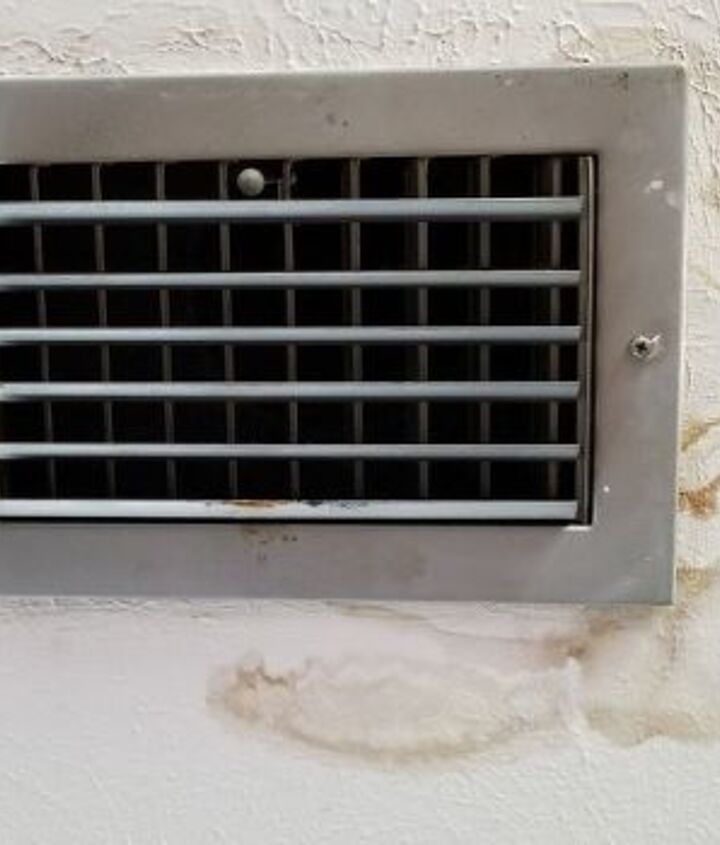
- Dark buildup around vents (not just dust)
- Allergy symptoms that improve outside
- Uneven airflow or rooms that feel “heavy”
FYI—if the smell tracks the AC, follow the airflow.
How Mold Gets Into Air Ducts
Mold needs moisture first. Ducts don’t create it—but they hold onto it.
Common moisture paths we see:
- Condensation forming on cool duct surfaces
- Clogged or slow AC drain lines
- Leaky duct connections pulling in humid air
- Insulation inside ducts staying damp
Once moisture sticks, dust supplies the food. Mold does the rest.
Why Filters Don’t Fix Air Duct Mold
This one comes up a lot. Filters help airflow—not mold growing upstream.
Filters don’t:
- Stop condensation
- Clean duct interiors
- Remove mold on liners or insulation
- Prevent growth inside the air handler
Changing filters is good maintenance. It’s just not the cure for duct mold.
Duct Lining vs. Metal Ducts: Why It Matters
Many Weston homes have lined or flex ducts. These materials absorb moisture more easily than bare metal.
Inspection patterns show:
- Lined ducts hold moisture longer
- Mold embeds into insulation
- Cleaning has limits once growth sets in
When mold embeds into duct lining, replacement sometimes becomes the practical option. Not always—but sometimes. Context matters.
Air Duct Mold and Indoor Air Quality
No drama—just patterns. Homes with duct mold often report:
- Persistent musty odors
- Allergy flare-ups indoors
- Headaches that fade outside
- Fatigue in certain rooms
These symptoms don’t diagnose mold. But when they line up with HVAC clues, inspections usually connect the dots.
Cleaning vs. Remediation: Big Difference
Here’s the fork in the road.
Duct Cleaning
- Removes dust and debris
- Helps airflow
- Limited impact if mold is present
Air Duct Mold Remediation
- Addresses moisture sources
- Cleans or replaces contaminated materials
- Uses containment and HEPA filtration
- Reduces recurrence when done right
IMO, remediation beats repeat cleanings when mold is involved.
When Mold Testing Helps (And When It Doesn’t)
Testing supports decisions—it doesn’t find mold.
Testing helps when:
- Mold isn’t visible
- HVAC involvement is suspected
- Multiple rooms show symptoms
- Documentation is needed
Testing doesn’t help when the plan won’t change. Keep it practical.
Prevention That Actually Works in Weston Homes
You don’t need extreme upgrades—just consistency.
Expert-backed habits:
- Keep indoor humidity below 55%
- Maintain AC drain lines and coils
- Address condensation immediately
- Seal duct leaks
- Don’t ignore musty smells tied to AC use
Small habits protect big systems.
When to Consider an Inspection
An inspection makes sense if:
- Odors appear when the AC runs
- Humidity stays high despite cooling
- Allergies worsen indoors
- Past water issues occurred
- Ducts haven’t been checked in years
Inspections replace guessing with clarity—and that saves money.
Final Thoughts: Air Duct Mold Is Manageable When You Catch It Early
In Weston homes, air duct mold is common, quiet, and very manageable when addressed early. The real risk isn’t mold itself—it’s letting moisture linger and airflow spread the problem.
Pay attention to patterns. Follow the smells. And if something feels off when the AC runs, trust that signal. Early action keeps air duct mold a maintenance issue—not a major repair.
