
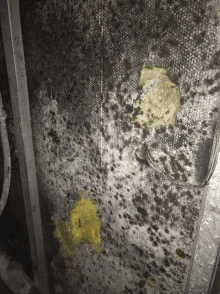
Why Mold Keeps Returning After DIY Cleaning – What Most People Get Wrong for Homes in Pembroke Pines
You scrub it. You spray it. It disappears. And then—boom—it’s back. If that cycle feels familiar, you’re not doing anything wrong. In Pembroke Pines homes, mold returning after DIY cleaning is one of the most common frustrations we hear about.
No scare tactics here. Just real-world insight from inspections and follow-ups in Pembroke Pines that explain why mold keeps coming back, what most people misunderstand, and how to break the cycle for good.
The Big Misunderstanding: Cleaning Mold ≠ Solving Mold
This is the core issue. DIY cleaning removes what you see—not what’s feeding it.
What DIY cleaning usually does:
- Removes surface discoloration
- Makes the area look better
- Temporarily reduces odor
What it usually doesn’t do:
- Eliminate hidden moisture
- Reach mold inside porous materials
- Address growth behind walls or cabinets
If moisture stays, mold returns. Every time.
Why Pembroke Pines Homes See Repeat Mold So Often
Pembroke Pines homes deal with constant humidity, heavy AC use, and materials that don’t dry easily. That environment lets moisture linger—even after visible mold is gone.
From real inspections, repeat mold usually traces back to:
- Indoor humidity staying above 55%
- Slow plumbing leaks behind walls
- AC condensation that never fully dries
- Bathrooms or closets with poor ventilation
Clean homes still get repeat mold. Moisture doesn’t care how much elbow grease you use.
Mistake #1: Using Bleach on Everything
Bleach feels powerful—but it’s a short-term fix at best.
Here’s what bleach does (and doesn’t do):
- ✔️ Lightens stains on non-porous surfaces
- ❌ Doesn’t penetrate drywall, wood, or grout
- ❌ Leaves moisture behind as it evaporates
We regularly find mold thriving under areas homeowners treated with bleach. It looked clean. It wasn’t solved.
Mistake #2: Ignoring Hidden Mold Growth
Most recurring mold isn’t coming from the same visible spot. It’s coming from behind or underneath it.
Common hidden sources in Pembroke Pines homes:
- Behind drywall near plumbing
- Under bathroom vanities and kitchen sinks
- Inside HVAC air handlers and ductwork
- Above ceilings after minor roof leaks
By the time mold shows on the surface again, it’s already been active out of sight.
Mistake #3: Overlooking Humidity Control
This one gets dismissed as “just Florida.” But humidity is the fuel.
When indoor humidity stays high:
- Surfaces dry slowly
- Mold regrows faster
- DIY cleaning becomes pointless
If your home feels cool but still sticky, humidity—not cleanliness—is the problem.
The HVAC Factor Most DIY Fixes Miss
HVAC systems don’t cause mold—but they support and spread it when moisture builds up.
Repeat mold cases often involve:
- Condensation inside air handlers
- Clogged AC drain lines
- Damp duct interiors
- Musty smells when the AC turns on
Quick reminder: changing filters helps airflow, not mold growing inside the system. Different problem.
Why Fans and Open Windows Don’t Finish the Job
Air movement helps—but it doesn’t solve trapped moisture.
DIY drying usually fails because:
- Moisture stays inside walls or insulation
- Porous materials don’t fully dry
- AC reintroduces humidity
Dry to the touch doesn’t mean dry where it matters.
Mold Removal vs. Fixing the Cause (This Is the Fork in the Road)
Here’s where outcomes split.
DIY Mold Removal
- Cleans visible mold
- Temporary results
- High chance of recurrence
Moisture Correction + Proper Remediation
- Removes mold
- Fixes the moisture source
- Prevents repeat growth
IMO, fixing moisture is what actually saves money. Cleaning alone just resets the clock.
Signs DIY Cleaning Isn’t Enough Anymore
You don’t need to panic—but patterns matter.
DIY usually isn’t enough if:
- Mold keeps returning in the same area
- Odors persist
- New spots appear nearby
- Symptoms worsen indoors
- The AC smells musty
At that point, the problem is bigger than the surface.
What Actually Stops Mold From Coming Back
You don’t need extreme solutions—just the right ones.
What works long-term:
- Keep indoor humidity below 55%
- Fix leaks immediately, even small ones
- Maintain AC drain lines and coils
- Improve ventilation in bathrooms and closets
- Address HVAC moisture issues early
Small changes break the cycle.
When a Professional Inspection Makes Sense
An inspection helps when:
- Mold keeps returning after cleaning
- Moisture sources aren’t obvious
- HVAC involvement is suspected
- Multiple areas are affected
Inspections replace guessing with clarity—and clarity saves money.
Final Thoughts: Mold Isn’t Stubborn—It’s Fed
In Pembroke Pines homes, mold keeps returning after DIY cleaning because the conditions never changed. Mold isn’t being difficult. It’s doing exactly what moisture allows it to do.
Once you stop feeding it—by controlling moisture instead of just cleaning surfaces—the cycle finally ends. That’s when mold becomes a maintenance issue, not a recurring headache.
