
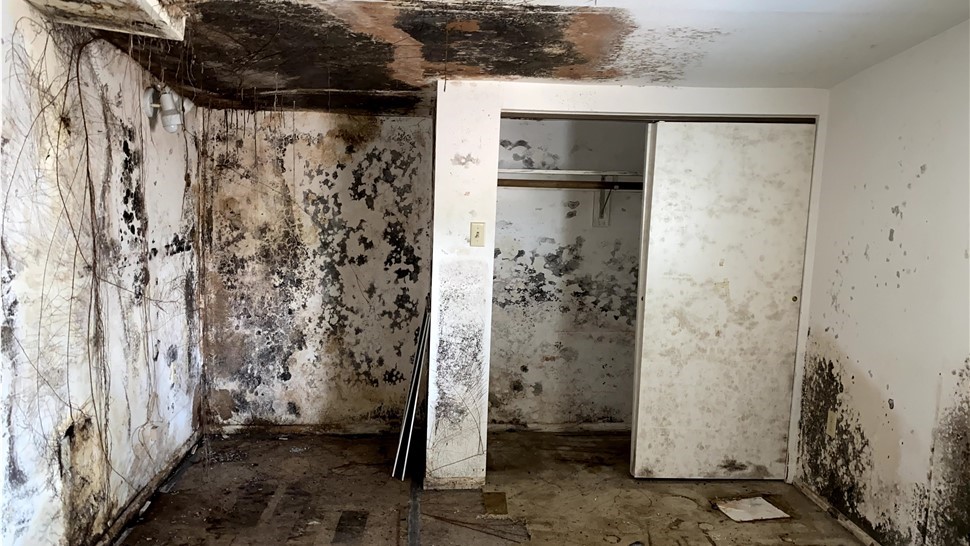
What the Data Tells Us: Black Mold Insights for Homes in Davie
Black mold gets talked about like it’s either nothing…or the end of the world. The data says it’s neither. In Davie homes, black mold follows clear, repeatable patterns tied to moisture, humidity, and HVAC behavior. When homeowners understand those patterns, problems stay manageable. When they don’t, costs climb.
No fear tactics here—just what inspection data, moisture readings, and remediation outcomes in Davie actually show. Let’s break it down.
First, What People Mean by “Black Mold”
Most homeowners use “black mold” to describe dark-colored mold growth, not a specific species. And that’s fine—because color isn’t the risk factor.
The data is clear:
- Moisture drives mold growth
- Time allows spread
- Location determines impact
We find dark mold in Davie homes in many forms, and the response depends far more on where and why it’s growing than what it’s called.
Where the Data Shows Black Mold Starts Most Often
Across Davie inspections, black mold shows up in predictable places—areas that stay damp the longest.
Top locations include:
- Behind drywall near plumbing lines
- Under sinks and cabinets
- Bathrooms with poor ventilation
- HVAC air handlers and ductwork
- Ceilings after minor roof leaks
Ever wondered why mold appears “out of nowhere”? Data says it didn’t—it just stayed hidden.
Why Davie Homes See Black Mold So Frequently
Davie checks all the Florida boxes:
- High humidity most of the year
- Heavy, year-round AC use
- Homes sealed for energy efficiency
- Older plumbing and roof systems in some areas
Inspection data shows black mold isn’t about cleanliness. It’s about moisture sticking around longer than expected.
The Moisture Factor the Data Keeps Pointing To
If we had to pick one takeaway from Davie data, it’s this: black mold almost always traces back to missed moisture.
Common moisture sources include:
- Slow plumbing leaks behind walls
- AC condensation that doesn’t drain properly
- Roof leaks that “stopped” but left materials wet
- Poor airflow in bathrooms and closets
When moisture stays longer than 24–48 hours in porous materials, mold odds rise fast.
HVAC Systems: A Major Data Flag
HVAC-related black mold shows up again and again in Davie reports.
Data-linked HVAC issues include:
- Mold inside air handlers
- Condensation on coils and cabinets
- Damp duct interiors
- Musty smells when the AC turns on
FYI—filters help airflow, not mold growth inside HVAC components. The data is consistent on that point.
What the Data Confirms About Health Complaints
No scare talk—just patterns.
Homes with black mold often report:
- Persistent musty odors
- Congestion or allergy symptoms indoors
- Headaches that improve outside
- Fatigue in certain rooms
These symptoms don’t diagnose mold, but inspection data shows they often line up with hidden growth, especially when HVAC systems are involved.
What the Data Says About DIY Cleanup
This is where expectations collide with reality.
Inspection follow-ups show that DIY cleaning alone has a high recurrence rate when:
- Mold is on porous materials
- Moisture sources aren’t fixed
- Growth is behind walls or inside HVAC systems
Bleach and sprays improve appearance—not conditions. If moisture stays, mold resumes. That’s not opinion; it’s repeat data.
Black Mold Removal vs. Black Mold Remediation (Data Matters Here)
The data shows a clear split in long-term outcomes.
Black Mold Removal
- Targets visible growth
- Lower upfront cost
- Higher recurrence rates
Black Mold Remediation
- Addresses moisture sources
- Uses containment and filtration
- Removes or replaces affected materials
- Significantly lower recurrence
IMO, remediation costs more up front—but the data favors it when mold isn’t isolated.
Why Waiting Changes the Numbers
Davie remediation data shows delays almost always lead to:
- Larger affected areas
- Multiple rooms involved
- HVAC contamination
- Higher total costs
Early action keeps projects smaller. Waiting lets square footage—and invoices—grow.
What the Data Says Actually Prevents Black Mold
No extremes. Just consistency.
Data-backed prevention steps:
- Keep indoor humidity below 55%
- Fix leaks immediately, even small ones
- Maintain AC drain lines and coils
- Use bathroom exhaust fans every time
- Don’t ignore musty odors that return
Homes that follow these habits show fewer repeat issues. Consistently.
When the Data Supports an Inspection
An inspection makes sense when:
- Black mold keeps returning
- Odors persist
- HVAC smells musty
- Past water damage occurred
- Humidity stays high despite AC use
Inspections replace guessing with evidence—and that’s where costs come down.
Final Thoughts: Black Mold in Davie Is Predictable, Not Mysterious
The data from Davie homes tells a steady story. Black mold isn’t random, rare, or unbeatable. It follows moisture. It spreads with time. And it becomes expensive only when ignored.
When homeowners act early and focus on moisture—not just appearances—black mold stays a manageable issue instead of a major one. That’s not fear. That’s just what the numbers keep showing.
