
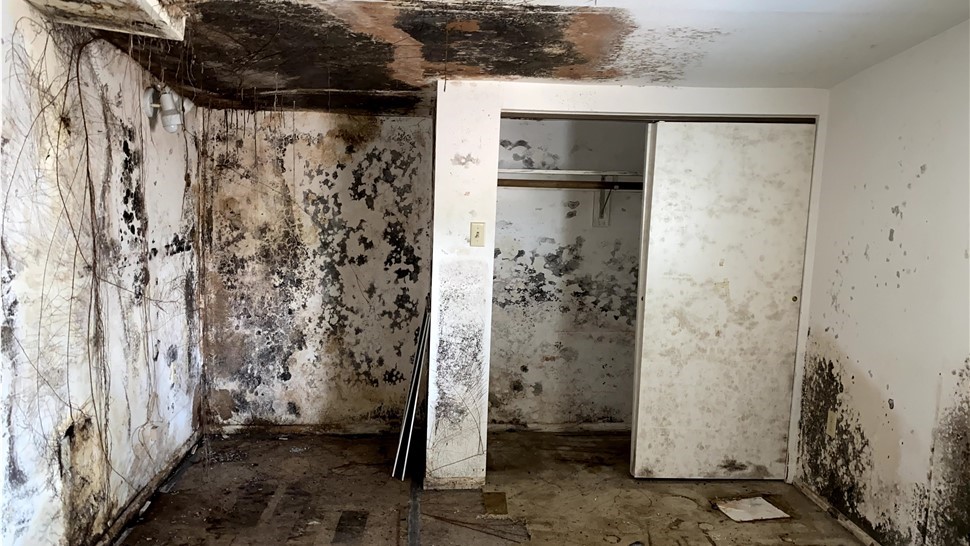
Moisture Problems Most Homeowners Miss – The Science Explained Simply for Homes in Pembroke Pines
Moisture problems don’t usually show up as obvious leaks or soggy floors. In Pembroke Pines homes, they hide, linger, and quietly cause damage long before anyone realizes what’s happening. The science behind it isn’t complicated—and once you understand it, a lot of “mystery” mold and odor issues suddenly make sense.
No fear tactics here. Just a simple, practical breakdown of how moisture behaves in Florida homes, where it hides, and why missing it early almost always costs more later.
The Big Idea (In Plain English)
Moisture problems happen when water enters a space and can’t fully dry out.
That’s it.
No drama. No complex chemistry.
Florida homes are especially vulnerable because:
- Humidity stays high most of the year
- AC systems cool air faster than they dry materials
- Homes stay closed up for efficiency
When moisture sticks around longer than 24–48 hours, materials start changing—even if they look dry on the surface.
Why “Dry to the Touch” Isn’t Actually Dry
This is where most homeowners get tripped up.
Materials like drywall, wood, insulation, and cabinets:
- Absorb moisture internally
- Dry slowly without airflow
- Trap water behind finished surfaces
So while the surface may feel dry, moisture can still be sitting underneath, quietly creating the perfect environment for mold and material breakdown.
Ever wondered why problems show up weeks after a leak? This is why.
Hidden Moisture Spot #1: Behind Walls Near Plumbing
Slow plumbing leaks are the MVP of hidden moisture problems in Pembroke Pines.
What happens:
- A small drip forms behind drywall
- Drywall absorbs moisture like a sponge
- No visible stain appears right away
- Mold and damage begin behind the wall
By the time paint bubbles or smells appear, moisture has already done its work.
Hidden Moisture Spot #2: Under Sinks and Cabinets
Cabinets are moisture’s favorite hiding place.
Why?
- Leaks don’t always drip onto the floor
- Particle board absorbs water easily
- Closed cabinets limit airflow
Inspections often find damp, swollen cabinet bases long before homeowners notice anything wrong. If a cabinet smells musty when opened, that’s a science clue—not an age issue.
Hidden Moisture Spot #3: HVAC Condensation (A Big One)
Your AC doesn’t just cool air—it pulls moisture out of it. That moisture has to go somewhere.
Problems start when:
- Drain lines clog or slow down
- Drain pans overflow slightly
- Condensation forms on cool surfaces
- Moisture never fully dries
In Pembroke Pines homes, HVAC condensation is one of the most common missed moisture sources. And once moisture enters the system, airflow helps spread its effects.
FYI—changing filters helps airflow, not moisture control.
Hidden Moisture Spot #4: Bathrooms With “Working” Fans
Bathroom fans often turn on—but don’t actually remove much moisture.
Common issues we see:
- Fans venting into attics instead of outside
- Fans too weak for the room size
- Fans rarely used during showers
Steam rises, moisture spreads, and materials behind walls stay damp longer than expected. Mold doesn’t need a flood—just repeated steam with nowhere to go.
Hidden Moisture Spot #5: Roof Leaks That “Stopped”
This one surprises people every time.
A roof leak that stops dripping:
- Still may have soaked insulation
- Leaves materials damp for weeks
- Creates perfect mold conditions
The stain might fade. The moisture often doesn’t.
Why Humidity Makes All of This Worse
Humidity slows drying. Period.
When indoor humidity stays above 55%:
- Wet materials dry much slower
- Condensation forms more easily
- Mold growth risk increases
If your home feels cool but still sticky, humidity—not temperature—is the issue. And moisture problems last longer because of it.
Why DIY Drying Often Fails
Fans and open windows help—but they don’t reach trapped moisture.
DIY drying usually fails because:
- Moisture sits behind walls or under materials
- Porous materials don’t release water easily
- AC cycles reintroduce humidity
Drying the air isn’t the same as drying the structure.
How Missed Moisture Turns Into Expensive Problems
From real Pembroke Pines cases, missed moisture often leads to:
- Mold remediation instead of simple drying
- Cabinet, drywall, or insulation replacement
- HVAC contamination
- Repeat issues after cleanup
Early moisture correction is cheap. Late moisture correction is invasive. That’s the pattern every time.
Simple Science-Based Prevention That Works
No extremes. Just consistency.
What actually helps:
- Keep indoor humidity below 55%
- Fix leaks immediately—even small ones
- Maintain AC drain lines and coils
- Use bathroom exhaust fans every time
- Pay attention to musty smells
Moisture problems don’t need guesswork—they need awareness.
When a Moisture or Mold Inspection Makes Sense
You don’t need to panic—but clarity matters.
An inspection is worth it if:
- Odors keep returning
- Humidity stays high
- Past leaks occurred
- Mold keeps coming back
- AC areas stay damp
Inspections replace assumptions with data—and that saves money.
Final Thoughts: Moisture Is Quiet, Predictable, and Fixable
In Pembroke Pines homes, moisture problems don’t explode—they accumulate. The science behind them is simple: water plus time equals damage. The longer moisture hides, the more it costs.
Pay attention to patterns. Respect humidity. And remember—catching moisture early is the cheapest repair you’ll ever make.
