
What the Data Tells Us: Black Mold Insights for Homes in Weston, Florida
If you live in Weston, the phrase “black mold” probably triggers instant concern. Online searches tend to swing between panic and dismissal—but inspection data from real Weston homes paints a much calmer, clearer picture. Black mold isn’t rare, mysterious, or automatically dangerous. It’s usually a predictable outcome of moisture that stayed too long.
This guide breaks down what the data actually shows about black mold in Weston homes—where it’s found, why it appears, what people misunderstand, and how homeowners can respond without fear tactics.
First, Let’s Clear Up the Term “Black Mold”
“Black mold” is not a single mold type.
It’s a visual description—dark-colored mold growth that can include several species.
What the data confirms:
- Color alone does not determine risk
- Many black-looking molds are common indoor molds
- The conditions (moisture + time) matter more than the name
In inspections, black mold is treated as a moisture indicator first, not a diagnosis.
Where Black Mold Is Most Often Found in Weston Homes
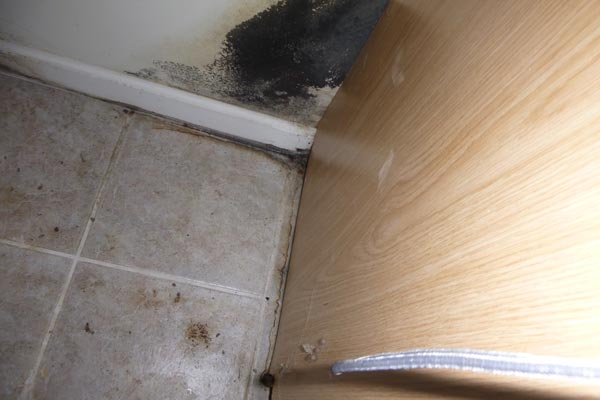
Inspection data from Weston homes shows black mold most commonly appearing in hidden or low-visibility areas, including:
- Behind bathroom walls and vanities
- Under kitchen and bathroom sinks
- Inside AC air handlers and drain pans
- Behind baseboards after slow leaks
- Closets along exterior walls with poor airflow
These areas share three things: darkness, moisture, and limited air movement.
The Moisture Patterns Behind Black Mold (What Data Shows)
Black mold doesn’t appear randomly. In Weston homes, inspection reports repeatedly link it to:
- High indoor humidity (often above 60%)
- AC condensation that doesn’t drain properly
- Small plumbing leaks that go unnoticed
- Poor bathroom ventilation
- Window or door intrusion during rain
One key takeaway from the data:
Small, long-term moisture problems cause more black mold than big floods dried quickly.
Why Weston Homes Are Especially Prone
Weston homes are well-built, but they face Florida realities:
- Tightly sealed construction traps humidity
- AC systems run most of the year
- Condensation forms during normal cooling cycles
- Moisture doesn’t dry out naturally indoors
The data shows newer, cleaner homes often develop hidden black mold faster than older, draftier ones—simply because moisture stays trapped longer.
Black Mold and Indoor Air: What the Data Confirms
When black mold is present, inspection data often shows:
- Elevated indoor mold spores compared to outdoors
- HVAC systems distributing spores throughout the home
- Odors and symptoms appearing before visible growth
This explains why homeowners report:
- Musty smells that come and go
- Allergies worsening indoors
- Headaches or fatigue at home
You don’t need to see black mold for it to affect indoor air quality.
Common Myths the Data Disproves
Myth #1: “Black Mold Is Always Toxic”
Data says: Most black mold found in homes is common environmental mold. Risk depends on extent and exposure, not color.
Myth #2: “If It’s Black, the House Is Dangerous”
Data says: Most cases are localized and manageable when addressed early.
Myth #3: “Bleach Solves Black Mold”
Data says: Bleach cleans stains, not embedded growth—especially on porous materials.
Why DIY Cleaning Often Makes Black Mold Seem Worse
Inspection data shows repeated DIY cleaning leads to:
- Temporary disappearance
- Faster regrowth
- Spread to nearby materials
Why? Because:
- Moisture wasn’t corrected
- Mold roots remained inside materials
- Hidden sources kept releasing spores
Recurring black mold is a moisture signal, not a cleaning failure.
When Black Mold Becomes a Bigger Problem (Data-Based)
Black mold issues expand when:
- Moisture is ignored
- Growth spreads behind walls
- HVAC systems become involved
- Cleaning replaces investigation
Delayed action turns small, contained remediation into larger, more invasive work.
What the Data Says Actually Works
Homes with lasting results consistently:
- Correct moisture sources first
- Control humidity below 60%
- Use proper containment during removal
- Address HVAC moisture issues
- Remove contaminated porous materials when needed
When moisture is fixed, black mold stops returning.
When Weston Homeowners Should Investigate Further
Data suggests deeper evaluation is warranted if:
- Black mold keeps returning after cleaning
- Musty odors persist
- Humidity always feels high
- AC smells change when running
- Symptoms worsen indoors
Early investigation keeps solutions limited and affordable.
The Cost Reality: Time Matters More Than Mold Type
One of the clearest findings from remediation data:
Time—not mold color—is the biggest cost driver.
Early action usually means:
- Smaller containment
- Less material removal
- Lower overall cost
Waiting allows black mold to spread quietly—raising costs without increasing danger.
Final Thoughts: Data Brings Perspective, Not Panic
What the data tells us about black mold in Weston homes is reassuring. It’s common, explainable, and manageable when moisture is addressed early. Black mold isn’t a verdict—it’s a signal.
.
