
Facts vs Common Myths: Mold Inspection Insights for Homes in Miramar, Florida
If you live in Miramar, chances are you’ve heard mixed opinions about mold inspections. Some people think inspections are only needed when mold is obvious. Others believe an inspection automatically means expensive remediation is coming next. Both ideas are wrong—and real inspection data proves it.
This guide breaks down facts vs common myths about mold inspections, based on what inspectors actually find inside Miramar homes. No fear tactics. Just clear, practical insight so homeowners understand what inspections really do—and when they actually help.
What a Mold Inspection Really Is (Fact First)
Fact: A mold inspection is an information-gathering process.
It focuses on:
- Identifying moisture problems
- Finding visible and hidden mold indicators
- Evaluating indoor conditions that support growth
- Determining whether mold is likely present—even if unseen
Myth: A mold inspection is the same as mold remediation.
Reality: Inspection comes before any decision about removal is made.
FACT vs MYTH #1: “If I Don’t See Mold, I Don’t Need an Inspection”
Myth: No visible mold = no mold problem.
Fact: Most mold discovered during inspections in Miramar is hidden.
Inspectors frequently find mold:
- Behind bathroom walls and vanities
- Under kitchen and bathroom sinks
- Behind baseboards
- Inside AC air handlers or duct insulation
By the time mold becomes visible, it has usually been present for weeks or months.
FACT vs MYTH #2: “Mold Inspections Are Only for Old Homes”
Myth: Newer homes don’t need mold inspections.
Fact: Newer homes can actually be more prone to hidden mold.
Inspection data from Miramar homes shows:
- Tighter construction traps humidity
- Reduced natural airflow
- Longer AC run times
These conditions allow moisture to linger—creating ideal mold environments even in newer properties.
FACT vs MYTH #3: “An Inspection Means the House Is ‘Bad’”
Myth: A mold inspection labels a home as unsafe or defective.
Fact: Most inspections uncover manageable moisture issues, not extreme problems.
In real Miramar inspections:
- Many findings are localized
- Early detection prevents large repairs
- Simple corrections often stop mold before remediation is needed
An inspection doesn’t condemn a home—it clarifies what’s happening inside it.
FACT vs MYTH #4: “Mold Inspections Only Look for Mold”
Myth: Inspectors only look for visible mold.
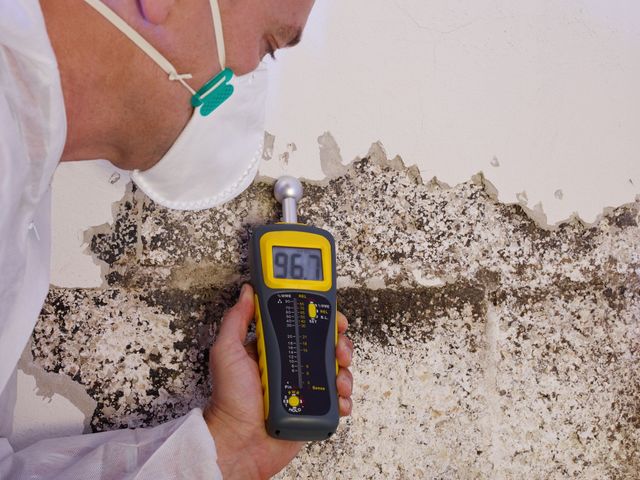
Fact: Moisture detection is a major part of mold inspections.
Inspectors evaluate:
- Moisture levels in walls and ceilings
- Condensation around HVAC systems
- Leak-prone plumbing areas
- Humidity patterns throughout the home
Because moisture always comes before mold, inspections often stop problems before mold fully develops.
FACT vs MYTH #5: “If I Clean Mold, I Don’t Need an Inspection”
Myth: Cleaning mold removes the need for inspection.
Fact: Recurring mold is one of the top reasons inspections are requested.
Inspection data shows:
- DIY cleaning removes surface stains, not sources
- Moisture often remains after cleaning
- Hidden mold continues to grow
If mold keeps returning, an inspection helps identify why, not just where.
Why Mold Inspections Are Common in Miramar Homes
Miramar homes face conditions that make inspections especially useful:
- High year-round humidity
- Frequent rainstorms
- AC systems running most of the year
- Condensation inside HVAC systems
- Slab construction that limits drying
These factors allow mold-related issues to develop quietly—making inspections valuable even when homes look clean.
HVAC Systems: A Frequent Inspection Focus
One consistent inspection finding in Miramar homes involves HVAC systems.
Inspectors often discover:
- Mold inside air handlers
- Moisture buildup in drain pans
- Condensation in duct insulation
- Odors linked to system operation
Because HVAC systems circulate air everywhere, inspections often start there when symptoms or smells feel house-wide.
FACT vs MYTH #6: “Mold Testing Is Always Required”
Myth: Every inspection must include lab testing.
Fact: Testing is situational, not automatic.
Testing is typically used when:
- Mold is suspected but not visible
- Indoor air quality concerns exist
- Comparing indoor vs outdoor conditions
- Documentation is needed
Many inspections rely on visual evidence and moisture data alone.
What Mold Inspections Do Not Do
To stay realistic, inspections do not:
- Automatically require remediation
- Diagnose medical conditions
- Turn minor issues into emergencies
- Replace moisture control work
They provide clarity, not conclusions.
Signs Miramar Homeowners Should Consider an Inspection
Inspection data shows homeowners often request evaluations when:
- Musty odors persist
- Mold keeps returning after cleaning
- Allergy symptoms worsen indoors
- AC smells change when running
- Water damage occurred—even if minor
- Humidity always feels high
These are early indicators, not worst-case scenarios.
Why Early Inspections Save Money
Data consistently shows:
- Early inspections limit affected areas
- Repairs stay targeted
- HVAC systems are less likely to be involved
- Total costs stay lower
Waiting often allows mold to spread behind surfaces—turning small issues into larger projects.
Common Myths That Delay Smart Decisions
Myth: “Inspections Are Just Sales Tools”
Reality: Inspections often prevent unnecessary remediation.
Myth: “I’ll Wait Until It Gets Worse”
Reality: Mold problems rarely get cheaper with time.
Myth: “Humidity Is Normal—Nothing Can Be Done”
Reality: Controlled humidity dramatically reduces mold risk.
Practical Advice From Inspection Data
Based on real Miramar homes:
- Monitor indoor humidity (aim below 60%)
- Take recurring odors seriously
- Address small leaks immediately
- Don’t rely on repeated surface cleaning
- Use inspections to gather information early
Inspections work best before problems escalate.
Final Thoughts: Facts Bring Clarity, Not Fear
Mold inspections in Miramar homes aren’t about panic—they’re about understanding what’s happening behind the walls. The data shows most mold-related issues are predictable, moisture-driven, and manageable when identified early.
