
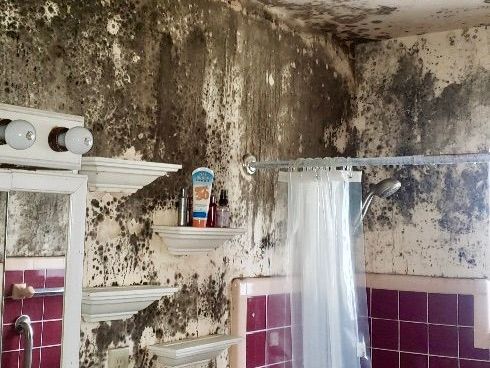
What Most People Get Wrong: Mold Removal Insights for Homes in Pompano Beach, Florida
If you own a home in Pompano Beach, chances are you’ve heard plenty of advice about mold removal—some helpful, some wildly misleading. In real homes, most mold problems don’t get worse because of neglect alone. They get worse because homeowners are given the wrong expectations about what mold removal actually is.
This guide breaks down what most people get wrong about mold removal, based on what professionals actually see inside Pompano Beach homes every day. No scare tactics—just clear, practical insight.
Mistake #1: Thinking Mold Removal Is Just “Cleaning”
This is the most common misunderstanding.
What people think:
Scrub it, spray it, wipe it—problem solved.
What actually happens:
Mold grows into materials like drywall, wood, grout, caulk, and insulation. Surface cleaning removes stains, not embedded growth or the moisture feeding it.
That’s why mold often:
- Looks gone for a few weeks
- Comes back in the same spot
- Spreads nearby over time
Cleaning treats the symptom. Removal addresses the cause.
Mistake #2: Believing Bleach Is a Mold Solution
Bleach is one of the most misunderstood tools in mold removal.
What most people don’t realize:
- Bleach is mostly water
- It stays on the surface of porous materials
- Mold roots remain underneath
- Added moisture can actually speed up regrowth
Inspection data shows areas repeatedly treated with bleach often experience faster and more aggressive regrowth, not less.
Mistake #3: Assuming Mold Is Only Where You See It
Visible mold is rarely the full picture.
In Pompano Beach homes, professionals often find hidden mold:
- Behind bathroom walls and vanities
- Under kitchen and bathroom sinks
- Behind baseboards after small leaks
- Inside AC air handlers and drain pans
- In duct insulation
Homeowners remove what’s visible—while hidden sources continue releasing spores. That’s why mold seems to “mysteriously” return.
Mistake #4: Ignoring Moisture Because There’s No Leak
Many homeowners believe mold needs flooding or obvious leaks. It doesn’t.
In Pompano Beach, mold removal cases often trace back to:
- Indoor humidity above 60%
- AC condensation that doesn’t drain properly
- Poor bathroom ventilation
- Small plumbing leaks that went unnoticed
Moisture doesn’t have to drip to cause mold. Persistent dampness is enough.
Mistake #5: Thinking Mold Removal Automatically Means Major Demolition
This fear delays action more than anything else.
Reality:
Most mold removal projects are localized and controlled when handled early.
Major demolition usually happens when:
- Mold was ignored for too long
- Moisture continued unchecked
- HVAC systems became involved
Early removal almost always means less disruption, not more.
Mistake #6: Overlooking the HVAC System
One of the biggest reasons mold removal fails is HVAC involvement that goes unnoticed.
Professionals frequently find mold in:
- Air handlers
- Evaporator coils
- Drain pans
- Internally insulated ductwork
When mold is in the HVAC system, spores are redistributed every time the AC runs—recontaminating cleaned areas.
Ignoring HVAC moisture turns small mold issues into whole-home problems.
Mistake #7: Believing Mold Removal Fixes Moisture
Mold removal doesn’t prevent mold from returning unless moisture conditions are corrected.
Real removal includes:
- Identifying moisture sources
- Correcting humidity and condensation
- Removing contaminated materials
- Cleaning remaining surfaces properly
- Verifying drying before rebuilding
Without moisture control, mold removal becomes a cycle—not a solution.
Why Pompano Beach Homes Are Especially Vulnerable
Pompano Beach homes face:
- High year-round humidity
- Long AC run times
- Coastal moisture exposure
- Condensation from cooling warm air
- Slab construction that traps moisture
These conditions mean mold grows faster and spreads quietly. Waiting rarely works in South Florida.
What Mold Removal Actually Looks Like When Done Right
Proper mold removal focuses on:
- Moisture identification and correction
- Containment to protect clean areas
- HEPA filtration to control airborne spores
- Removal of contaminated porous materials
- Detailed cleaning of remaining surfaces
- Verification that conditions won’t support regrowth
It’s methodical, not dramatic.
When Homeowners Should Stop DIY and Reassess
Consider professional evaluation if:
- Mold keeps returning
- Odors persist or spread
- The home always feels damp
- AC smells musty when running
- Allergy symptoms worsen indoors
Repeated cleaning without answers usually means the real source hasn’t been found yet.
The Cost Reality: What Most People Miss
Most expensive mold removal jobs didn’t start big. They started as:
- Small bathroom spots
- Mild musty smells
- Minor leaks that seemed resolved
Time—not mold type—is what drives cost.
Early removal stays contained. Delayed removal expands.
Final Thoughts: Understanding Mold Removal Prevents Mistakes
In Pompano Beach homes, mold removal goes wrong when expectations are wrong. Mold isn’t a cleaning problem, a bleach problem, or a cosmetic issue—it’s a moisture problem.
What Most People Get Wrong: Mold Removal Insights for Homes in Pompano Beach, Florida
If you own a home in Pompano Beach, chances are you’ve heard plenty of advice about mold removal—some helpful, some wildly misleading. In real homes, most mold problems don’t get worse because of neglect alone. They get worse because homeowners are given the wrong expectations about what mold removal actually is.
This guide breaks down what most people get wrong about mold removal, based on what professionals actually see inside Pompano Beach homes every day. No scare tactics—just clear, practical insight.
Mistake #1: Thinking Mold Removal Is Just “Cleaning”
This is the most common misunderstanding.
What people think:
Scrub it, spray it, wipe it—problem solved.
What actually happens:
Mold grows into materials like drywall, wood, grout, caulk, and insulation. Surface cleaning removes stains, not embedded growth or the moisture feeding it.
That’s why mold often:
- Looks gone for a few weeks
- Comes back in the same spot
- Spreads nearby over time
Cleaning treats the symptom. Removal addresses the cause.
Mistake #2: Believing Bleach Is a Mold Solution
Bleach is one of the most misunderstood tools in mold removal.
What most people don’t realize:
- Bleach is mostly water
- It stays on the surface of porous materials
- Mold roots remain underneath
- Added moisture can actually speed up regrowth
Inspection data shows areas repeatedly treated with bleach often experience faster and more aggressive regrowth, not less.
Mistake #3: Assuming Mold Is Only Where You See It
Visible mold is rarely the full picture.
In Pompano Beach homes, professionals often find hidden mold:
- Behind bathroom walls and vanities
- Under kitchen and bathroom sinks
- Behind baseboards after small leaks
- Inside AC air handlers and drain pans
- In duct insulation
Homeowners remove what’s visible—while hidden sources continue releasing spores. That’s why mold seems to “mysteriously” return.
Mistake #4: Ignoring Moisture Because There’s No Leak
Many homeowners believe mold needs flooding or obvious leaks. It doesn’t.
In Pompano Beach, mold removal cases often trace back to:
- Indoor humidity above 60%
- AC condensation that doesn’t drain properly
- Poor bathroom ventilation
- Small plumbing leaks that went unnoticed
Moisture doesn’t have to drip to cause mold. Persistent dampness is enough.
Mistake #5: Thinking Mold Removal Automatically Means Major Demolition
This fear delays action more than anything else.
Reality:
Most mold removal projects are localized and controlled when handled early.
Major demolition usually happens when:
- Mold was ignored for too long
- Moisture continued unchecked
- HVAC systems became involved
Early removal almost always means less disruption, not more.
Mistake #6: Overlooking the HVAC System
One of the biggest reasons mold removal fails is HVAC involvement that goes unnoticed.
Professionals frequently find mold in:
- Air handlers
- Evaporator coils
- Drain pans
- Internally insulated ductwork
When mold is in the HVAC system, spores are redistributed every time the AC runs—recontaminating cleaned areas.
Ignoring HVAC moisture turns small mold issues into whole-home problems.
Mistake #7: Believing Mold Removal Fixes Moisture
Mold removal doesn’t prevent mold from returning unless moisture conditions are corrected.
Real removal includes:
- Identifying moisture sources
- Correcting humidity and condensation
- Removing contaminated materials
- Cleaning remaining surfaces properly
- Verifying drying before rebuilding
Without moisture control, mold removal becomes a cycle—not a solution.
Why Pompano Beach Homes Are Especially Vulnerable
Pompano Beach homes face:
- High year-round humidity
- Long AC run times
- Coastal moisture exposure
- Condensation from cooling warm air
- Slab construction that traps moisture
These conditions mean mold grows faster and spreads quietly. Waiting rarely works in South Florida.
What Mold Removal Actually Looks Like When Done Right
Proper mold removal focuses on:
- Moisture identification and correction
- Containment to protect clean areas
- HEPA filtration to control airborne spores
- Removal of contaminated porous materials
- Detailed cleaning of remaining surfaces
- Verification that conditions won’t support regrowth
It’s methodical, not dramatic.
When Homeowners Should Stop DIY and Reassess
Consider professional evaluation if:
- Mold keeps returning
- Odors persist or spread
- The home always feels damp
- AC smells musty when running
- Allergy symptoms worsen indoors
Repeated cleaning without answers usually means the real source hasn’t been found yet.
The Cost Reality: What Most People Miss
Most expensive mold removal jobs didn’t start big. They started as:
- Small bathroom spots
- Mild musty smells
- Minor leaks that seemed resolved
Time—not mold type—is what drives cost.
Early removal stays contained. Delayed removal expands.
Final Thoughts: Understanding Mold Removal Prevents Mistakes
In Pompano Beach homes, mold removal goes wrong when expectations are wrong. Mold isn’t a cleaning problem, a bleach problem, or a cosmetic issue—it’s a moisture problem.
Homeowners who understand what most people get wrong act earlier, spend less, and avoid unnecessary stress. If mold keeps coming back or something feels off indoors, that’s not overreacting—it’s your signal to stop guessing and start addressing the real cause.
