
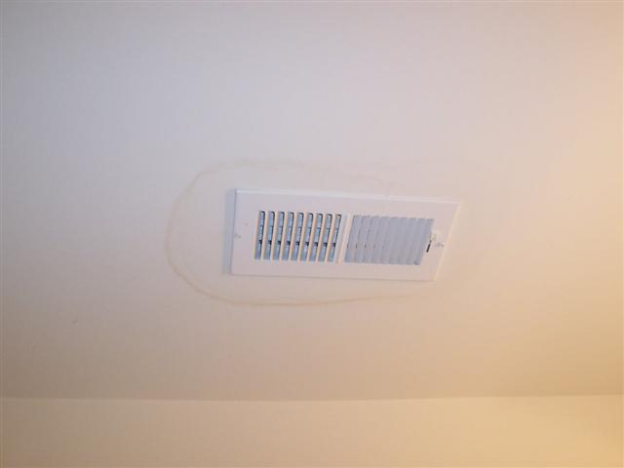
How Humidity Impacts Indoor Air Quality – What the Data Tells Us for Homes in Coral Springs, Florida
If you live in Coral Springs, humidity isn’t just a comfort issue—it’s one of the biggest drivers of indoor air quality (IAQ) problems. While many homeowners focus on temperature, inspection data from real Coral Springs homes shows that humidity levels quietly shape how healthy (or unhealthy) indoor air becomes.
This article explains, in plain language, what the data actually tells us about humidity and indoor air quality in Coral Springs homes—no fear tactics, just facts backed by real inspection patterns.
Humidity: The Most Overlooked Indoor Air Quality Factor
Indoor air quality isn’t only about dust or allergens. Data from South Florida inspections consistently shows that humidity above 60% is the tipping point where IAQ starts to decline.
What the data shows in Coral Springs homes:
- Many homes stay above 60% humidity for long periods
- AC systems cool air without always removing enough moisture
- Mild, rainy days often produce worse indoor humidity than hot days
High humidity doesn’t have to feel extreme to cause problems—it just has to be persistent.
How High Humidity Changes the Air You Breathe
From an IAQ standpoint, elevated humidity creates a chain reaction:
- Mold spores survive and multiply more easily
- Dust mites thrive in humid environments
- Air feels heavy and stale
- Odors linger longer
- Allergens stay airborne or active
The result isn’t dramatic overnight illness—it’s gradual, chronic discomfort that homeowners often normalize.
Mold and Humidity: What the Data Confirms
Inspection data repeatedly links indoor mold presence with sustained humidity rather than obvious leaks.
Key findings include:
- Mold growth often appears without flooding
- Hidden mold correlates strongly with long-term humidity
- Visible mold is usually a late-stage indicator
In Coral Springs homes, mold is frequently found:
- Behind drywall and baseboards
- Under sinks and cabinets
- Inside air handlers and duct insulation
- In closets with limited airflow
Humidity quietly feeds all of these areas.
HVAC Systems: Where Humidity and IAQ Intersect
HVAC systems are designed to help control humidity—but they don’t always succeed.
Data shows IAQ issues increase when:
- Systems are oversized and short-cycle
- Drain lines partially clog
- Airflow is restricted
- AC runs during mild, humid weather
When humidity isn’t managed well:
- Condensation increases
- Mold growth becomes more likely
- Odors appear when the AC runs
- Spores distribute throughout the home
That’s why IAQ complaints often feel house-wide, not localized.
Odors: One of the Earliest Humidity Indicators
Inspection data consistently links persistent odors to humidity issues.
Common descriptions include:
- Musty or earthy smells
- Damp or stale air
- Odors strongest in closets or spare rooms
- Smells that worsen after rain
These odors are rarely cosmetic. They’re data points pointing to excess moisture in the indoor environment.
Health Patterns Linked to Humidity-Driven IAQ Issues
While inspectors don’t diagnose health conditions, the data shows clear patterns:
Homeowners often report:
- Allergy symptoms worse indoors
- Sinus pressure at home
- Headaches or fatigue indoors
- Asthma flare-ups in humid conditions
A recurring theme:
“I feel better when I leave the house.”
That correlation often leads back to humidity-related IAQ issues, not outdoor air.
Why Coral Springs Homes Are Especially Affected
Coral Springs homes share factors that allow humidity to linger:
- High outdoor humidity most of the year
- Long AC run times
- Slab construction limiting natural drying
- Tightly sealed homes for energy efficiency
Newer and well-maintained homes can actually experience higher indoor humidity if moisture isn’t actively managed.
Common Humidity Myths the Data Disproves
Myth: “If it feels cool, humidity is fine”
Data says: Temperature and humidity are separate. Cool air can still be damp.
Myth: “Humidity only matters during summer”
Data says: Mild, rainy weather often creates the worst indoor humidity.
Myth: “AC automatically controls humidity”
Data says: AC helps—but system design and conditions matter.
What the Data Shows Actually Improves IAQ
Inspection-backed strategies that consistently help:
- Keep indoor humidity below 60%
- Maintain AC drain lines and airflow
- Use bathroom and kitchen exhaust fans
- Improve airflow in closets and enclosed rooms
- Fix small leaks immediately
- Use dehumidification when needed
IAQ improves when moisture is controlled, not when chemicals are added.
When Coral Springs Homeowners Should Look Deeper
Data suggests further evaluation is warranted when:
- Musty odors persist
- Mold keeps returning after cleaning
- Indoor humidity never drops
- AC smells change when running
- The home always feels damp
These are early indicators, not worst-case scenarios.
Cost Reality: Why Ignoring Humidity Gets Expensive
Humidity-related problems grow quietly:
- Mold spreads behind walls
- More materials become affected
- HVAC systems get involved
- Remediation scope expands
Early humidity control is inexpensive. Late-stage remediation is not.
Final Thoughts: The Data Is Clear on Humidity
What the data tells us about Coral Springs homes is simple and reassuring: humidity plays a bigger role in indoor air quality than most homeowners realize, but it’s also one of the easiest factors to control when addressed early.
When humidity is managed, indoor air feels fresher, odors fade, mold growth slows, and comfort improves. If your home feels damp, smells musty, or only feels uncomfortable indoors, that’s not imagination—it’s data in real life.
In Coral Springs, controlling humidity isn’t optional. It’s the foundation of healthy indoor air.
