
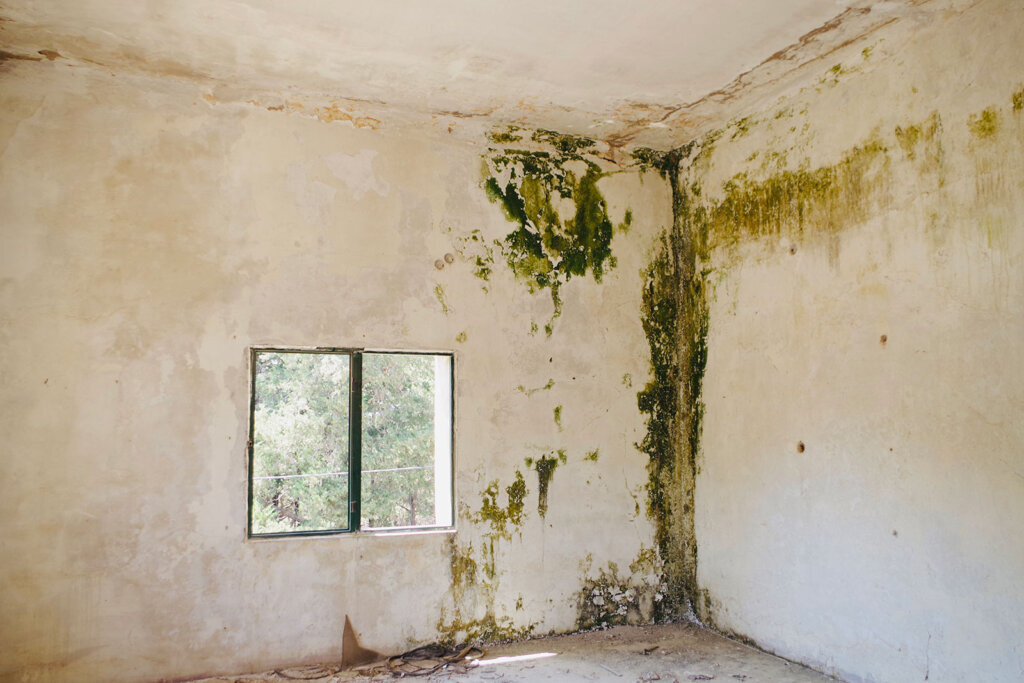
Lessons From Real Inspections: Mold Remediation Insights for Homes in Sunrise, Florida
If you own a home in Sunrise, chances are you’ve heard plenty of advice about mold remediation—some accurate, some wildly misleading. What actually matters isn’t what sounds right, but what shows up again and again during real inspections inside Sunrise homes.
This article shares practical mold remediation lessons pulled straight from real inspections, not theory, not fear tactics—just what works, what fails, and why mold problems keep returning when remediation misses the mark.
Lesson #1: Mold Remediation Fails When Moisture Isn’t Fixed First
The most consistent inspection finding in Sunrise:
Mold was removed—but moisture stayed.
Real remediation doesn’t start with chemicals or demolition. It starts with identifying:
- High indoor humidity
- Condensation from AC systems
- Slow plumbing leaks
- Bathroom or laundry moisture buildup
When moisture remains, mold almost always returns—often in the same spot, sometimes somewhere new.
Lesson #2: Visible Mold Is Rarely the Whole Problem
During inspections, visible mold usually leads to more discoveries behind walls.
Common hidden locations in Sunrise homes:
- Behind bathroom vanities
- Under kitchen and bathroom sinks
- Behind baseboards along exterior walls
- Inside closets with poor airflow
Cleaning what you can see often leaves the real source untouched.
Lesson #3: HVAC Systems Are Frequently Involved
One of the biggest remediation mistakes is ignoring the HVAC system.
In Sunrise homes, inspections commonly uncover mold in:
- Air handler cabinets
- Evaporator coils
- Drain pans and drain lines
- Internally insulated or flex ducts
When HVAC systems are involved:
- Mold spores circulate throughout the home
- Odors feel house-wide
- Cleaning one area doesn’t stop regrowth
Remediation that skips HVAC evaluation is often incomplete.
Lesson #4: Containment Makes or Breaks the Outcome
A major difference between successful and failed remediation is containment.
Inspections of failed jobs often show:
- Mold disturbed without isolating the area
- Spores spread to clean rooms
- New mold growth appearing elsewhere
Proper containment keeps mold from spreading during removal, protecting the rest of the home.
Lesson #5: Bleach and DIY Products Create False Confidence
One of the most common patterns we see:
“We cleaned it, but it keeps coming back.”
Why?
- Bleach doesn’t penetrate porous materials
- Mold roots remain embedded
- Added moisture can accelerate regrowth
Repeated DIY cleaning delays proper remediation and often allows mold to spread further behind surfaces.
Lesson #6: Duct Material Matters More Than People Realize
Not all ducts respond the same to mold remediation.
From inspections:
- Bare metal ducts may be cleanable if contamination is light and moisture is corrected
- Internally insulated or flex ducts often need replacement once contaminated
Trying to clean contaminated insulated ducts frequently leads to repeat remediation and higher long-term costs.
Lesson #7: Odors Are an Early Remediation Signal
Most remediation projects start after homeowners notice:
- Musty odors that won’t go away
- Smells strongest when the AC runs
- Odors that return after cleaning
These odors are rarely cosmetic—they usually point to active moisture and hidden mold, especially in HVAC systems or wall cavities.
Lesson #8: Early Remediation Is Smaller and Cheaper
Inspection data from Sunrise homes shows a clear trend:
- Early remediation stays localized
- Fewer materials need removal
- HVAC systems are less likely to be involved
- Disruption is minimal
Late remediation often requires:
- Opening multiple walls
- Removing cabinets or flooring
- Cleaning or replacing ductwork
- Rebuilding affected areas
Time—not mold type—is what drives cost.
Lesson #9: Mold Remediation Is a Process, Not a Product
Successful remediation follows a sequence:
- Identify and correct moisture
- Isolate affected areas
- Remove contaminated materials
- Clean remaining surfaces properly
- Control humidity moving forward
Skipping steps almost guarantees repeat problems.
Why Sunrise Homes Are Especially Prone to Mold Issues
Sunrise homes face:
- High year-round humidity
- Long AC run times
- Condensation from cooling warm, moist air
- Slab construction limiting drying
- Tightly sealed homes that trap moisture
These conditions mean mold problems don’t resolve on their own.
Warning Signs Sunrise Homeowners Should Act On
Based on real inspections, don’t ignore:
- Mold that keeps returning
- Musty odors tied to AC operation
- A home that always feels humid
- Walls that feel cool or damp
- Allergy symptoms worse indoors
These are early remediation signals—not worst-case scenarios.
What Actually Prevents Mold From Returning
Homes that avoid repeat remediation consistently:
- Keep indoor humidity below 60%
- Maintain AC drain lines and airflow
- Fix small leaks immediately
- Use bathroom exhaust fans correctly
- Investigate odors early
Mold stops growing when conditions change, not when stronger cleaners are used.
Final Thoughts: Real Lessons Save Real Money
From real inspections in Sunrise, one lesson stands out: mold remediation works when it’s done methodically, early, and with moisture control at the center. Failures happen when remediation focuses on appearance instead of conditions.
If mold keeps returning, odors linger, or your home just doesn’t feel right indoors, that’s not bad luck—it’s a signal. Acting on it early keeps remediation smaller, less disruptive, and far more affordable for Sunrise homeowners.
