
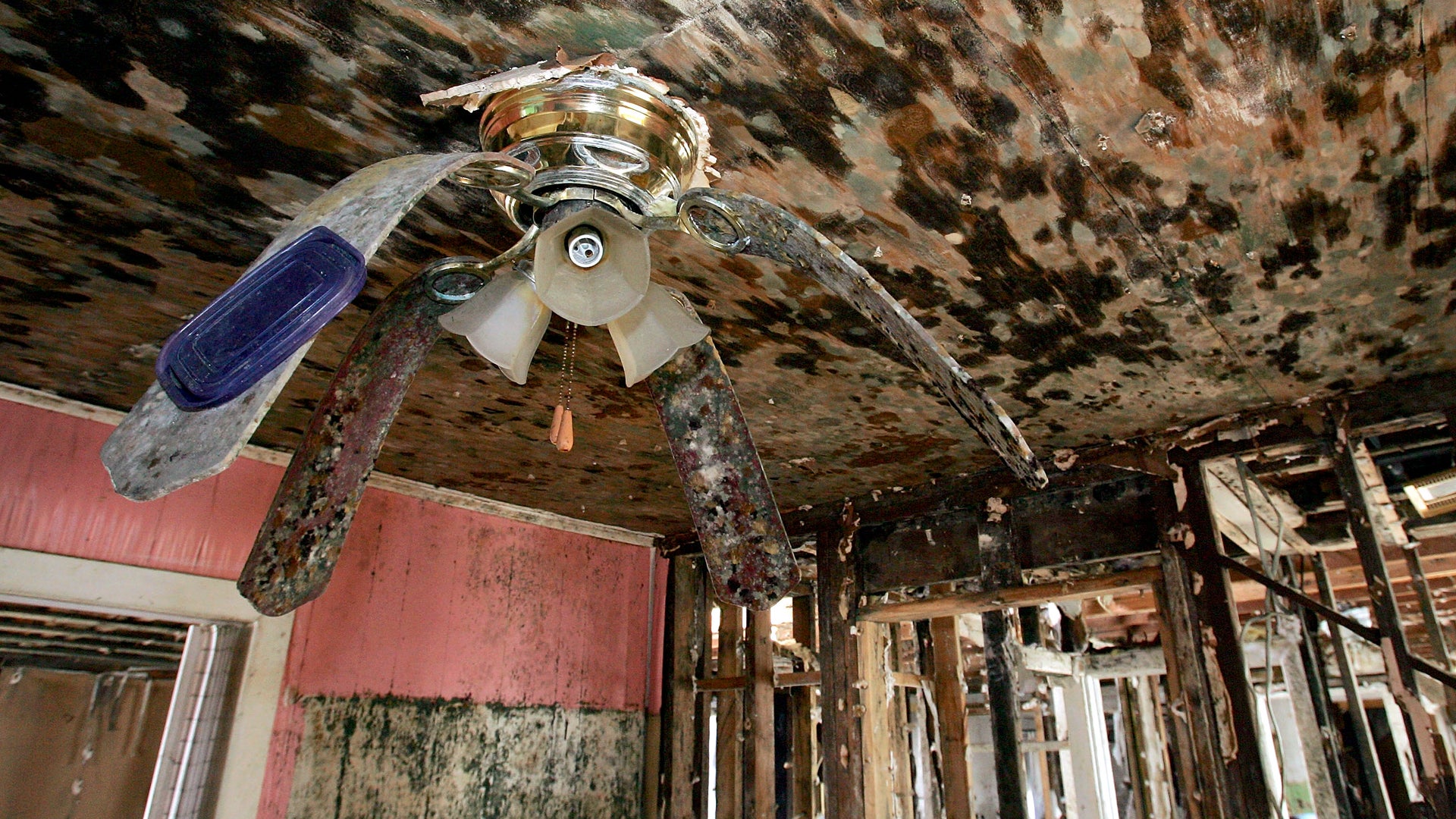
Why Mold Keeps Returning After DIY Cleaning – What the Data Tells Us for Homes in Fort Lauderdale, Florida
If you live in Fort Lauderdale, you’re not alone if you’ve cleaned mold more than once—only to see it come back. Real inspection data across Fort Lauderdale homes shows a consistent pattern: mold that keeps returning isn’t stubborn—it’s misunderstood.
This article explains why DIY mold cleaning so often fails, using real-world inspection findings and data—not fear tactics, not exaggeration. Just clear reasons mold returns and what actually stops it.
The Big Data Takeaway: Mold Returns Because the Cause Was Never Removed
Across Fort Lauderdale inspections, one conclusion shows up again and again:
DIY cleaning removes mold stains, not mold conditions.
Mold doesn’t grow because surfaces are dirty. It grows because moisture and materials allow it to. If those conditions stay the same, mold regrowth is expected—even after aggressive cleaning.
Why DIY Cleaning Looks Like It Works (At First)
Data shows most homeowners see short-term success because:
- Surface mold is removed or lightened
- Odors temporarily fade
- Areas look clean and dry
But inspections later reveal:
- Mold roots still embedded in porous materials
- Moisture still present behind surfaces
- Active growth continuing out of sight
That’s why mold often returns in the same spot or nearby within weeks.
Reason #1 Mold Keeps Returning: Moisture Was Never Fixed
Inspection data from Fort Lauderdale homes consistently shows moisture issues behind repeat mold cases.
Common hidden moisture sources include:
- Indoor humidity above 60%
- AC condensation that doesn’t drain fully
- Slow plumbing leaks
- Bathroom moisture without proper ventilation
- Minor exterior water intrusion after rain
DIY cleaning rarely addresses any of these.
Reason #2: Bleach and Store-Bought Sprays Don’t Penetrate
One of the strongest data-backed findings:
- Bleach kills surface mold only
- It does not penetrate drywall, wood, grout, or insulation
- The water content can feed mold deeper inside materials
This explains why inspections often find heavier mold growth behind areas repeatedly treated with bleach.
Reason #3: Most Mold Is Hidden, Not Visible
Inspection data shows that in Fort Lauderdale homes:
- The majority of mold affecting air quality is behind walls, cabinets, or HVAC systems
- Visible mold is usually a late-stage clue
Common hidden locations include:
- Under kitchen and bathroom sinks
- Behind bathroom vanities
- Behind baseboards along exterior walls
- Inside AC air handlers and drain pans
DIY cleaning only treats what you can see.
Reason #4: HVAC Systems Quietly Redistribute Mold
One of the most overlooked data points:
When mold involves the HVAC system, DIY cleaning almost always fails.
Inspections frequently uncover mold in:
- Air handler cabinets
- Evaporator coils
- Drain pans and drain lines
- Internally insulated or flex ducts
Once involved, HVAC systems circulate spores throughout the home—causing recurring mold in multiple areas, even after cleaning.
Reason #5: Humidity Alone Can Cause Regrowth
In Fort Lauderdale’s climate, humidity itself is often enough.
Data shows mold growth accelerates when:
- Indoor humidity stays above 60%
- AC systems short-cycle
- Mild, rainy weather limits dehumidification
Homeowners often say:
“There’s no leak—just humidity.”
Inspection data confirms: that’s often all mold needs.
Why DIY Cleaning Delays Proper Action (and Raises Costs)
Repeated cleaning creates false reassurance.
Inspection data shows homes with repeated DIY cleaning often experience:
- Larger hidden mold areas
- More affected materials
- HVAC system involvement
- Higher remediation and repair costs
The mold didn’t get worse because it was aggressive—it got worse because it had more time.
What the Data Shows Actually Stops Mold Regrowth
Homes that stop repeat mold growth consistently:
- Identify and correct moisture sources
- Keep indoor humidity below 60%
- Address HVAC condensation and drainage
- Remove contaminated porous materials when needed
- Improve ventilation in bathrooms and closets
Once conditions change, mold stops returning—even without harsh chemicals.
Warning Signs DIY Cleaning Isn’t Enough
Data suggests deeper evaluation is needed if:
- Mold returns in the same area
- Musty odors persist
- AC smells musty when running
- Multiple rooms show mold over time
- The home always feels damp
- Allergy symptoms worsen indoors
These are patterns, not coincidences.
The Cost Lesson From Real Inspections
Across Fort Lauderdale homes, the most expensive mold cases:
- Started small
- Were cleaned repeatedly
- Were ignored because they “didn’t seem serious”
Time—not mold type—is what drives cost.
Why Fort Lauderdale Homes See This So Often
Fort Lauderdale homes face:
- Coastal humidity
- Long AC run times
- Condensation from cooling moist air
- Slab construction limiting drying
- Tightly sealed homes that trap moisture
DIY cleaning fights symptoms—but the environment keeps helping mold grow.
What Homeowners Should Do Instead of Repeated Cleaning
Instead of another round of spray and scrub:
- Track humidity levels
- Look for condensation and drainage issues
- Pay attention to AC-related odors
- Investigate moisture early
- Focus on drying and airflow
These steps address why mold exists, not just how it looks.
Final Thoughts: The Data Is Clear on DIY Mold Cleaning
What the data tells us from Fort Lauderdale inspections is simple: mold keeps returning after DIY cleaning because the real cause is never removed. Mold isn’t stubborn or mysterious—it’s responding to moisture, airflow, and time.
If mold keeps coming back, that’s not bad luck. It’s useful information. Acting on it early—by addressing moisture instead of stains—is the fastest, least expensive way to stop mold for good in Fort Lauderdale homes.
