
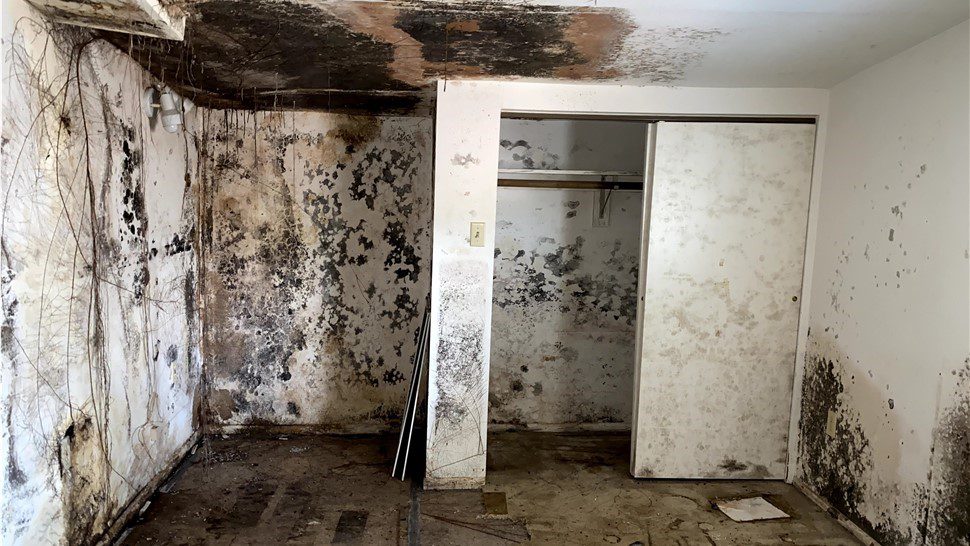
Why Mold Grows in Florida Homes – Lessons From Real Inspections for Homes in Oakland Park, Florida
If you live in Oakland Park, mold growth isn’t random—and it’s rarely about cleanliness. After real inspections inside Oakland Park homes, the pattern is consistent: Florida homes create the perfect environment for mold unless moisture is actively managed. The lessons below come straight from what inspectors actually find—not fear tactics, just repeatable causes and practical takeaways.
The Florida Mold Formula Inspectors See Every Day
Mold needs only three things:
- Moisture
- Food (drywall paper, wood, dust)
- Time
Florida provides warmth and humidity. Homes provide materials. When moisture lingers—even quietly—mold growth becomes predictable.
Lesson #1: High Indoor Humidity Is the Top Trigger
One of the most common Oakland Park inspection notes:
“There’s no leak, but the house feels damp.”
Indoor humidity above 60% can support mold growth without any visible water damage.
Early clues homeowners miss:
- Musty smells in closets or spare rooms
- Clothes or shoes feeling slightly damp
- Windows or vents sweating
- Rooms that never feel fully dry
Humidity doesn’t need to feel extreme—it just needs to stay high.
Lesson #2: AC Systems Create Moisture—Even When They Work
Air conditioning removes moisture only when drainage and airflow are right. In Oakland Park inspections, mold often starts inside:
- Air handler cabinets
- Evaporator coils
- Condensate drain pans
- Partially clogged drain lines
These areas stay cool and damp. When moisture doesn’t drain or dry properly, mold grows quietly inside the system—often before odors or stains appear.
Lesson #3: Small, Slow Leaks Cause Big Mold Problems
Floods get attention. Slow leaks don’t—and that’s why they cause so much mold.
Inspectors frequently find:
- Drips under sinks that never reach the floor
- Minor pipe leaks inside walls
- Toilet supply lines seeping slowly
- Shower plumbing leaking behind tile
Months of low-level moisture can feed hidden mold long before anything looks wrong.
Lesson #4: Bathrooms Are Mold Factories Without Ventilation
Bathrooms appear in nearly every Oakland Park mold inspection—but not always where you expect.
Common issues:
- Exhaust fans that are too weak
- Fans venting into attics instead of outdoors
- Fans rarely used during showers
- Moisture trapped behind tile and vanities
Ceiling spots are usually late-stage clues; moisture has often been present behind walls for a while.
Lesson #5: Mold Is Usually Hidden First
A frequent homeowner reaction during inspections:
“We had no idea it was back there.”
In Oakland Park homes, mold commonly hides:
- Behind baseboards
- Under kitchen and bathroom cabinets
- Behind bathroom vanities
- Along exterior walls after rain
- Inside closets with poor airflow
Homes can look spotless while mold grows quietly out of sight.
Lesson #6: HVAC Systems Help Mold Spread
Mold spreads by microscopic spores. When growth exists inside:
- Air handlers
- Evaporator coils
- Duct insulation
Spores circulate every time the AC runs. That’s why homeowners notice:
- Musty smells only when the AC turns on
- Odors that feel house-wide
- Allergies worse indoors
Once HVAC is involved, issues rarely stay localized.
Lesson #7: Bleach and DIY Cleaning Don’t Stop Growth
Many Oakland Park homeowners clean mold repeatedly before calling for help.
Inspection reality:
- Cleaning removes stains, not roots
- Bleach adds moisture to porous materials
- Hidden growth continues
- Mold returns in the same spot—or nearby
Recurring mold isn’t stubborn. Conditions never changed.
Lesson #8: Exterior Moisture Intrusion Is Often Overlooked
Heavy rain is common—and small gaps matter.
Inspectors frequently detect moisture:
- Around window frames
- At door thresholds
- Along exterior walls
- Behind baseboards after storms
Tiny entry points allow repeated wetting. Over time, that moisture adds up.
Why Mold Grows Faster in Oakland Park Homes
Oakland Park homes share conditions that favor mold:
- High outdoor humidity most of the year
- Long AC run times
- Slab construction that limits drying
- Tightly sealed homes that trap moisture
These factors mean moisture doesn’t escape easily.
What Actually Stops Mold Growth (From Real Inspections)
Homes that stop mold growth consistently:
- Keep indoor humidity below 60%
- Maintain AC drain lines and airflow
- Use bathroom exhaust fans properly
- Fix small leaks immediately
- Improve airflow in closets and enclosed rooms
- Investigate recurring odors early
Mold stops growing when moisture is controlled—not when stronger cleaners are used.
Warning Signs Oakland Park Homeowners Should Take Seriously
Based on inspections, don’t ignore:
- Musty smells that come and go
- Mold that keeps returning after cleaning
- AC smells when running
- Walls that feel cool or damp
- A home that always feels humid
- Allergy symptoms worse indoors
These are early indicators, not worst-case scenarios.
The Cost Lesson Inspectors See Repeatedly
The most expensive mold cases:
- Started small
- Were cleaned repeatedly
- Were ignored because they “didn’t seem serious”
Time—not mold type—is what drives cost.
Final Thoughts: Mold Growth Is Predictable in Florida Homes
From real inspections in Oakland Park, one truth stands out: mold growth follows moisture, airflow, and time. Florida homes naturally provide the conditions—unless homeowners actively manage them.
If your home smells damp, mold keeps returning, or indoor comfort drops, that’s not bad luck. It’s your home showing the same early signs inspectors see every day. Acting on them early is the simplest, least expensive way to keep mold manageable in Oakland Park homes.
