
Lessons From Real Inspections: Black Mold Insights for Homes in Pompano Beach, Florida
If you live in Pompano Beach, the phrase “black mold” can instantly cause stress. From real inspections inside local homes, one thing becomes clear very quickly: black mold isn’t rare, mysterious, or random—but it’s also not what most people think it is. The real problem almost always comes down to moisture, time, and misunderstanding what’s actually happening inside the home.
This article shares lessons pulled directly from real inspections in Pompano Beach, not internet myths or scare tactics—just what we actually see, why it happens, and what stops it from coming back.
Lesson #1: “Black Mold” Is a Description, Not a Diagnosis
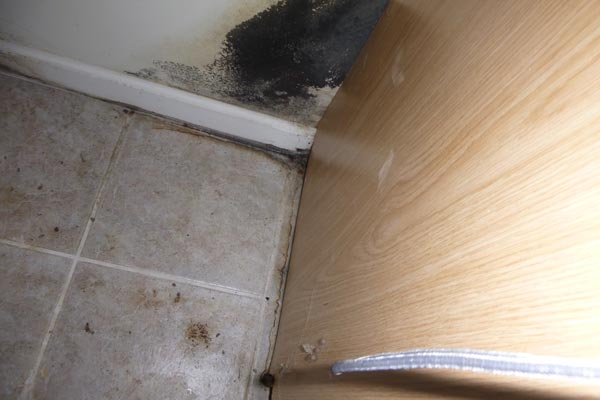
One of the first things inspections reveal is that black mold is usually just a visual description, not a confirmed species or danger level.
From real homes:
- Many harmless molds appear dark or black
- Color alone doesn’t indicate toxicity
- Growth behavior matters more than appearance
What inspectors focus on instead:
- Where the mold is growing
- Why moisture is present
- How long conditions have existed
The color grabs attention—but moisture tells the real story.
Lesson #2: Most Black Mold Is Found Where You Don’t Look
In Pompano Beach inspections, black mold is rarely discovered on open walls first. It’s most often found:
- Under kitchen and bathroom sinks
- Behind bathroom vanities and showers
- Behind baseboards along exterior walls
- Inside closets with poor airflow
- Inside AC air handlers and drain pans
These areas stay dark, damp, and poorly ventilated—perfect conditions for mold growth that goes unnoticed for months.
Lesson #3: Humidity Alone Can Trigger Black Mold Growth
A common homeowner response:
“There’s no leak—just humidity.”
Inspection data confirms that in Pompano Beach homes, humidity alone is often enough.
When indoor humidity stays above 60%:
- Mold can grow behind drywall and cabinets
- Odors begin before visible growth
- Materials absorb moisture and weaken
Many homes with black mold have no leaks at all—just persistent humidity that was never controlled.
Lesson #4: AC Systems Are a Frequent Black Mold Source
One of the most common inspection findings involves HVAC systems.
Black mold frequently shows up in:
- Air handler cabinets
- Evaporator coils
- Condensate drain pans
- Internally insulated or flex ducts
These components stay cool while surrounded by warm, humid air. When drainage or airflow is even slightly off, condensation feeds mold growth quietly inside the system.
This explains why homeowners often notice:
- Musty smells when the AC turns on
- Odors that feel house-wide
- Mold appearing in multiple rooms
Lesson #5: Bleach and DIY Cleaning Make Things Worse
One of the most consistent lessons from inspections:
“We cleaned it—but it keeps coming back.”
Why?
- Bleach removes surface staining only
- Mold roots stay embedded in porous materials
- The water content in bleach adds moisture
- Hidden mold continues growing out of sight
Repeated DIY cleaning often feeds regrowth instead of stopping it.
Lesson #6: Black Mold Is Usually Hidden Before It’s Visible
In many Pompano Beach inspections, homeowners never saw mold at all.
Instead, they noticed:
- Musty odors that wouldn’t go away
- Allergy symptoms worse indoors
- Damp or stale indoor air
- AC-related smells
By the time walls are opened, black mold has often been growing for weeks or months behind finished surfaces.
Lesson #7: HVAC Spread Turns Small Problems Into Big Ones
When black mold involves HVAC systems:
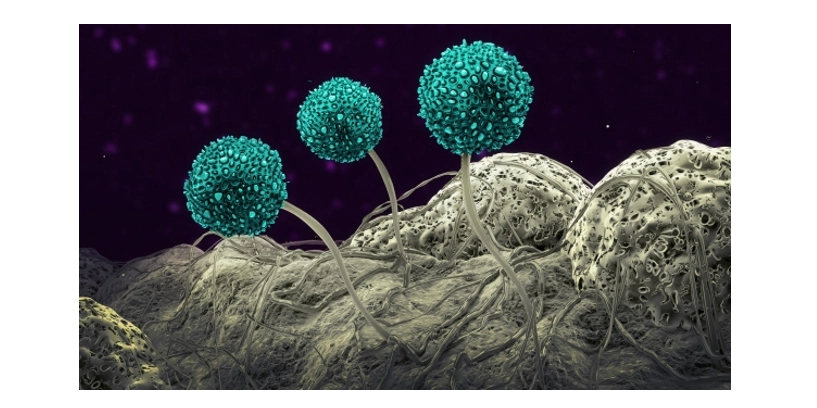
- Spores circulate every time the AC runs
- Mold appears in multiple areas
- Cleaning one location doesn’t help
This is why homeowners often say:
“It keeps showing up everywhere.”
The mold isn’t spreading on its own—the HVAC system is moving it.
Lesson #8: The Cost Grows With Time, Not Mold Type
The most expensive black mold cases in Pompano Beach:
- Started as small, hidden growth
- Were cleaned repeatedly
- Were ignored because they “didn’t seem serious”
Time allows mold to spread behind walls, into HVAC systems, and across more materials—expanding the scope and cost of remediation.
What Actually Stops Black Mold (From Real Inspections)
Homes that successfully stop black mold do a few key things:
- Control indoor humidity below 60%
- Fix condensation and drainage issues
- Address hidden moisture sources
- Remove contaminated porous materials when needed
- Evaluate HVAC systems honestly
- Improve airflow in enclosed spaces
Once moisture is controlled, black mold usually stops returning.
Warning Signs Pompano Beach Homeowners Should Act On
From inspections, don’t ignore:
- Musty smells that come and go
- Mold returning after cleaning
- AC smells musty when running
- A home that always feels humid
- Walls or baseboards that feel damp
- Allergy symptoms worse indoors
These are early signals—not worst-case scenarios.
Why Pompano Beach Homes See This So Often
Pompano Beach homes face:
- Coastal humidity
- Long AC run times
- Condensation from cooling moist air
- Slab construction limiting drying
- Tight building envelopes
These conditions mean mold problems don’t resolve on their own.
Final Thoughts: Real Lessons Lead to Real Solutions
From real inspections in Pompano Beach, one lesson stands out: black mold is rarely the real problem—moisture is. Mold simply reveals where moisture has been allowed to linger.
When homeowners stop focusing on scary labels and start addressing humidity, airflow, and hidden moisture early, black mold becomes manageable, contained, and far less disruptive. If something smells off or keeps coming back, that’s not fear—it’s useful information worth acting on early.
