
Health Effects of Long-Term Mold Exposure – What Most People Get Wrong for Homes in Oakland Park, Florida
If you live in Oakland Park, you’ve probably heard extreme claims about mold and health—everything from “it’s harmless” to “it’s toxic and dangerous.” Real inspections and real homeowners tell a much calmer, more useful story. Most health issues linked to long-term mold exposure come from misunderstanding how exposure actually works, not from sudden emergencies.
This article clears up what most people get wrong about long-term mold exposure, based on what inspectors consistently see inside Oakland Park homes—no fear tactics, just facts that help you make smart decisions.
What Most People Get Wrong #1: Mold Exposure Causes Immediate, Severe Illness
Reality: Most mold-related health effects are gradual, not dramatic.
In Oakland Park homes, long-term exposure usually leads to:
- Allergy-like symptoms
- Chronic sinus irritation
- Headaches indoors
- Fatigue that improves outside
- Asthma flare-ups in sensitive individuals
These symptoms build slowly as exposure continues—often dismissed as “seasonal allergies” or stress.
What Most People Get Wrong #2: You Have to See Mold to Be Affected
One of the biggest inspection surprises:
“We never saw mold anywhere.”
In many Oakland Park homes, mold affecting health is hidden, commonly found:
- Behind drywall or baseboards
- Under kitchen and bathroom cabinets
- Behind bathroom vanities
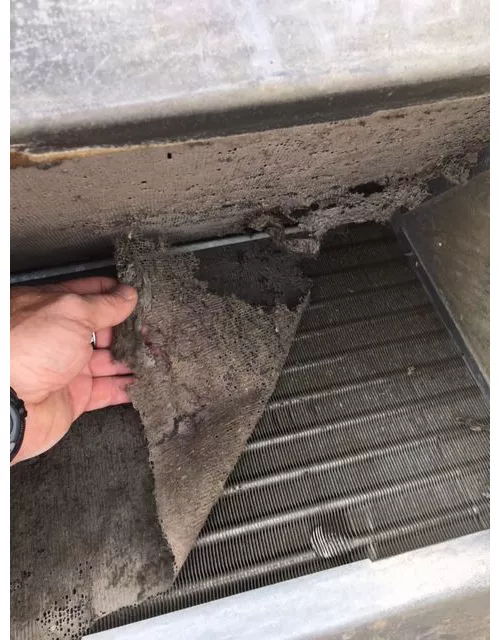
- Inside AC air handlers and drain pans
- Inside duct insulation
Airborne spores don’t need visible growth to affect indoor comfort.
What Most People Get Wrong #3: Black Mold Is the Only Health Risk
Reality: Health effects are about exposure and conditions, not color.
From inspections:
- Many non-black molds cause symptoms
- Color doesn’t indicate severity
- Duration of exposure matters more than mold type
Focusing only on “black mold” causes homeowners to miss other active growth affecting indoor air quality.
What Most People Get Wrong #4: Mold Exposure Means Toxic Poisoning
Long-term mold exposure in homes is not poisoning for most people. It’s typically:
- Repeated inhalation of spores
- Ongoing irritation of airways
- Chronic immune response in sensitive individuals
That’s why symptoms often:
- Worsen at home
- Improve outdoors or while traveling
- Fluctuate with AC use or humidity
It’s an environmental exposure issue—not a medical emergency.
What Most People Get Wrong #5: Health Effects Are the Same for Everyone
Mold exposure affects people differently.
From Oakland Park inspections, symptoms are more common in:
- Children
- Seniors
- People with asthma or allergies
- Anyone with compromised immune systems
Others in the same home may feel fine—which often delays investigation.
The HVAC Connection Most People Miss
Many long-term exposure cases involve HVAC systems.
When mold grows inside:
- Air handlers
- Evaporator coils
- Drain pans
- Duct insulation
Spores circulate every time the AC runs, creating consistent exposure—even if growth started small.
Common homeowner comments:
“Symptoms are worse when the AC is on.”
That’s a key exposure clue.
What Most People Get Wrong #6: Cleaning Mold Reduces Health Risk
Repeated cleaning doesn’t reduce exposure if the source remains.
Inspection reality:
- Cleaning removes visible staining
- Hidden mold continues releasing spores
- Bleach adds moisture to porous materials
- Exposure continues unchanged
If symptoms persist after cleaning, exposure likely never stopped.
Humidity Alone Can Create Health Issues
In Oakland Park homes, humidity above 60% can:
- Support mold growth without leaks
- Increase airborne allergens
- Make indoor air feel heavy and irritating
Many homeowners say:
“There’s no leak—just humidity.”
From inspections, that’s often enough to explain long-term exposure symptoms.
What Long-Term Exposure Looks Like in Real Homes
Inspectors often hear:
- “We’re always congested at home.”
- “Headaches go away when we leave.”
- “My allergies are worse indoors.”
- “The house smells musty sometimes.”
These patterns matter more than one-off symptoms.
What Actually Reduces Long-Term Health Risk
Homes that see health improvement do a few consistent things:
- Control indoor humidity below 60%
- Fix hidden moisture sources
- Address HVAC condensation and drainage
- Remove contaminated porous materials when needed
- Improve ventilation and airflow
Health complaints often improve after conditions change, not after stronger cleaners.
When Oakland Park Homeowners Should Take Symptoms Seriously
Consider further evaluation if:
- Symptoms worsen only at home
- Musty odors come and go
- Mold keeps returning after cleaning
- AC smells musty when running
- The house always feels damp
These are exposure patterns—not coincidences.
The Cost of Ignoring Long-Term Exposure
Inspection data shows delays lead to:
- Expanded mold growth
- HVAC involvement
- Larger remediation scope
- Longer exposure duration
Ignoring symptoms doesn’t make them go away—it often makes both health and repair costs worse.
Final Thoughts: Long-Term Mold Exposure Is About Conditions, Not Panic
In Oakland Park homes, long-term mold exposure rarely looks like a crisis—but it does quietly affect comfort and health when moisture is ignored. Most people get it wrong by waiting for something dramatic instead of paying attention to patterns.
If your home smells damp, symptoms improve when you leave, or mold keeps coming back, that’s not fear—it’s useful information. Acting early protects indoor air quality, health, and your home—without panic, and without unnecessary expense.
