
Indoor Air Quality Issues in Florida Homes – Lessons From Real Inspections for Homes in Plantation, Florida
If you live in Plantation, indoor air quality (IAQ) problems don’t usually announce themselves loudly. They show up as subtle patterns—musty smells that come and go, allergies that feel worse at home, or a house that never quite feels fresh. From real inspections inside Plantation homes, one thing is clear: IAQ issues here are predictable, moisture-driven, and very fixable when caught early.
Below are lessons pulled straight from real inspections, not fear tactics—just what actually affects indoor air in Plantation homes and what consistently improves it.
Lesson #1: Moisture Is the Root of Most IAQ Problems
Across inspections, the same conclusion repeats:
Indoor air quality declines when moisture lingers.
In Plantation homes, moisture most often comes from:
- Indoor humidity above 60%
- AC condensation that doesn’t drain properly
- Slow plumbing leaks
- Bathroom moisture without adequate ventilation
- Minor exterior water intrusion after rain
Control moisture, and IAQ usually improves without extreme measures.
Lesson #2: High Humidity Quietly Degrades Air Quality
Many Plantation homes run humid even when they feel cool.
Inspection data shows that sustained humidity:
- Helps mold grow without visible leaks
- Keeps odors lingering
- Increases dust mite activity
- Makes air feel heavy and stale
A common homeowner comment:
“The house just never feels dry.”
That feeling is often accurate—and it matters for IAQ.
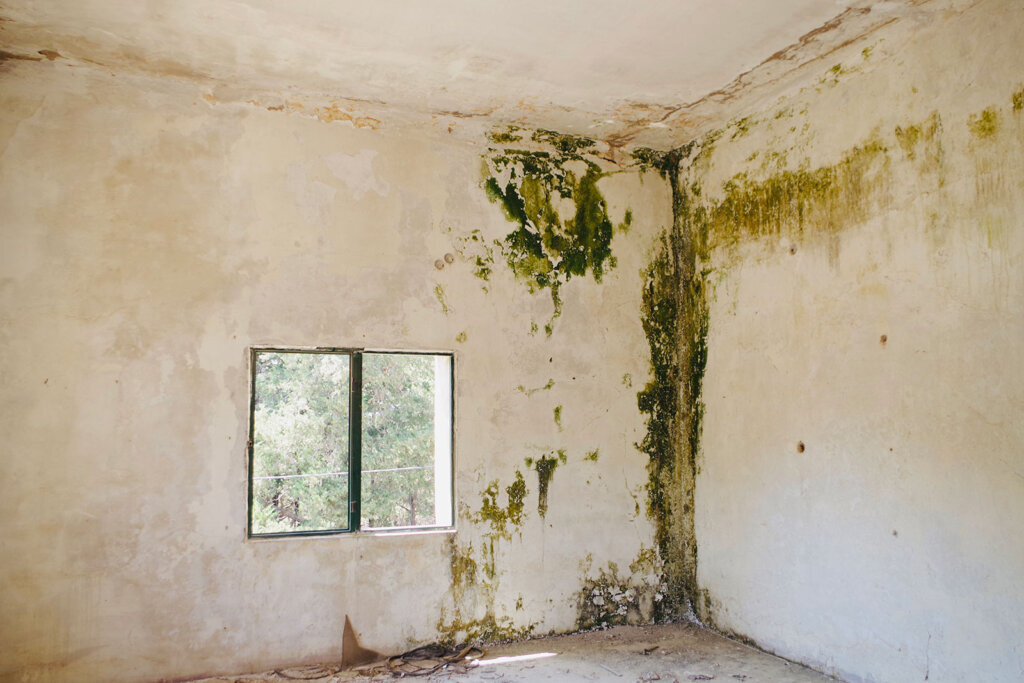
Lesson #3: Mold Affecting IAQ Is Usually Hidden
Visible mold is often a late clue. In Plantation inspections, growth affecting air quality is frequently found:
- Behind drywall and baseboards
- Under kitchen and bathroom cabinets
- Behind bathroom vanities
- Inside AC air handlers and drain pans
- In closets with poor airflow
This explains why homeowners experience symptoms or odors before they ever see mold.
Lesson #4: HVAC Systems Turn Local Issues Into House-Wide Ones
HVAC systems don’t create IAQ problems—but they can distribute them.
Common inspection findings in Plantation homes include:
- Moisture inside air handler cabinets
- Mold near evaporator coils
- Standing water in drain pans
- Condensation inside duct insulation
When this happens, homeowners notice:
- Musty odors when the AC runs
- Odors strongest near vents
- Symptoms that feel house-wide
That pattern points to moisture inside the system, not dirty air.
Lesson #5: Odors Are IAQ Data (Not Just Annoyances)
Inspection data strongly links persistent odors to IAQ issues.
Pay attention to:
- Musty or earthy smells
- Odors that appear with AC operation
- Smells worse after rain
- Odors localized to closets or spare rooms
Odors that come and go are still signals—they’re just intermittent ones.
Lesson #6: Health Complaints Often Follow IAQ Patterns
Inspectors don’t diagnose health conditions, but patterns repeat in Plantation homes:
- Allergy symptoms worse indoors
- Sinus pressure at home
- Headaches or fatigue indoors
- Asthma flare-ups during AC use
Many homeowners say:
“I feel better when I leave the house.”
That correlation often traces back to humidity, hidden mold, or HVAC moisture.
Lesson #7: Cleaning Alone Doesn’t Improve IAQ
Repeated cleaning can make a home look better without changing air quality.
Inspection reality:
- Cleaning removes surface dust or stains
- Hidden moisture and growth remain
- IAQ symptoms persist
Lasting improvement comes from changing conditions, not stronger cleaners.
Lesson #8: Small Moisture Issues Add Up Over Time
The IAQ issues inspectors see most often start small:
- Slow under-sink leaks
- Weak or unused bathroom exhaust fans
- AC drain lines that partially clog
- Minor window or door leaks after storms
Individually minor, together they steadily degrade indoor air.
What Actually Improves IAQ in Plantation Homes
Homes with better long-term IAQ outcomes consistently:
- Keep indoor humidity below 60%
- Maintain AC drain lines, coils, and airflow
- Use bathroom and kitchen exhaust fans
- Fix small leaks immediately
- Improve airflow in closets and enclosed rooms
- Investigate recurring odors early
These steps are practical—not extreme.
When Plantation Homeowners Should Look Deeper
Based on real inspections, consider further evaluation if:
- Musty smells persist or return
- Mold keeps reappearing after cleaning
- The home always feels humid
- AC smells change when running
- Indoor symptoms improve when you leave
These are early IAQ signals, not emergencies.
Cost Reality: Early Action Costs Less
Inspection data consistently shows:
- Early IAQ fixes are inexpensive
- Delays allow moisture to spread
- HVAC involvement raises scope and cost
- Ignoring signs leads to bigger repairs
Calm, early action protects both comfort and budget.
Final Thoughts: Lessons That Lead to Better Air
From real inspections in Plantation, the lesson is simple: indoor air quality issues are moisture-driven, gradual, and fixable. They don’t require panic or extreme solutions—just attention to humidity, airflow, and hidden moisture.
If your home smells musty, feels damp, or only feels uncomfortable indoors, that’s not overthinking. It’s your home showing the same early signs inspectors see every day—and acting on them early is the smartest move you can make.
