
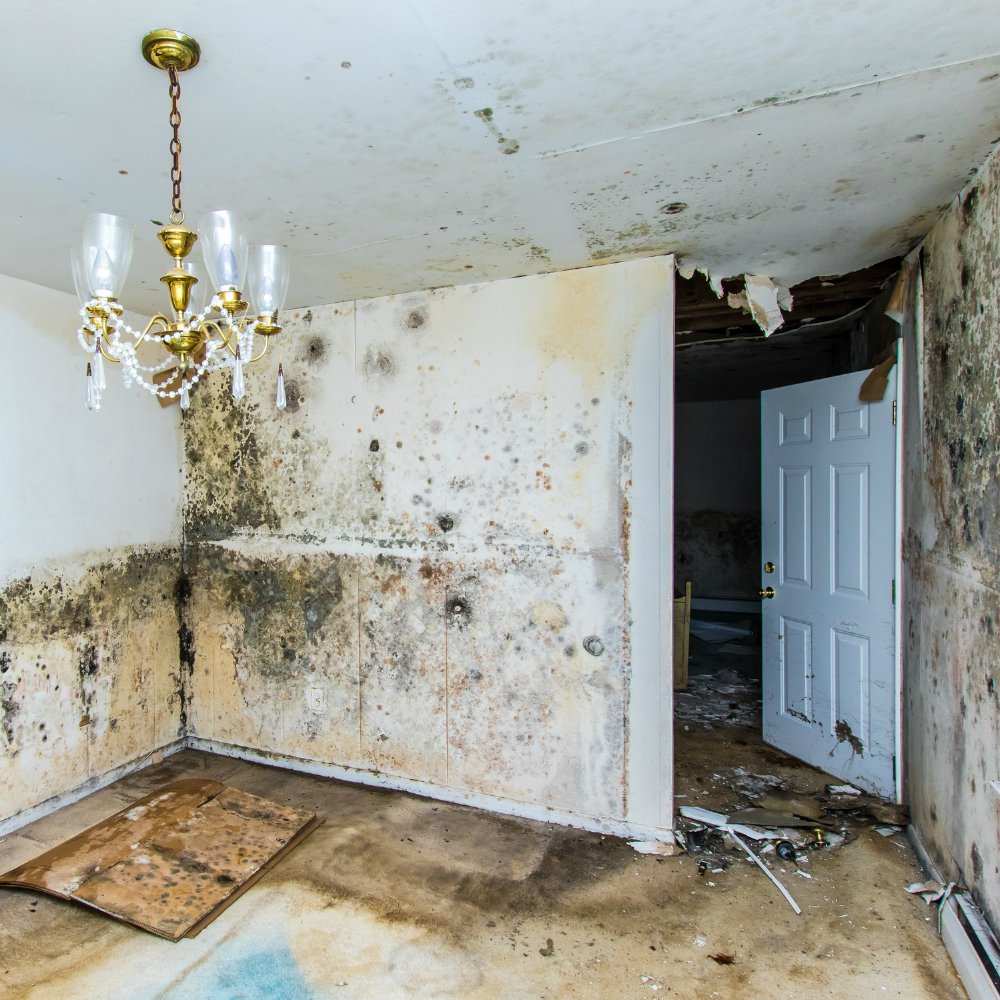
A Homeowner’s Guide: Black Mold Insights for Homes in Weston
If you live in Weston, the phrase black mold probably triggers instant concern—and for good reason. But black mold is also one of the most misunderstood issues homeowners face. Some people panic at the sight of a dark stain. Others dismiss it as “just mildew.” Both reactions can lead to expensive mistakes.
This guide breaks down what black mold actually is, why Weston homes are especially vulnerable, how it develops, what the real risks are, and—most importantly—what homeowners should do instead of guessing.
What “Black Mold” Really Means (And What It Doesn’t)
Let’s clear something up right away.
“Black mold” is not a single mold species.
The term is commonly used to describe dark-colored molds, including Stachybotrys chartarum, but many molds appear black, green-black, or dark brown depending on conditions.
Here’s what matters more than the color:
- Moisture source
- Location of growth
- How long it’s been active
- Whether it’s spreading through the air
Color alone doesn’t tell the whole story—and relying on it often leads homeowners in the wrong direction.
Why Weston Homes Are Prone to Black Mold
Weston homes are modern, energy-efficient, and well-sealed—which is great for comfort, but tricky for moisture.
Common Weston-specific risk factors include:
- High year-round humidity
- Heavy AC use with limited fresh-air exchange
- Attics with trapped heat and moisture
- Bathrooms with inadequate ventilation
- Roof or window leaks after storms
- Condensation inside walls and ductwork
Black mold thrives where moisture lingers, not necessarily where water is obvious.
Where Black Mold Is Commonly Found in Weston Homes
Most homeowners expect black mold in bathrooms. That’s only part of the picture.
Inspectors frequently find black mold in:
- Behind drywall near bathrooms or kitchens
- Under sinks and inside cabinets
- Attics near roof penetrations
- HVAC coils, drain pans, and ducts
- Closets on exterior walls
- Garages connected to living spaces
In many cases, the mold has been growing for months or years before it’s discovered.
The Biggest Myth: “If I Can See It, I Know the Extent”
This is where homeowners get burned—financially and emotionally.
Visible black mold is often:
- A symptom, not the source
- A small portion of a larger hidden colony
- Growing outward from moisture behind the surface
It’s extremely common for inspectors to find far more mold behind walls than what’s visible on the surface.
Black Mold and Indoor Air Quality
Even small black mold colonies can affect indoor air.
Why?
- Mold releases spores and fragments
- HVAC systems circulate air constantly
- Spores travel room to room
- Exposure becomes continuous, not occasional
In Weston homes with central AC running most of the year, black mold doesn’t stay localized—it becomes a whole-house air issue.
Health Symptoms Weston Homeowners Often Miss
Black mold exposure doesn’t usually cause dramatic, immediate illness. Instead, symptoms creep in slowly.
Common complaints include:
- Persistent congestion or sinus issues
- Chronic coughing or throat irritation
- Headaches or fatigue
- Worsening allergies or asthma
- Musty odors that never fully go away
Many homeowners treat symptoms for years without realizing the environment is the trigger.
Why Bleach and DIY Cleanup Usually Backfire
This is one of the most expensive homeowner mistakes.
Bleach and store-bought sprays:
- May remove surface staining
- Do not kill mold roots inside materials
- Can add moisture, making growth worse
- Do nothing to address hidden mold
Even worse, scrubbing mold can release spores into the air, spreading contamination to new areas.
DIY fixes often delay proper remediation—and allow mold to grow unchecked.
Moisture Is the Real Problem (Always)
Black mold doesn’t appear without moisture.
Common Weston moisture sources include:
- Slow plumbing leaks
- AC drain line backups
- Condensation from poor airflow
- Roof leaks after storms
- High indoor humidity above 55%
If moisture isn’t identified and corrected, black mold will return, no matter how thoroughly it’s cleaned.
Why Black Mold Often Appears “Out of Nowhere”
Homeowners frequently say:
“There was nothing there last month.”
In reality:
- Mold was already growing behind the surface
- Humidity finally reached a tipping point
- A small leak worsened
- Airflow changed
Mold growth isn’t sudden—it just becomes visible when conditions allow.
Mold Testing vs. Mold Removal (Know the Difference)
Another common misunderstanding.
Mold testing:
- Helps identify airborne mold levels
- Detects hidden activity
- Provides data for decision-making
Mold removal (remediation):
- Physically removes contaminated materials
- Controls spread with containment
- Fixes the underlying moisture problem
Testing informs. Removal fixes. One without the other often leads to repeat problems.
What Proper Black Mold Removal Involves
Professional remediation is a process, not a wipe-down.
Proper black mold removal typically includes:
- Identifying and fixing moisture sources
- Isolating affected areas with containment
- Removing contaminated materials safely
- Controlled drying and dehumidification
- Cleaning surrounding surfaces and air
- Verifying moisture levels are normal
Skipping steps saves time now—but costs more later.
Why Ignoring Black Mold Gets Expensive Fast
Early-stage black mold problems are usually localized.
Delayed problems often require:
- Extensive demolition
- Removal of drywall, insulation, and cabinetry
- HVAC system cleaning or replacement
- Longer labor time and higher costs
Same mold. Same house. Very different bill.
When Weston Homeowners Should Take Action Immediately
Don’t wait if you notice:
- Musty or earthy odors
- Visible black growth returning after cleaning
- Allergy symptoms worsening at home
- Water stains or bubbling paint
- Persistent humidity despite AC use
These are signs the problem is already established.
Prevention Tips for Weston Homes
You can’t eliminate mold spores—but you can control conditions.
Smart prevention includes:
- Keeping indoor humidity below 55%
- Servicing HVAC systems regularly
- Running bathroom exhaust fans longer
- Fixing leaks immediately
- Avoiding furniture tight against exterior walls
Prevention is always cheaper than remediation.
Final Thoughts: Black Mold Is a Moisture Problem, Not a Mystery
Black mold doesn’t appear because a home is dirty or neglected. It appears because moisture goes unmanaged in a warm, humid environment. Weston homes are beautiful, comfortable—and uniquely vulnerable to this combination.
The biggest mistake homeowners make isn’t finding black mold.
It’s guessing instead of understanding what’s actually happening.
When black mold is handled with proper inspection, moisture control, and targeted removal, it’s manageable. When it’s ignored, cleaned incorrectly, or underestimated—it gets expensive.
Knowledge replaces fear. And for Weston homeowners, that knowledge starts with understanding black mold for what it really is—and acting before it spreads.
