
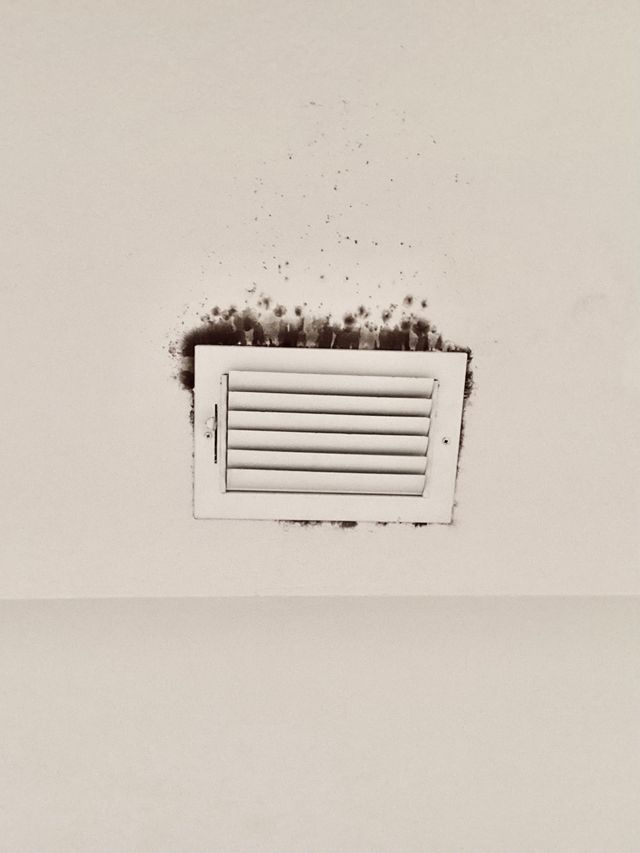
A Homeowner’s Guide: Hidden Mold Insights for Homes in Deerfield Beach
Hidden mold is frustrating because it doesn’t announce itself. No obvious black spots. No dramatic leaks. Just subtle signs that something isn’t right. After real inspections in homes throughout Deerfield Beach, one thing is consistent: when mold is hidden, it’s usually been there longer than homeowners realize.
This guide breaks down what hidden mold really looks like, where it hides, and what actually helps—without panic or exaggeration.
What “Hidden Mold” Really Means
Hidden mold isn’t rare mold. It’s mold growing where you don’t normally look.
That includes:
- Behind drywall and baseboards
- Inside walls affected by condensation
- Beneath sinks with slow leaks
- Inside HVAC air handlers or ductwork
- In closets with poor airflow
Just because you can’t see it doesn’t mean it isn’t affecting the home.
Why Deerfield Beach Homes Are Vulnerable
Hidden mold isn’t about poor housekeeping—it’s about conditions.
Inspections in Deerfield Beach frequently uncover:
- High indoor humidity year-round
- AC systems running almost nonstop
- Condensation inside walls and ceilings
- Minor plumbing leaks that never fully dry
None of these feel urgent on their own. Together, they quietly support mold growth.
Common Clues Homeowners Overlook
Hidden mold often gives off hints before it’s discovered.
Homeowners usually report:
- A musty or stale smell that comes and goes
- Mold that keeps returning after cleaning
- Allergy or asthma symptoms indoors
- Discoloration near baseboards or vents
These are often moisture warnings—not surface-level problems.
Where Inspectors Find Hidden Mold Most Often
During inspections, hidden mold shows up repeatedly in the same areas:
- Behind bathroom and kitchen walls
- Inside closets on exterior walls
- Under air handlers and drain pans
- Behind furniture blocking airflow
- Inside duct insulation
These spots trap moisture and stay undisturbed—perfect conditions for mold.
Why DIY Cleaning Doesn’t Solve Hidden Mold
DIY cleaning focuses on what’s visible. Hidden mold grows beyond reach.
Inspections show DIY efforts fall short because:
- Bleach doesn’t penetrate porous materials
- Scrubbing releases spores into the air
- Moisture sources remain active
- Growth continues behind walls or insulation
The surface may look better, but the problem keeps developing.
How Hidden Mold Affects the Home
Even when it’s not visible, hidden mold still matters.
From homeowner feedback after inspections:
- Indoor air quality often declines
- Odors linger despite cleaning
- Mold reappears in nearby areas
- Comfort inside the home decreases
Hidden mold impacts living conditions long before it becomes obvious.
What Actually Fixes Hidden Mold
Successful outcomes always involve more than cleaning.
Effective solutions focus on:
- Identifying and correcting moisture sources
- Containing affected areas properly
- Removing contaminated materials when necessary
- Controlling airborne spores
- Drying the environment thoroughly
Once moisture is handled correctly, hidden mold loses the conditions it needs.
When to Consider a Mold Inspection
Deerfield Beach homeowners usually schedule inspections when:
- Mold keeps returning
- There’s a musty smell without visible mold
- Water damage occurred months ago
- Allergies worsen only at home
- Buying or selling a property
These situations often point to hidden growth.
Final Takeaway for Homeowners
Hidden mold isn’t mysterious—and it isn’t sudden.
In Deerfield Beach homes, it grows quietly where moisture lingers and airflow is limited. The key isn’t fear or guesswork. It’s understanding moisture, knowing where to look, and addressing the cause—not just the symptoms.
When hidden mold is handled correctly, it stops being a recurring problem and becomes a solvable one.
