
A Homeowner’s Guide: Hidden Mold Insights for Homes in Tamarac
Hidden mold causes more frustration than visible mold ever does. Homeowners in Tamarac often say the same thing during inspections: “I don’t see any mold, so I don’t understand why this keeps happening.” That confusion makes sense. Hidden mold works quietly, stays out of sight, and creates problems long before it shows itself.
We inspect plenty of homes that look perfectly fine on the surface. Fresh paint. Clean floors. No obvious water damage. Behind walls, inside HVAC systems, and above ceilings, though, moisture tells a different story. This guide breaks down where hidden mold actually forms, why it’s so common in Tamarac homes, and what homeowners should realistically do about it.
Why Hidden Mold Is So Common in Tamarac Homes
Hidden mold thrives where moisture lingers and visibility disappears.
Tamarac Conditions That Matter
Homes in Tamarac deal with:
- High year-round humidity
- Heavy AC usage
- Tight construction that traps air
- Slow indoor drying
These conditions allow moisture to stay trapped inside materials. Mold doesn’t need attention or light. It just needs time.
Hidden Mold vs Visible Mold: The Key Difference
Visible mold gets addressed faster. Hidden mold gets ignored longer.
Why Hidden Mold Spreads Further
Hidden mold:
- Grows inside walls and ceilings
- Stays undisturbed
- Avoids routine cleaning
- Releases spores continuously
By the time it becomes visible, growth often extends well beyond the first spot homeowners notice.
The Most Common Places We Find Hidden Mold
Hidden mold follows moisture paths, not room labels.
Inside Walls
Walls hide moisture extremely well.
- Slow plumbing leaks
- Condensation
- High humidity
Drywall and insulation absorb moisture and dry slowly. Mold often grows inside wall cavities long before stains appear.
HVAC Systems: The Biggest Hidden Mold Source
This one surprises most homeowners.
Why HVAC Systems Harbor Hidden Mold
Inside HVAC systems, we frequently find mold:
- On evaporator coils
- Inside air handlers
- In drain pans
- Along duct insulation
Once mold grows inside the system, spores circulate through the entire home every time the AC runs. That’s how hidden mold creates whole-house symptoms.
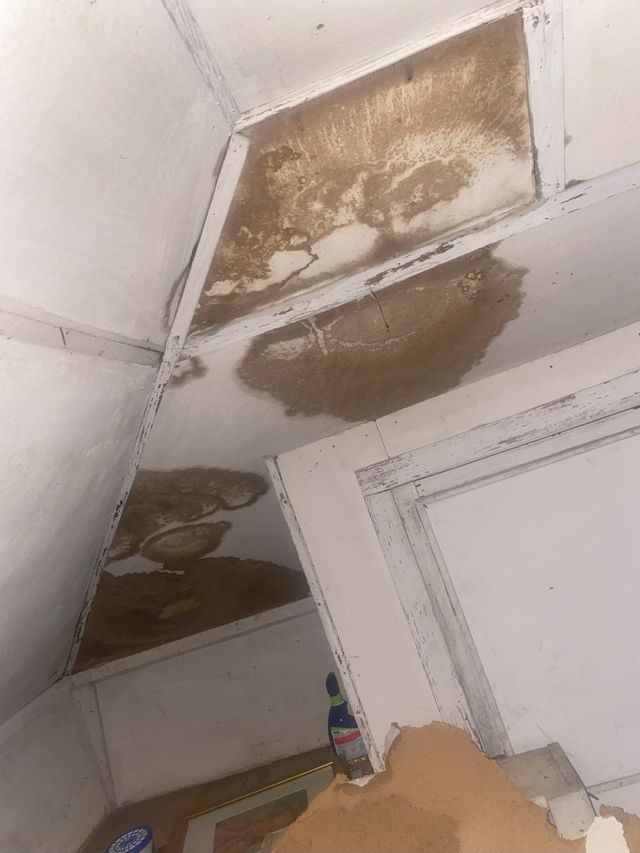
Attics: Out of Sight, Full of Moisture
Attics rarely get checked unless something leaks.
What We Commonly See in Tamarac Attics
During inspections, attics often show:
- Damp insulation
- Condensation on roof decking
- Mold near vents
- Rusted nails and fasteners
Warm, humid air rises and gets trapped. Over time, attic mold spreads downward into ceilings and walls.
Under Flooring and Cabinets
Floors hide moisture just as well as walls.
Where Moisture Builds Up
We often find hidden mold:
- Under tile or laminate
- Beneath bathroom vanities
- Inside kitchen cabinets
Minor leaks and condensation allow moisture to linger unnoticed. Mold follows quietly.
How Hidden Mold Affects Indoor Air Quality
Hidden mold doesn’t stay contained.
Why Symptoms Appear Before Mold Is Seen
Hidden mold releases spores into the air. Those spores:
- Stay airborne longer in humid air
- Travel through HVAC systems
- Trigger allergy and respiratory symptoms
Many homeowners feel symptoms before they ever see mold. That’s not coincidence. It’s exposure.
Common Signs Hidden Mold May Exist
Hidden mold leaves clues when you know what to watch for.
Signs Homeowners Often Miss
Pay attention to:
- Musty odors that come and go
- Allergy symptoms indoors
- Mold returning after cleaning
- Condensation on vents or walls
- Stains that slowly expand
One sign alone might mean nothing. Patterns usually mean hidden mold deserves investigation.
Why Hidden Mold Rarely Smells at First
Homeowners expect odor. Hidden mold doesn’t always deliver it.
Why Odor Isn’t Reliable
Many hidden mold cases:
- Produce no strong smell
- Stay sealed inside materials
- Release spores without odor
Waiting for smell delays action and allows mold to spread further.
Mold Inspection: How Hidden Mold Gets Found
You can’t fix what you can’t locate.
What Professional Mold Inspection Does
Proper inspection uses:
- Moisture meters
- Visual assessment
- HVAC evaluation
- Experience reading moisture patterns
Inspection identifies hidden mold before it becomes visible damage. That timing saves money and disruption.
Mold Testing: When It Helps With Hidden Mold
Testing isn’t always required, but it can add clarity.
When Mold Testing Makes Sense
Testing helps when:
- Symptoms exist without visible mold
- HVAC contamination seems likely
- Indoor air quality concerns persist
- Documentation matters
Testing confirms exposure. Inspection explains where it comes from.
Hidden Mold and Moisture: The Relationship That Matters
Mold survives because moisture allows it.
Common Moisture Sources in Tamarac Homes
Hidden mold often traces back to:
- AC condensation issues
- High indoor humidity
- Poor ventilation
- Slow plumbing leaks
Fixing mold without fixing moisture guarantees hidden regrowth.
Mold Removal vs Mold Remediation: Why Hidden Mold Changes the Rules
Hidden mold requires more than surface cleaning.
Why Mold Removal Alone Fails
Removing visible mold:
- Leaves hidden growth behind
- Doesn’t address moisture
- Allows spores to continue circulating
Mold Remediation Addresses Hidden Mold
Proper remediation includes:
- Containment to prevent spore spread
- HEPA air filtration
- Removal of contaminated materials
- Moisture correction
- Preventive treatments
Hidden mold only stops when conditions change.
DIY Attempts and Hidden Mold: A Costly Combination
DIY cleanup rarely reaches hidden areas.
Why DIY Often Makes Hidden Mold Worse
DIY efforts often:
- Spread spores
- Miss growth inside walls or HVAC
- Leave moisture untouched
We regularly inspect homes after repeated DIY cleaning attempts. By then, hidden mold spread further and remediation becomes more invasive.
Why Tamarac Homes Need Early Investigation
Local conditions accelerate hidden mold growth.
Tamarac-Specific Challenges
Homes here face:
- Persistent humidity
- Heavy AC usage
- Attics that trap moisture
- Slow drying inside materials
Hidden mold grows faster here than in drier climates. Waiting costs more.
How Hidden Mold Drives Up Repair Costs
Hidden mold rarely stays hidden forever.
What Happens When It Spreads
Left alone, hidden mold leads to:
- Drywall removal
- Insulation replacement
- HVAC remediation
- Structural repairs
Early detection keeps projects smaller and more affordable.
Practical Steps Homeowners Can Take Now
You don’t need panic. You need awareness.
Smart Prevention and Detection Steps
- Control indoor humidity
- Address condensation quickly
- Maintain HVAC systems
- Investigate recurring symptoms
- Schedule inspections early
Each step limits moisture. Less moisture means less hidden mold.
When Hidden Mold Should Be Addressed Immediately
Some situations deserve faster action.
Act Quickly When:
- Symptoms worsen indoors
- Mold returns after cleaning
- Moisture stays persistent
- HVAC systems show contamination
Waiting rarely improves outcomes.
Why Local Experience Matters With Hidden Mold
Florida mold behaves differently.
Local expertise matters because it accounts for:
- Regional humidity behavior
- Construction styles common in Tamarac
- Typical HVAC designs
- Attic moisture patterns
Generic advice often misses hidden risks unique to South Florida homes.
Final Thoughts: Hidden Mold Thrives on Being Ignored
Hidden mold doesn’t announce itself. It waits. For homeowners in Tamarac, understanding where mold hides and why it grows quietly changes everything.
Inspect early. Control moisture. Fix causes before mold spreads. Hidden mold becomes expensive only when it stays hidden too long. Catch it early, and solutions stay manageable, targeted, and far less disruptive.
