
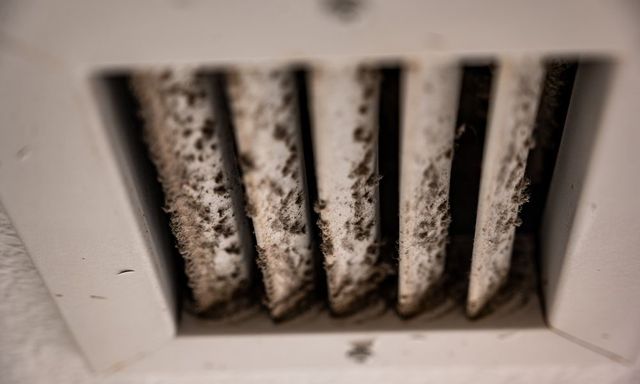
A Homeowner’s Guide: HVAC Mold Insights for Homes in Lauderhill
For homeowners in Lauderhill, HVAC systems are essential for comfort—but they’re also one of the most common sources of hidden mold problems in South Florida homes. Because air conditioning runs nearly year-round in Broward County, moisture buildup inside AC systems is not just possible—it’s expected. When that moisture isn’t properly managed, mold can quietly develop and spread through your home’s air.
This guide explains how HVAC-related mold forms, why Lauderhill homes are particularly vulnerable, and what homeowners should know to protect their property and indoor air quality.
Why HVAC Mold Is So Common in Lauderhill Homes
Lauderhill’s climate creates near-perfect conditions for mold growth:
- High humidity throughout the year
- Warm indoor temperatures
- Frequent AC use with limited system downtime
- Older homes with aging HVAC infrastructure
When warm, humid air meets cold AC components, condensation forms. Over time, that moisture can collect inside air handlers, ducts, and drain pans—creating an ideal environment for mold.
Where Mold Typically Grows Inside HVAC Systems
HVAC mold is rarely visible at first. It often develops in areas homeowners don’t regularly inspect, including:
- Evaporator coils, where condensation forms daily
- Drain pans and drain lines, especially if clogged
- Insulated ductwork, where moisture becomes trapped
- Air handlers and blower compartments
- Ceiling plenums above air handlers, common in Lauderhill homes
Because these areas are hidden, mold can spread long before any obvious signs appear.
How HVAC Mold Affects Indoor Air Quality
Once mold establishes itself inside an HVAC system, it doesn’t stay contained. Each time the system runs, air moves across contaminated surfaces and distributes spores throughout the home.
This can lead to:
- Persistent musty odors
- Increased dust-like residue on vents and surfaces
- Worsening allergy or asthma symptoms
- Eye, throat, and respiratory irritation
- Uneven or stale-smelling airflow
Even homes that appear clean can experience indoor air quality issues when HVAC mold is present.
Common HVAC Issues That Lead to Mold in Lauderhill
Based on inspections across Broward County, the most frequent HVAC-related mold triggers include:
- Clogged AC drain lines, causing water backup
- Improper system installation, leading to poor drainage
- Oversized AC units, which cool too quickly and fail to dehumidify properly
- Lack of regular maintenance, allowing moisture buildup
- Previous water damage near air handlers or ducts
These issues are especially common in older Lauderhill neighborhoods and rental properties.
Signs Your HVAC System May Have a Mold Problem
While mold is often hidden, certain warning signs should never be ignored:
- Musty or sour smells when the AC runs
- Mold-like staining near vents or ceiling returns
- Excessive humidity indoors despite AC use
- Visible buildup inside air handler cabinets
- Recurring respiratory symptoms at home
If these signs are present, the HVAC system should be evaluated as part of a professional mold inspection.
Why DIY Cleaning Is Rarely Enough
Many homeowners attempt to solve HVAC mold issues with filter changes, vent cleaning, or over-the-counter sprays. Unfortunately, these methods rarely address the root cause.
HVAC mold problems often persist because:
- Mold grows behind insulation and panels
- Moisture sources remain uncorrected
- Surface cleaning doesn’t reach internal components
- Spores continue circulating through ducts
Without identifying and resolving moisture conditions, mold is likely to return.
How Professional Mold Inspections Address HVAC Systems
A professional mold inspection focused on HVAC systems typically includes:
- Moisture readings near air handlers and ducts
- Visual inspection of internal components
- Evaluation of drain pans and drain lines
- Air sampling to assess indoor air quality
- Identification of hidden contamination sources
This process provides clear answers about whether HVAC mold is present and how far it may have spread.
Preventing HVAC Mold in Lauderhill Homes
Prevention starts with moisture control and proper system care. Homeowners can reduce risk by:
- Scheduling routine HVAC maintenance
- Keeping drain lines clean and unobstructed
- Using dehumidification when needed
- Addressing water leaks immediately
- Verifying proper airflow and system sizing
After any water damage or AC malfunction, a mold inspection can confirm that moisture hasn’t created a hidden problem.
Why HVAC Mold Is a Bigger Issue in South Florida Homes
Unlike colder climates where HVAC systems run seasonally, Lauderhill homes rely on AC almost constantly. That nonstop operation increases condensation exposure and accelerates mold growth when moisture isn’t managed correctly.
Because HVAC systems affect every room, mold problems tied to AC units tend to impact the entire home—not just one area.
Final Thoughts
For Lauderhill homeowners, HVAC mold is one of the most overlooked indoor air quality issues. It develops quietly, spreads efficiently, and often goes unnoticed until health symptoms or odors appear.
If your home has persistent humidity, musty smells, or concerns about indoor air quality, a professional mold inspection that includes the HVAC system can uncover hidden issues before they worsen. Addressing HVAC-related mold early protects your health, preserves your home, and ensures the air you breathe stays clean and safe.
