
A Homeowner’s Guide: HVAC Mold Insights for Homes in Lauderhill
HVAC mold rarely announces itself in obvious ways. It doesn’t knock, it doesn’t warn you, and it definitely doesn’t stay in one place. In Lauderhill homes, we see HVAC-related mold issues more often than most homeowners expect, and the frustrating part is how quietly they start. One day the house smells a little off. Another day allergies seem worse indoors. Before long, mold becomes part of the air you breathe.
This guide breaks down how HVAC mold forms, why Lauderhill homes face higher risk, and what real inspections consistently reveal. No scare tactics. Just clear, practical insight homeowners can actually use.
Why HVAC Systems Attract Mold So Easily
HVAC systems create an ideal environment for mold without trying. They move air, collect moisture, and stay hidden from daily view.
Inside HVAC systems, we often find:
- Condensation forming on coils
- Moisture collecting in drain pans
- Dark, enclosed spaces that stay damp
Mold doesn’t need a flood. It just needs moisture that doesn’t fully dry.
Lauderhill’s Climate Makes HVAC Mold More Likely
Humidity Changes Everything
Lauderhill homes deal with high humidity nearly year-round. HVAC systems work constantly to cool and dehumidify indoor air, and that nonstop operation creates condensation.
Contributing factors include:
- Warm outdoor air meeting cold HVAC surfaces
- Heavy AC use even in mild weather
- Humidity creeping back indoors quickly
When moisture lingers inside the system, mold settles in quietly.
How Mold Gets Into HVAC Systems in the First Place
Mold spores already exist in the air. They enter HVAC systems naturally and wait for the right conditions.
Mold establishes itself when:
- Condensation builds up repeatedly
- Drain lines clog or back up
- Filters restrict airflow and trap moisture
Once spores find moisture inside the system, growth begins without visible warning signs.
What Real Inspections Reveal Inside Lauderhill HVAC Systems
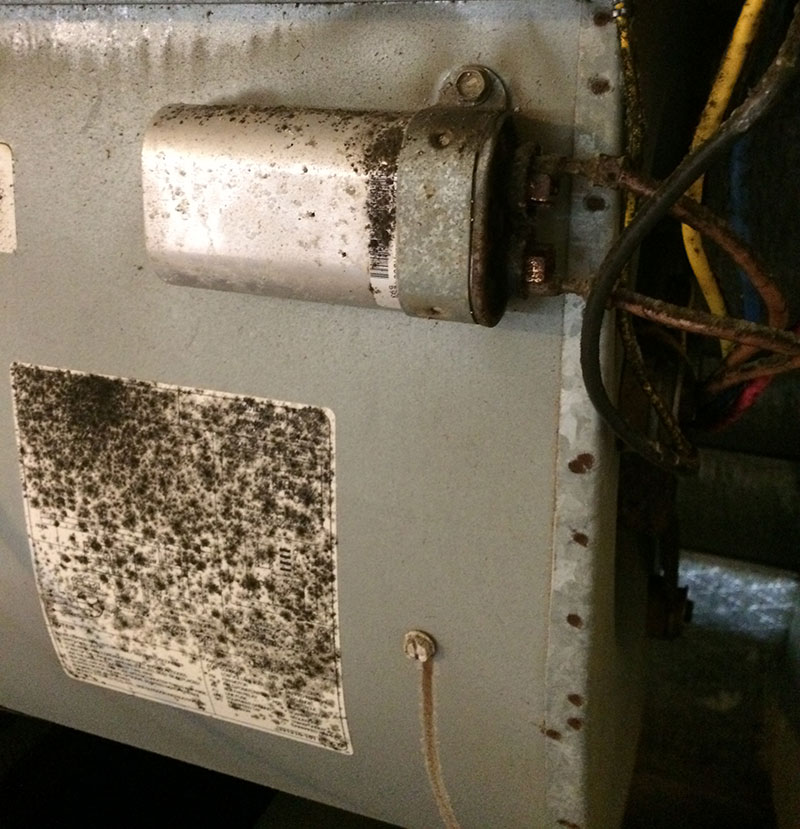
During inspections, HVAC mold rarely appears dramatic at first glance. It often blends in with dust and debris.
We commonly discover:
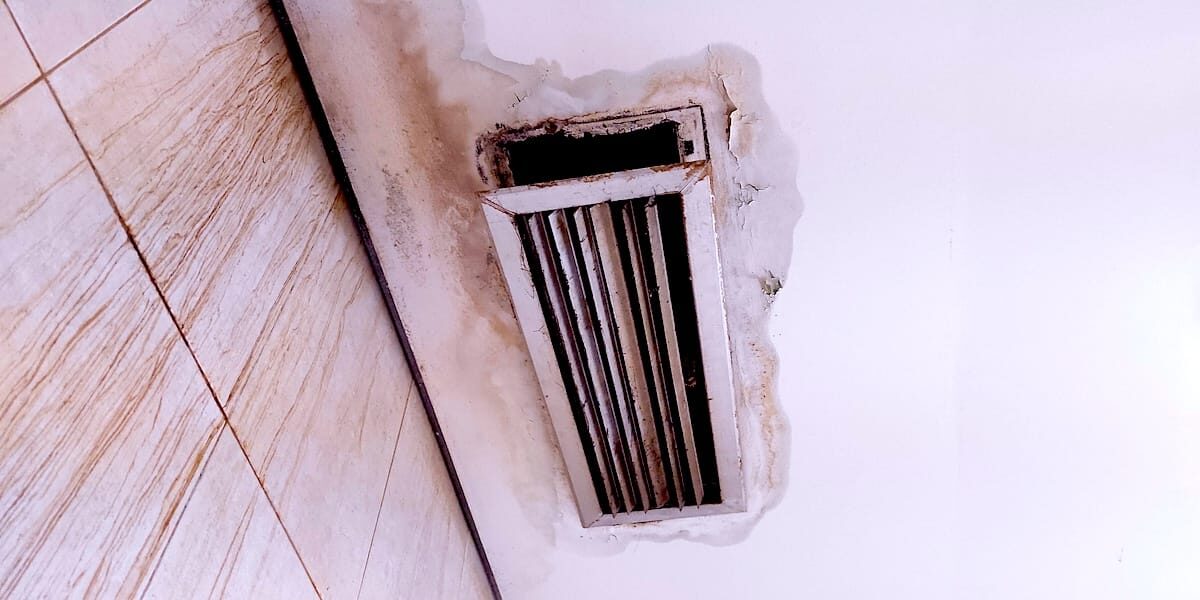
- Mold lining interior duct surfaces
- Growth near return vents pulling humid air inside
- Mold inside air handlers and blower compartments
Homeowners clean vents and change filters, but mold thrives deeper in the system.
HVAC Mold Turns Into a Whole-Home Problem
Airflow Does the Spreading
HVAC systems don’t just move air. They move whatever lives inside them. Once mold grows in ducts or air handlers, spores circulate through every room.
This often leads to:
- Mold appearing in multiple areas
- Musty smells when the AC runs
- Indoor air quality declining over time
Mold doesn’t stay confined to the HVAC system for long.
Why DIY Vent Cleaning Doesn’t Fix HVAC Mold
Many homeowners clean vent covers and feel relieved. The vents look better, but the problem continues.
DIY vent cleaning:
- Reaches only visible surfaces
- Leaves mold deep inside ducts untouched
- Ignores moisture and condensation issues
If the smell returns after cleaning, the mold never left.
Filters Help, But They Don’t Solve Mold Problems
Filters play an important role, but they don’t eliminate HVAC mold on their own.
Inspection findings show:
- Dirty filters restrict airflow
- Reduced airflow increases condensation
- Moist filters can support mold growth
Changing filters helps system performance, but mold inside ducts and air handlers requires more than maintenance.
Condensation Is the Root of Most HVAC Mold Issues
Moisture Control Matters More Than Cleaning
During inspections, condensation problems show up again and again as the root cause.
Condensation issues often stem from:
- Improper insulation
- Poor airflow balance
- Drainage problems
If condensation continues, mold always returns—even after cleaning.
How HVAC Mold Affects Indoor Air Quality
Before homeowners ever see mold, they often feel its effects.
Common complaints include:
- Allergy symptoms that worsen indoors
- Persistent musty odors
- Headaches or fatigue at home
These symptoms often improve when people leave the house, which points straight to air quality issues.
Why Lauderhill Homes See Repeat Mold Problems
Lauderhill homes share characteristics that allow HVAC mold to return if not handled correctly.
Risk factors include:
- Older duct systems in some neighborhoods
- Limited ventilation in certain layouts
- Constant AC use due to climate
Without addressing moisture and airflow, HVAC mold keeps coming back.
What Proper HVAC Mold Remediation Focuses On
Real remediation goes far beyond wiping surfaces. The goal is to stop mold at its source.
Effective remediation includes:
- Cleaning and treating contaminated HVAC components
- Correcting condensation and drainage issues
- Improving airflow and humidity control
- Preventing mold from re-establishing
When moisture gets controlled, mold loses its advantage.
Lessons From Real HVAC Mold Inspections
After countless inspections in Lauderhill homes, one lesson stands out clearly. HVAC systems often drive mold problems more than any other factor.
Mold doesn’t always start on walls. It often starts in the system that moves air throughout the home.
Preventing HVAC Mold Going Forward
Prevention relies on awareness and consistency, not guesswork.
Helpful steps include:
- Monitoring indoor humidity levels
- Addressing condensation issues quickly
- Ensuring proper airflow throughout the system
When homeowners understand how HVAC mold forms, prevention becomes much easier.
Final Thoughts: HVAC Mold Explains the Pattern
If mold keeps appearing despite cleaning efforts, the HVAC system deserves attention. Real inspections in Lauderhill homes show this pattern again and again.
HVAC mold spreads quietly, affects air quality, and causes repeat problems when left unchecked. Understanding how it works gives homeowners the upper hand.
The biggest takeaway is simple:
If mold keeps coming back, it’s often traveling through the air your HVAC system moves every day.
